Category:
NewsRevamping Bhutan's NDI for Real Utility
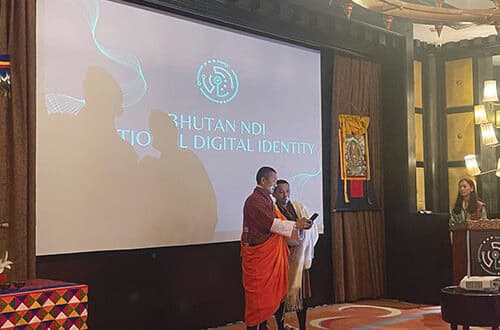
In recent years, Bhutan has embarked on an ambitious journey with the National Digital Identity (NDI) Act of 2023. This legislative framework promises a secure, interoperable, and service-oriented digital identity infrastructure. However, the promise of innovation and utility has yet to translate into the lived experiences of Bhutanese citizens. 🏔️✨
The Promise of Digital Transformation
The NDI Act aims to revolutionize how identities are managed, enabling digital credentials to be recognized internationally. This is a stride towards global interoperability 🌎, allowing Bhutanese citizens to have their digital identities trusted beyond their borders. Yet, domestically, the gap between the potential of the Act and its practical application remains significant.
Current Challenges in Implementation
Despite the legislative advancements, Bhutanese citizens still face bureaucratic hurdles. For instance, opening a bank account or obtaining a business license often requires physical copies of Citizenship Identity Cards (CID). This reliance on paper documentation contradicts the very essence of a digital identity system. 🔄📄
Moreover, the process to obtain documents like a marriage certificate illustrates the inefficiencies. Applicants must go through multiple steps, duplicating efforts by submitting both digital and hard copies. This redundancy results in a cumbersome experience rather than the streamlined service the NDI promises.
The Need for Integration and Simplification
The current scenario highlights a critical issue: the digital infrastructure exists, but its utility is not realized. To address this, Bhutan's government must ensure that the NDI is integrated into public and private sector services effectively.
- Unified Banking Platforms: The banking sector, with only a few banks, should consolidate apps and login credentials. A single platform utilizing NDI-backed verification can enhance security and user experience.
- Digital Once Rule: A credential issued digitally should not require re-submission in paper form. This policy can reduce bureaucracy and enhance service delivery.
Overcoming Double Bureaucracy
A significant barrier to NDI's success is the "double bureaucracy." Citizens logging in through NDI often encounter legacy systems that require additional logins, nullifying the ease intended by digital transformation. This dual system not only frustrates users but also undermines the credibility of the digital identity framework.
The government should audit agencies for unnecessary duplication and enforce a "digital first" approach. This means prioritizing digital credentials and signatures, which are legally recognized, over traditional methods.
Moving Towards Real Utility
The ultimate measure of the NDI's success lies in its ability to simplify everyday tasks for Bhutanese citizens. Whether traveling, banking, or conducting business, the NDI should eliminate the need for physical documents. This shift from merely winning international awards to providing tangible benefits is crucial for the NDI's credibility and effectiveness at home.
The Road Ahead for Bhutan
To truly harness the potential of the NDI, Bhutan must take decisive steps:
- Enforce NDI Acceptance: Ensure all public services adopt NDI, reducing reliance on physical documents.
- Enhance Public Awareness: Educate citizens on the benefits and usage of digital identities.
- Strengthen Cybersecurity: Protect digital identities from potential cyber threats.
In conclusion, Bhutan's journey towards a robust digital identity infrastructure is a commendable initiative. However, the focus must shift from accolades to real-world application. By doing so, Bhutan can set a benchmark for digital transformation in the region, ensuring that its citizens reap the full benefits of technological advancements. 🌟📈
Bhutan's NDI holds the promise of a seamless, efficient future. Yet, its success depends on bridging the gap between potential and practical utility. With strategic implementation and a focus on user experience, Bhutan can transition from a paper-reliant system to a truly digital society.
You May Also Like

News
Drukair Employee Arrested in Major Cannabis Smuggling Investigation
October 23, 2026

News
Gelephu Prepares for 40,300 Vehicles Ahead of Project 108
October 21, 2026
News
Third Child Plus Programme Disburses Nu 186M to 6,510 Children
October 21, 2026

News
German-Bhutan Society Backs Gelephu Mindfulness City
October 21, 2026