Category:
CultureProtecting Kishuthara: A Cultural Legacy
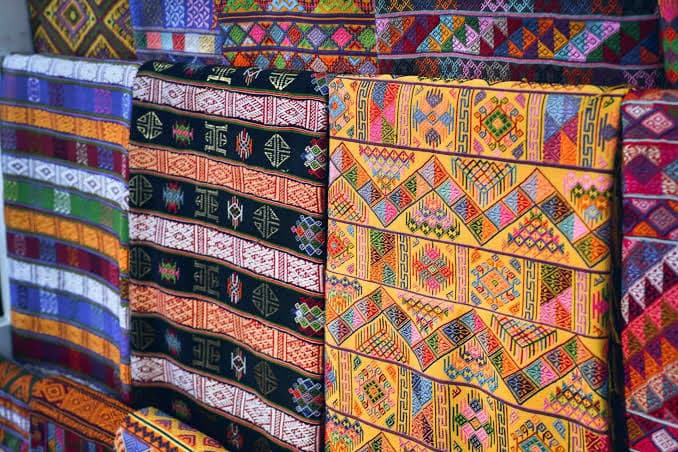
In the heart of Bhutan, the handwoven textile known as Kishuthara stands as a symbol of cultural heritage and artisanship. Originating from the Lhuentse region, particularly the village of Khoma, this intricate silk fabric is more than just a commodity; it represents the confluence of geography, skill, tradition, and time-honored techniques. 🌺✨
The Cultural Significance of Kishuthara
Kishuthara is woven into the very fabric of Bhutanese identity. For generations, it has been a source of livelihood for many women in Khoma, where weaving skills are passed down as a cherished inheritance. Each piece of Kishuthara can take several months, even up to a year, to create, reflecting the meticulous craftsmanship involved. This dedication is why the textile commands respect and a high market value. 🎨👗
The Threat of Imitation
As global markets expand, the authenticity of Kishuthara faces challenges from machine-made imitations, particularly those produced in India under misleading Bhutanese names. Such practices not only infringe on Bhutan’s textile heritage but also deceive consumers and undermine the economic value of genuine Kishuthara. 🛑🚫
Geographical Indication: A Shield for Tradition
Geographical Indication (GI) laws offer a robust framework to protect products like Kishuthara, whose qualities and reputation are inherently linked to their place of origin. Unlike other forms of intellectual property protection, GI laws focus on safeguarding the geographical identity and production methods of cultural goods. For Kishuthara, this means ensuring that its authenticity is recognized and protected internationally. 📜🔒
Legal Pathways and Cross-Border Enforcement
India’s Geographical Indications of Goods Act, 1999, provides a pathway for protecting products like Kishuthara against unauthorized use and imitation. By securing GI protection within India, Bhutan can initiate legal actions against machine-made imitators, turning cultural appropriation into a legal recourse. This cross-border enforcement is crucial for preserving the integrity of Kishuthara beyond Bhutan’s borders. 🌏⚖️
The Road Ahead: Strengthening Protections
While Bhutan has taken the initial steps by recognizing the importance of GI protection, the journey does not end here. Effective cross-border enforcement is essential to protect weavers’ rights and ensure the survival of this cultural legacy. GI law must evolve from being a ceremonial label to an active tool for intellectual property enforcement, safeguarding the livelihoods of the artisans who keep this tradition alive. 🔄🛡️
Conclusion: A Call to Action
The preservation of Kishuthara is not just about protecting a product; it is about honoring the cultural and economic contributions of the artisans who weave these textiles. By strengthening legal protections and pursuing cross-border enforcement, Bhutan can ensure that Kishuthara remains a vibrant part of its cultural tapestry, cherished and respected for generations to come. 🌟🔗
As we look forward, let us champion the cause of Kishuthara, advocating for the rights of weavers and the preservation of cultural heritage in a globalized world. This is not just Bhutan's story; it is a narrative of resilience and pride that echoes beyond its borders.
You May Also Like

Culture
Sacred Heart of 108 Chortens: Bhutan's Spiritual Masterpiece
August 26, 2026
Culture
When Colour Drains From the Scene: Spiritual Gatherings in Bhutan
August 15, 2026
Culture
The Vanishing Trade of Drukor: Bhutan's Fading Cultural Exchange
August 15, 2026
Culture
Yojay: Ancient Buddhist Prayer Practice Goes Global
August 12, 2026