Category:
CultureObtsho Dzong Ruins: Bhutan's Major Conservation Project
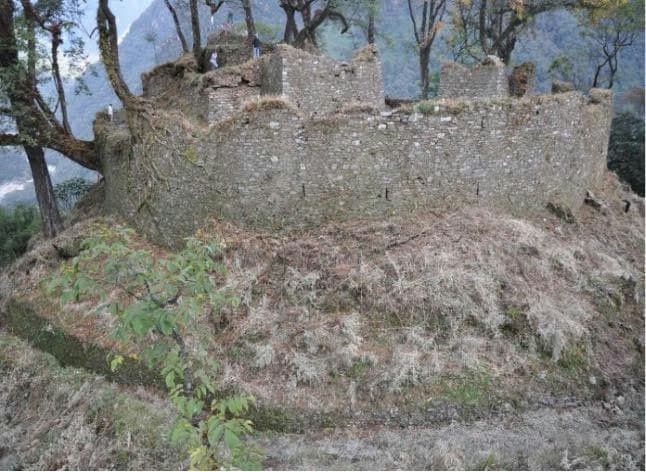
Preserving Centuries of Bhutanese Heritage 🏛️
Nestled in the remote mountains of Gasa, one of Bhutan's most significant yet forgotten historical treasures is about to receive the attention it deserves. The Obtsho Dzong ruins, dating back over nine centuries, are poised for a transformative conservation initiative that will protect this irreplaceable archaeological monument while maintaining its authentic character. This ambitious undertaking represents a critical moment in Bhutan's evolving approach to heritage preservation and cultural stewardship.
The Department of Culture and Dzongkha Development (DCDD), operating under the Ministry of Home Affairs, has initiated comprehensive planning for what promises to be one of the nation's most significant archaeological conservation projects. Unlike typical restoration efforts that aim to recreate original structures, this initiative takes a distinctly different approach—focusing on stabilization, protection, and authentic preservation rather than reconstruction.
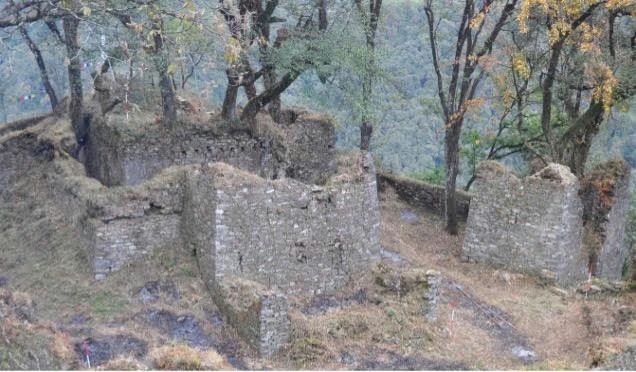
Understanding Obtsho Dzong's Historical Significance ✨
The story of Obtsho Dzong stretches back to the early 12th century AD, when Drupthob Terkhungpa established what would become one of Bhutan's oldest fortified religious settlements. This temporal positioning makes Obtsho Dzong exceptionally rare—it predates the arrival of Zhabdrung Ngawang Namgyal in the 17th century by several centuries, placing it among the nation's most ancient architectural remains.
The Obtsho Choeje lineage, one of Bhutan's most venerable religious traditions, called this fortress home for generations. The historical significance deepened during the 17th century when the Obtsho Lama, a direct descendant of the founding lineage, played a pivotal role in inviting Zhabdrung Ngawang Namgyal to Bhutan—an event that fundamentally shaped the nation's political and spiritual trajectory.
This connection to Bhutan's formative period makes Obtsho Dzong an invaluable window into the country's pre-modern history. While most existing dzongs in Bhutan were constructed during or after the Zhabdrung era, Obtsho Dzong stands as a rare surviving testament to an earlier epoch of Bhutanese civilization.
The Challenges of Remote Archaeological Preservation 🚶
Located beneath Khatoed Gewog in the Gasa district, Obtsho Dzong sits perched on a hillside facing its successor, the present-day Gasa Dzong. The journey to reach these ruins is no casual walk—visitors must trek approximately one hour from the nearest accessible road point, navigating terrain that has remained largely untouched for centuries.
The remote location has paradoxically become both a curse and a blessing. While accessibility challenges have deterred casual visitors and potential looters, they have also prevented systematic documentation and protection efforts. Over decades of abandonment, traditional footpaths became overgrown, buried beneath vegetation and accumulated soil, making the site increasingly isolated from the communities it once served.
Rediscovering Lost Access Routes
Addressing this isolation forms a cornerstone of the conservation strategy. The DCDD, working collaboratively with Gasa Dzongkhag Administration and local community members, has already commenced clearing and restoring historical access trails. The comprehensive project will:
- Identify and establish safe, well-maintained pathways
- Install directional signage and informational markers
- Construct resting shelters along the trekking route
- Develop basic visitor facilities including restrooms and water supply stations
- Create interpretive display panels explaining the site's historical context
These improvements aim to balance accessibility with preservation, ensuring that future visitors can experience the site responsibly while protecting its archaeological integrity.
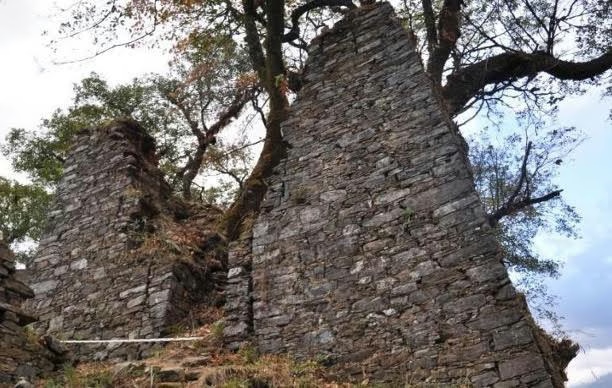
The Conservation Approach: Stabilization Over Reconstruction 🔧
A fundamental principle guides this conservation initiative: Obtsho Dzong will not be rebuilt or restored to its original form. Instead, the focus remains squarely on stabilizing surviving structures and protecting remaining archaeological materials while preserving the site's historical authenticity.
This philosophy represents a mature understanding of archaeological conservation. Rather than imposing modern interpretations or reconstructions that might compromise historical accuracy, the DCDD prioritizes the stabilization of existing remains. This approach acknowledges that the ruins themselves—in their current weathered state—constitute irreplaceable historical documents.
The project timeline extends across at least two years of intensive structural work. While final budgeting awaits completion of detailed conservation planning, funding will primarily support:
- Structural consolidation of remaining architectural elements
- Archaeological documentation and scientific study
- Protective measures against further deterioration
- Basic visitor infrastructure for sustainable access
- Long-term maintenance systems and monitoring protocols
Learning from Success: The Drapham Dzong Model 📚
Bhutan's approach to archaeological preservation has evolved significantly in recent years. The successful conservation of Drapham Dzong ruins in Bumthang provides a compelling template that now informs the Obtsho Dzong initiative. Drapham Dzong's transformation into an archaeological heritage destination demonstrates how thoughtful conservation can simultaneously protect historical integrity while creating meaningful community engagement and sustainable economic opportunities.
The Gasa Dzongkhag Administration and Ministry of Home Affairs are deliberately adopting this proven framework for Obtsho Dzong. This evidence-based approach reduces uncertainty and builds upon demonstrated success, suggesting that the current project will benefit from lessons learned during Drapham's conservation.
Beyond Obtsho Dzong, the DCDD envisions replicating this conservation methodology across other significant archaeological sites throughout Bhutan. The Zhongar Dzong ruins in Mongar represent another candidate for similar treatment, indicating that systematic archaeological preservation is becoming institutionalized within Bhutan's cultural policy framework.
Balancing Heritage Conservation with Community Benefits 🤝
A nuanced tension underlies this conservation project—how to protect sacred, historically significant sites while simultaneously creating legitimate economic opportunities for local communities. The DCDD has thoughtfully addressed this balance through a management philosophy that prioritizes heritage conservation as the primary objective, with cultural tourism as a secondary benefit rather than the driving motivation.
Visitor access will be carefully managed through:
- Designated pathways that direct foot traffic appropriately
- Boundary demarcations protecting sensitive archaeological zones
- Interpretive materials educating visitors about historical significance
- Conduct guidelines ensuring respectful site engagement
- Restricted access to sacred areas and fragile structures
This structured approach protects the site's integrity while enabling responsible public engagement.
Economic Opportunities for Local Stakeholders 💼
Developing Obtsho Dzong as an archaeological heritage destination is anticipated to generate meaningful economic participation for local residents. Potential opportunities include:
- Site protection and maintenance employment
- Cultural guiding services for visiting researchers and tourists
- Sustainable tourism revenue streams
- Community caretaker positions for long-term management
- Skills development in heritage preservation and hospitality
This economic dimension provides incentive for community investment in the site's protection, creating aligned interests between conservation goals and local prosperity.
Long-Term Sustainability and Management 🎯
Recognizing that physical conservation work represents merely the first phase of a longer commitment, the DCDD plans to establish comprehensive long-term management frameworks following completion of structural works. Management responsibilities will transfer to Gasa Dzongkhag Administration, supported by trained local community caretakers—a model successfully implemented at Drapham Dzong.
This decentralized management approach acknowledges that sustainable heritage preservation depends on local stewardship and continuous monitoring. Rather than relying on distant government agencies, community-based management creates accountability, cultural ownership, and practical responsiveness to site conditions.
Bhutan's Evolving Archaeological Infrastructure 🏗️
Systematic identification, documentation, and protection of archaeological sites represent relatively recent developments within Bhutan's institutional framework. Historically, many significant sites suffered from neglect simply because formal preservation mechanisms did not exist. The current initiative reflects a fundamental shift in how Bhutan approaches its pre-modern heritage.
The exact circumstances surrounding Obtsho Dzong's original abandonment remain somewhat mysterious due to limited historical records. However, scholarly consensus suggests that after the administrative seat relocated to the present Gasa Dzong, the older structure gradually fell into disrepair. Centuries of abandonment allowed vegetation to reclaim the site and traditional knowledge about access routes to disappear.
Paradoxically, this long isolation protected the ruins. Much archaeological material remained naturally preserved underground, sheltered from disturbance and weathering. The site's remoteness became an unintentional conservation mechanism, preserving materials that might otherwise have been lost to looting or environmental degradation.
Looking Forward: A Model for National Heritage Preservation 🌟
The Obtsho Dzong conservation project transcends a single site's preservation. It represents Bhutan's commitment to systematically documenting, protecting, and interpreting its archaeological heritage. As the nation develops increasingly sophisticated approaches to heritage management, initiatives like this establish precedents and best practices that will guide future conservation efforts.
The project demonstrates sophisticated understanding that authentic preservation requires balancing multiple objectives: protecting historical integrity, enabling scholarly research, creating community benefits, maintaining cultural sacredness, and ensuring long-term sustainability. This multifaceted approach reflects international conservation best practices while remaining grounded in Bhutanese cultural values.
Conclusion: Reclaiming Forgotten History 🎊
The centuries-old Obtsho Dzong ruins represent far more than architectural remnants—they embody pivotal chapters in Bhutan's spiritual and political evolution. The impending conservation initiative promises to reclaim this forgotten historical treasure, ensuring that future generations can engage with authentic archaeological evidence of their nation's ancient past.
Through thoughtful stabilization, community engagement, and sustainable management, Bhutan is demonstrating that archaeological preservation need not choose between protection and accessibility, between heritage authenticity and community benefit. The Obtsho Dzong project exemplifies a mature, nuanced approach to cultural stewardship that honors the past while creating meaningful present-day value.
As this ambitious undertaking unfolds over the coming years, it will undoubtedly contribute valuable insights to Bhutan's broader heritage preservation agenda. The success or challenges encountered will inform how the nation approaches similar conservation projects at sites like Zhongar Dzong and beyond, potentially establishing a national model for archaeological heritage management that balances authenticity, accessibility, and community prosperity.
You May Also Like
Culture
Sacred Heart of 108 Chortens: Bhutan's Spiritual Masterpiece
August 26, 2026
Culture
When Colour Drains From the Scene: Spiritual Gatherings in Bhutan
August 15, 2026
Culture
The Vanishing Trade of Drukor: Bhutan's Fading Cultural Exchange
August 15, 2026
Culture
Yojay: Ancient Buddhist Prayer Practice Goes Global
August 12, 2026