Category:
PoliticsBeyond the Egg Shortage: Addressing Bhutan's Core Economic Challenges
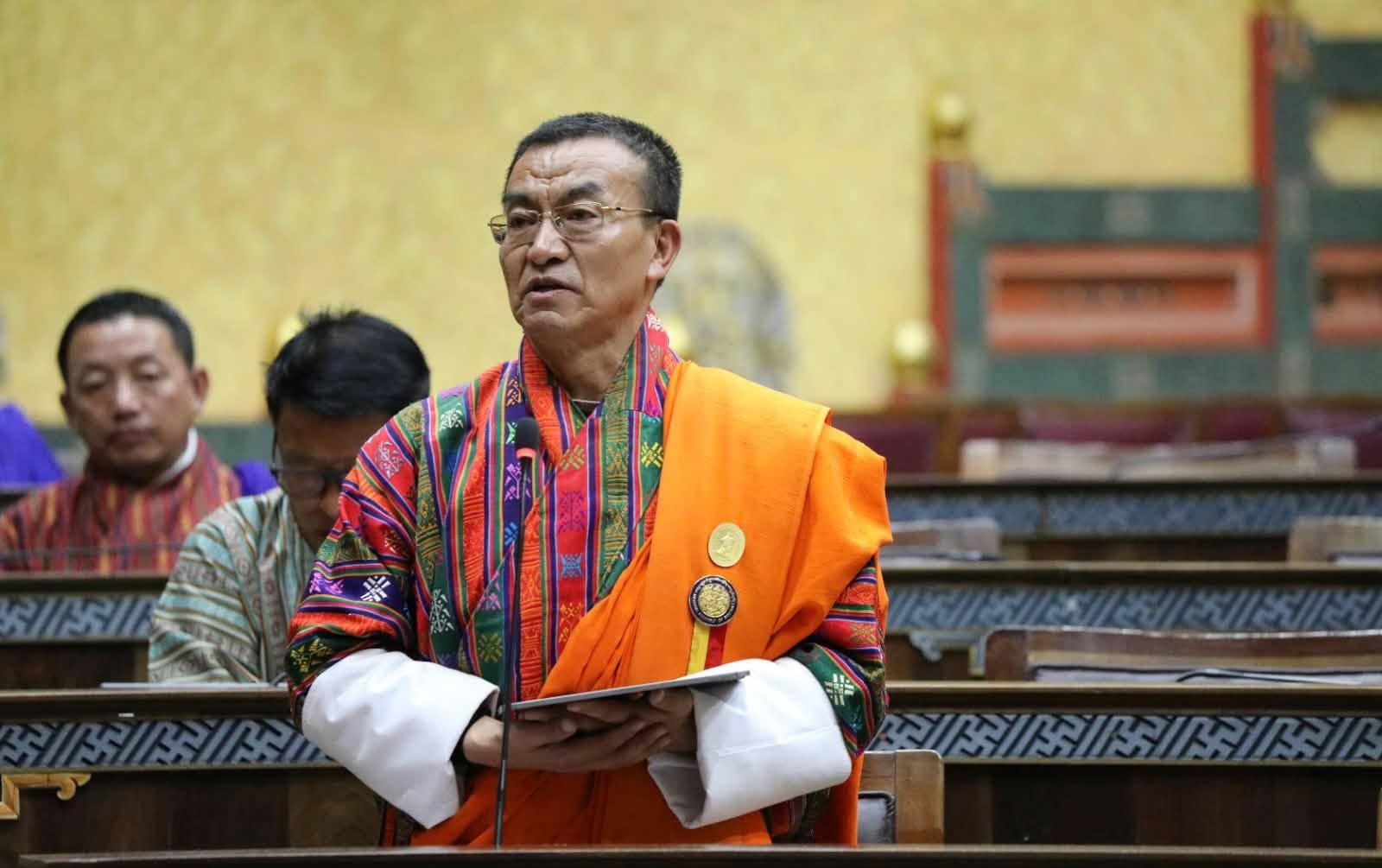
When parliamentary sessions turn their attention to commodity shortages and price fluctuations, it often signals something deeper stirring beneath the surface of national discourse. 🎯 The recent parliamentary debate surrounding egg availability and rising prices in Bhutan has inadvertently opened a crucial conversation about what truly matters for the nation's long-term prosperity and stability.
While ensuring affordable access to essential food items certainly warrants legislative attention, this moment presents an invaluable opportunity to examine the interconnected socio-economic challenges that threaten Bhutan's sustainable development trajectory.
The Agricultural Economy's Structural Vulnerabilities 🌾
Across Bhutan's valleys and mountainous terrain, hardworking farmers face a reality that extends far beyond weather patterns and seasonal variations. The fundamental disconnect between agricultural production and market viability creates a persistent challenge that undermines rural livelihoods and national food security ambitions.
Farmers throughout the kingdom consistently encounter multiple barriers that diminish the value of their labor:
- Inadequate storage infrastructure prevents proper preservation of perishable goods, leading to significant post-harvest losses
- Transportation bottlenecks increase costs dramatically, particularly for remote agricultural communities
- Limited market access forces producers to accept unfavorable prices from middlemen rather than direct consumers
- Unpredictable supply chains create uncertainty that discourages investment in production expansion
These systemic obstacles explain why many agricultural producers struggle to generate reasonable incomes despite consistent effort and investment. When farmers cannot achieve economic viability, the entire foundation of food self-sufficiency crumbles, regardless of how many policy discussions occur in the capital.
Youth Employment: The Silent Crisis Threatening National Development 📊
Perhaps no issue deserves more urgent parliamentary attention than the persistent challenge of youth unemployment and underemployment. Bhutan's educated younger generation increasingly finds itself caught between limited domestic opportunities and the allure of overseas employment prospects.
This brain drain phenomenon carries profound implications:
- Economic productivity declines as skilled workers depart for foreign markets
- Rural communities experience accelerated depopulation as young people migrate to urban centers or abroad
- Long-term tax bases shrink, reducing government capacity for infrastructure and social investments
- Institutional knowledge and innovation potential leave with departing professionals
The irony becomes apparent when examining this challenge alongside the egg shortage debate: a nation concerned about food security simultaneously watches its productive workforce seek opportunities elsewhere. This contradiction reveals a fundamental misalignment between immediate problem-solving and strategic national planning.
The Interconnected Web of Economic Challenges 🔗
The egg shortage, while worthy of attention, represents merely one symptom within a complex ecosystem of interconnected challenges that demand holistic policy responses.
Rural depopulation accelerates as young people perceive limited economic prospects in agricultural and village-based livelihoods. Rising living costs squeeze household budgets, particularly affecting lower-income families who depend on agricultural income. Limited private-sector growth constrains employment opportunities across multiple sectors. The sustainability of domestic enterprises remains precarious without supportive policy frameworks and market development initiatives.
These challenges do not exist in isolation—they form an interconnected web where addressing one issue without considering others produces incomplete solutions that fail to generate lasting change.
Reframing the Egg Shortage Within Broader Context 🥚
The egg shortage should not be dismissed as trivial, nor should it be treated as an isolated commodity problem requiring emergency interventions. Instead, this shortage serves as a diagnostic indicator pointing toward deeper agricultural system deficiencies that demand comprehensive examination.
When egg production falters, it typically reflects:
- Inadequate producer incentives that discourage investment in poultry farming expansion
- Supply chain inefficiencies that allow domestic production to be undercut by imports
- Market information gaps that prevent producers from understanding demand patterns and adjusting production accordingly
- Infrastructure limitations that prevent efficient collection, processing, and distribution
Addressing production costs, strengthening supply chains, improving market accessibility, and creating meaningful incentives for domestic producers would generate more sustainable solutions than reactive price controls or emergency import measures. These structural improvements would simultaneously benefit other agricultural sectors and contribute to broader food security objectives.
The Parliamentary Responsibility: Balancing Immediate and Strategic Concerns ⚖️
Elected representatives bear significant responsibility for navigating the tension between addressing immediate public concerns and advancing long-term national development priorities. This balancing act requires wisdom, strategic thinking, and courage to occasionally direct attention toward less visible but more consequential challenges.
Parliamentary deliberations must increasingly translate into:
- Practical, implementable policies rather than rhetorical commitments
- Measurable outcomes and accountability mechanisms that track progress toward stated objectives
- Sustainable solutions that address root causes rather than symptoms
- Integrated approaches that recognize interconnections between economic sectors and social challenges
The current moment demands that legislators move beyond reactive problem-solving toward proactive strategic planning that considers how individual policy decisions affect the broader national development landscape.
Creating Conditions for Sustainable Prosperity 💼
Bhutan's future prosperity depends fundamentally on creating an enabling environment where multiple stakeholders can thrive simultaneously. This vision encompasses:
For farmers: Market access that allows fair pricing, reliable storage and transportation infrastructure, and technical support for productivity improvements.
For young people: Meaningful employment opportunities that offer dignity, reasonable compensation, and career advancement potential within Bhutan's borders.
For businesses: Supportive regulatory frameworks, access to capital, and market conditions that allow enterprises to grow and create employment.
For communities: Economic vitality that reduces the pressure for out-migration and allows families to maintain cultural connections and community ties.
These objectives are not mutually exclusive—they represent interconnected elements of a comprehensive development strategy that recognizes how economic security, employment opportunity, and social stability reinforce one another.
The Fundamental Question: Income Before Affordability 🎯
While ensuring affordable eggs on household breakfast tables deserves consideration, the more fundamental priority involves ensuring that every household possesses a sustainable income source to afford them—and all other necessities.
This distinction reflects a crucial shift in perspective from consumption-focused interventions toward income-generating opportunity creation. When households achieve economic security through meaningful employment or viable agricultural income, they gain agency and dignity that transcends any individual commodity shortage.
The challenge lies not in disregarding smaller concerns but in addressing them within the larger framework of comprehensive national priorities that recognize how economic fundamentals determine both immediate welfare and long-term development trajectories.
Moving Forward: An Integrated Approach 🚀
The path forward requires parliamentary leadership that demonstrates sophisticated understanding of how economic systems function and how individual policy decisions cascade through interconnected sectors. Rather than treating each crisis as an isolated emergency requiring separate intervention, legislators should develop integrated frameworks that address multiple challenges simultaneously.
This approach involves:
- Conducting thorough analysis of root causes rather than accepting surface-level problem descriptions
- Developing policies that generate positive spillover effects across multiple sectors
- Establishing clear accountability mechanisms that track whether interventions achieve intended outcomes
- Creating feedback loops that allow continuous policy refinement based on real-world results
Bhutan stands at a critical juncture where the quality of political leadership and policy-making will determine whether the nation achieves sustainable, inclusive prosperity or faces deepening economic challenges despite abundant natural resources and educated human capital.
The egg shortage debate, viewed through this lens, becomes not merely a discussion about poultry production but a referendum on whether national leadership can transcend reactive problem-solving to embrace strategic, integrated approaches to development. The nation's future depends on this capability more than on any individual commodity's availability. 🌟
You May Also Like
Politics
MPs Push for Urgent Highland Development Timeline and Funding
November 18, 2026
Politics
National Council Ratifies Aviation Amendments Amid Technical Expertise Gap
November 17, 2026
Politics
Better Late Than Never: Bhutan's Housing Crisis Demands Urgent Policy Action
November 14, 2026
Politics
OPEC Fund Agreement: Bhutan's New Private Sector Financing Opportunity
November 14, 2026