Category:
PoliticsMPs Push for Urgent Highland Development Timeline and Funding
Parliament Demands Accountability on Highland Community Development 🏔️
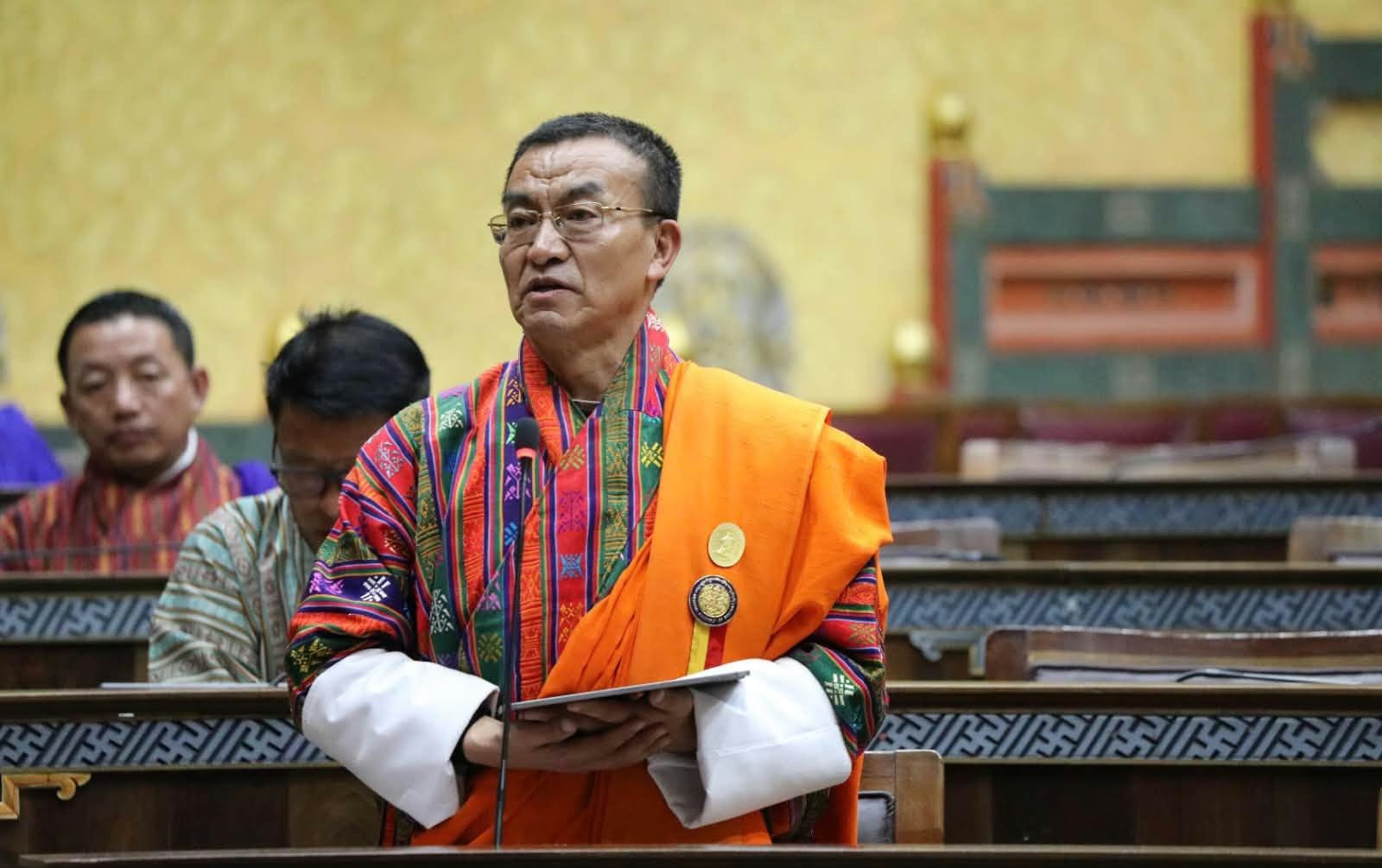
Bhutan's Members of Parliament have intensified scrutiny of the government's ambitious National Highland and Border Community Development Programme, expressing serious concerns about vague implementation schedules and uncertain funding commitments. During recent National Assembly deliberations, lawmakers warned that without concrete timelines and dedicated financial resources, the initiative risks becoming another well-intentioned policy that fails to deliver tangible benefits to some of the nation's most vulnerable populations.
The parliamentary pressure reflects growing frustration with the pace of rural development in remote areas, where depopulation, economic stagnation, and declining livelihoods have become persistent challenges threatening the social fabric of highland communities across Bhutan.
Understanding the Highland Community Challenge 🌄
Highland and border communities represent a critical yet often overlooked segment of Bhutan's population. These remote settlements, scattered across 24 gewogs spanning 11 dzongkhags, face unique developmental obstacles that distinguish them from urban and valley-based communities.
The challenges are multifaceted: limited infrastructure, restricted market access, harsh climatic conditions, and youth migration have created a cycle of economic decline. Young people increasingly abandon their ancestral lands for urban employment opportunities, leaving behind aging populations and abandoned agricultural practices that have sustained these communities for generations.
Community development in these areas requires specialized approaches that account for geographical constraints, cultural preservation, and livelihood sustainability—not standard urban development models.
The Government's Proposed Programme Framework 📋
Home Minister Lungten Dorji unveiled a comprehensive development strategy addressing 104 strategic interventions across 34 priority areas. The programme spans an ambitious timeframe, divided into three distinct phases:
Phase One (2027-2029): Short-term interventions under the 13th Plan
Phase Two (2029-2034): Medium-term initiatives under the 14th Plan
Phase Three (2034-2039+): Long-term measures extending through the 15th Plan and beyond
The four thematic pillars guiding these interventions encompass economic development, governance, security, and social development—a holistic approach acknowledging that sustainable rural prosperity requires simultaneous advancement across multiple sectors.
The government proposes establishing a dedicated Highland and Border Community Development Programme Office by 2027, equipped with specialized staff and independent funding mechanisms. Supporting governance structures include a National Executive Steering Committee comprising secretaries and ministry heads, alongside a Joint Technical Committee of technical experts and specialists.
The Parliamentary Pushback: Missing Specifics 🎯
Despite acknowledging the programme's comprehensive framework, MPs identified critical gaps that could undermine implementation effectiveness. Khamdang-Ramjar MP Namgay Dorji emphasized that communities require explicit knowledge of when individual initiatives will commence, enabling residents to prepare for participation and plan accordingly.
"Ambitious timelines mean nothing without clear implementation schedules and measurable milestones," he stressed during deliberations, highlighting that vagueness breeds uncertainty and erodes community confidence in government commitments.
The MP also questioned the inadequate specification of incentives for border community residents. While the report references targeted support mechanisms, it provides insufficient clarity regarding what incentives would actually be offered and which residents would qualify—a troubling omission for communities whose strategic location demands special consideration.
Learning from Past Failures 📊
Bartsham-Shongphu MP Rinchen Wangdi raised a particularly pointed concern: has the government assessed the effectiveness of the previous highland development programme implemented during the 12th Plan? This question cuts to the heart of institutional learning and evidence-based policymaking.
Without rigorous impact assessments of earlier interventions, the new programme risks repeating previous mistakes rather than building upon accumulated experience. Wangdi questioned whether an impact assessment had been conducted and what lessons had been extracted from the 12th Plan initiative.
He also challenged the necessity of establishing yet another programme office, suggesting that existing institutions could potentially be strengthened with additional staffing and resources—a pragmatic observation about institutional efficiency and avoiding bureaucratic duplication.
The Funding Reality Check 💰
Perhaps the most critical concern voiced by MPs relates to financial sustainability. MP Rinchen Wangdi warned that even brilliantly designed development programmes fail catastrophically without firm funding commitments. The risk of this initiative "remaining on paper" looms large if the Ministry of Finance ultimately declines to allocate sufficient resources.
Currently, the government proposes requiring "dedicated and sustained funding beyond regular sectoral allocations" across three successive five-year plans. This language, while acknowledging financial necessity, lacks the specificity that would guarantee resource availability.
Wangdi advocated for prioritizing domestic funding over heavy reliance on external assistance, urging incorporation of the programme into regular national budget allocations. He called for detailed cost estimates, comprehensive work plans, and explicit implementation schedules to support informed parliamentary decision-making and budget oversight.
Legislative Protection Proposal 📜
Radi-Sakteng MP Tashi Tenzin proposed an innovative solution: dedicated legislation specifically protecting highland communities. A legal framework could institutionalize sustained financial support and guarantee institutional commitment regardless of changing political circumstances or budget pressures.
This approach would establish statutory obligations for highland development funding, reducing uncertainty over budget allocations and creating enforceable mechanisms that transcend individual political administrations. Such legislation could address recurring development challenges systematically rather than through ad-hoc interventions.
Urgent Crises Demanding Immediate Response ⚠️
While long-term planning remains essential, several MPs emphasized that certain highland emergencies require immediate intervention rather than waiting for the broader programme to become operational. Khatoed-Laya MP Lhaba Lhaba cited the recent glacial lake outburst at Sintaphu in Laya as a stark example.
This natural disaster damaged critical road infrastructure, leaving the community dangerously isolated. The outburst simultaneously devastated yak herds, contaminated pastureland, and disrupted electricity supply—compounding existing hardships and demonstrating how climate-related crises disproportionately impact vulnerable highland populations.
Lhaba urged the government to treat Laya's situation as an emergency requiring immediate road restoration and infrastructure rehabilitation using available machinery, rather than subordinating urgent needs to the broader development programme's implementation timeline.
Consultation and Field Verification Process 🤝
Before formal implementation, the government plans conducting extensive consultations and field verification with local governments, highland communities, farmers, cooperatives, youth, field offices, relevant agencies, experts, and development partners across target dzongkhags.
The Joint Technical Committee, led by the Home Ministry, will undertake technical studies, prepare cost estimates, and develop consolidated investment plans. This consultative approach acknowledges that top-down development planning without community input frequently produces ineffective or culturally inappropriate interventions.
Broader Development Context 🌍
Bhutan's commitment to highland community development reflects global recognition that rural and remote areas require specialized development strategies. Countries worldwide increasingly recognize that one-size-fits-all urban development models fail in geographically challenging regions with distinct cultural identities and livelihood systems.
Sustainable highland development typically requires investments in:
- Infrastructure connectivity: Roads, telecommunications, and energy systems enabling market access and service delivery
- Agricultural innovation: Climate-adapted farming techniques and market-linked production systems
- Youth engagement: Economic opportunities and skills training preventing out-migration
- Environmental management: Sustainable resource use and climate adaptation strategies
- Cultural preservation: Support for traditional knowledge systems and heritage conservation
The Path Forward: Key Parliamentary Demands ✅
Parliamentary scrutiny has crystallized several non-negotiable requirements for programme credibility:
1. Explicit Timelines: Each intervention must have specific start dates and completion targets
2. Dedicated Funding: Budget allocations must be guaranteed through legislation rather than discretionary allocations
3. Clear Incentives: Border community support mechanisms must be precisely defined with transparent eligibility criteria
4. Impact Assessment: Previous programme outcomes must be rigorously evaluated to inform current design
5. Emergency Protocols: Immediate response mechanisms for climate-related and infrastructure crises must operate independently of long-term planning cycles
6. Community Participation: Genuine consultation ensuring highland residents shape interventions affecting their livelihoods
Why This Matters for Bhutan's Future 🇧🇹
The parliamentary debate on highland community development transcends regional policy discussions—it reflects fundamental questions about national cohesion, equitable development, and institutional effectiveness. When remote communities perceive government commitment as superficial or delayed, they lose confidence in state institutions and accelerate migration to urban centers.
Conversely, credible highland development programmes demonstrate that all Bhutanese citizens matter equally to national development priorities, regardless of geographical remoteness or economic productivity. This commitment strengthens social cohesion and preserves cultural diversity that defines Bhutan's unique identity.
Looking Ahead: Implementation Challenges 🔮
Successful implementation will require unprecedented coordination across multiple ministries, agencies, and local governments. The Home Ministry must effectively lead the Joint Technical Committee while ensuring genuine inter-ministerial collaboration rather than competing institutional interests.
Funding sustainability represents the ultimate test. Without parliamentary commitment to multi-year budget allocations and protection from competing priorities, even well-designed programmes deteriorate into aspirational documents gathering dust on government shelves.
Conclusion: Accountability and Action Required 🎬
Bhutan's MPs have articulated a clear message: ambitious rhetoric without concrete commitments serves no one. Highland communities deserve explicit timelines, guaranteed funding, transparent incentive structures, and genuine participation in programmes affecting their futures.
The government must respond to parliamentary demands with specificity and firmness. Detailed cost estimates, legal frameworks protecting funding commitments, rigorous impact assessments of previous initiatives, and emergency response protocols are not bureaucratic luxuries—they are prerequisites for credible development.
As Bhutan navigates the complex challenges of equitable national development, the highland community programme represents a critical test of institutional capacity and political will. The coming months will reveal whether this initiative becomes a transformative investment in rural prosperity or another unfulfilled promise that accelerates the very depopulation and livelihood decline it aims to prevent. The stakes could not be higher for Bhutan's most vulnerable populations.
You May Also Like
Politics
Beyond the Egg Shortage: Addressing Bhutan's Core Economic Challenges
November 18, 2026
Politics
National Council Ratifies Aviation Amendments Amid Technical Expertise Gap
November 17, 2026
Politics
Better Late Than Never: Bhutan's Housing Crisis Demands Urgent Policy Action
November 14, 2026
Politics
OPEC Fund Agreement: Bhutan's New Private Sector Financing Opportunity
November 14, 2026