Category:
TourismPhuentsholing's SDF Waiver Zone: A Call for Change
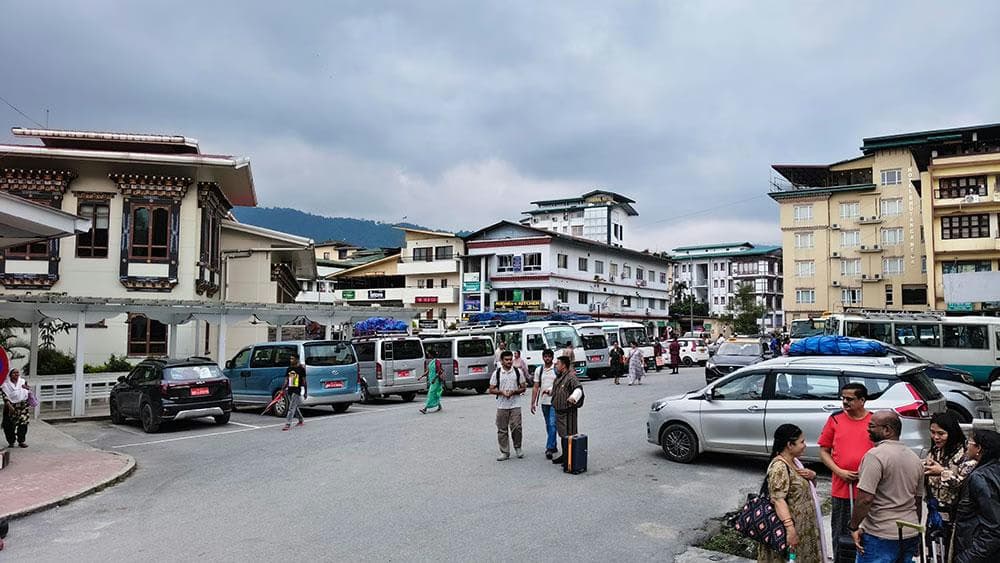
Phuentsholing, the bustling border town of Bhutan, is at the center of an important debate. The local business community is calling for a review of the existing Sustainable Development Fee (SDF) waiver zone. This discussion is crucial for transforming Phuentsholing from a transit hub into a vibrant tourism destination. 🌍✨
The Current SDF Waiver Zone: Opportunities and Limitations
The SDF waiver currently allows tourists to stay in Phuentsholing for up to 24 hours without incurring the daily SDF charges. However, this waiver is limited to the town's boundaries, restricting access to nearby attractions that fall just outside this zone. This restriction discourages tourists from exploring the rich cultural and natural sites that lie beyond, such as Gaikhurey Lhakhang and Milarepa Lhakhang. These sites, although close in proximity, are effectively out of reach for short-term visitors due to the additional SDF costs. 🚶♂️📸
Economic Impact: The Business Community's Perspective
Local businesses argue that the current waiver setup limits Phuentsholing's potential as a robust tourism destination. Hotels, restaurants, and tour operators face challenges in retaining visitors who often treat the town merely as a gateway to Bhutan's interior. The limited range of attractions within the SDF-free zone reduces opportunities for longer stays and increased spending. As a result, the town's economy misses out on substantial tourism revenue. 💰🏨
Attractions Within Reach
Phuentsholing does boast several attractions within the current SDF waiver zone, such as:
- Zangdopelri Park
- Rinchending Lhakhang
- Amochu Bazam
- The riverside walking trail
- Kopi Dham Nye
- A suspension bridge located nine kilometers away
However, to truly capitalize on its tourism potential, the town needs to expand its accessible offerings. 🏞️🎒
The Need for Policy Revision
The business community's call for policy revision centers on expanding the SDF waiver zone to include nearby cultural and eco-tourism sites. This expansion could stimulate local tourism by offering more diverse itineraries and encouraging longer visitor stays. Such a change would align with Bhutan's broader goals of sustainable tourism and economic development. 📈🌱
Guided Tours: A Compromise Solution
Local stakeholders propose a balanced approach: allowing mandatory guided tours to nearby sites. This model ensures regulatory compliance while providing employment opportunities for local guides and transport services. Additionally, collecting small entry fees at sites like Milarepa Lhakhang could help fund maintenance and monitoring efforts. This approach promises a win-win solution for preserving cultural heritage and boosting local economies. 🎟️🚕
Government's Balancing Act
While the government recognizes the potential benefits of revising the SDF waiver zone, it emphasizes the need to balance tourism promotion with sustainable development goals. Officials are tasked with managing visitor flow to support Bhutan's unique tourism model, which prioritizes low-impact, high-value tourism. 🤝🔍
The Road Ahead
As the discussions continue, the focus remains on finding a solution that benefits all stakeholders. By expanding the SDF waiver zone and implementing guided tours, Phuentsholing could emerge as a dynamic tourism destination, offering visitors rich cultural experiences and boosting the local economy. 🌟🏞️
Conclusion: A Call to Action
The call for a review of the SDF waiver zone in Phuentsholing is more than a local business concern; it's a pivotal step towards unlocking Bhutan's tourism potential. By addressing these challenges, Phuentsholing can transform into a vibrant destination that attracts and retains visitors, fostering sustainable economic growth for the community. 🏆🌏
You May Also Like
Tourism
Six Wildlife Sites to Boost Bhutan Tourism Circuit
August 26, 2026
Tourism
Bhutan's Tourism Crisis: Hidden Commissions Threaten Craft Authenticity
August 26, 2026
Tourism
Bumthang Tourism Growth: Local Businesses Push for Better Facilities
August 15, 2026
Tourism
Tsirang's Tourism Transformation: From Highway Pit Stop to Destination
August 15, 2026