Category:
TourismHigh Airfares Divert Bhutanese Travelers to Bagdogra
The Shift in Traveler Preferences 🛫🚗
Steep airfares at Bhutan's Paro International Airport are compelling both tourists and Bhutanese locals to explore alternative travel routes, with Bagdogra Airport in India emerging as a favored choice. This trend highlights a significant shift in travel preferences, driven by cost considerations and logistical ease.
Why Bagdogra? Understanding the Appeal 🌟
Bagdogra Airport, located in West Bengal, India, offers a more economical option for travelers. The stark contrast in airfare prices is a major lure. For instance, a one-way ticket from Paro to Bangkok can cost around USD 524.06, while traveling from Bagdogra to the same destination is approximately one-third of that price. This substantial difference is reshaping how tourists plan their travel to Bhutan.
The Economic Implications for Bhutan 💼
Bhutan has long marketed itself as a high-value travel destination, emphasizing quality over quantity. However, the economic implications of high airfares are becoming increasingly apparent. With only 25% of tourists arriving via Paro, the shift towards land entry through Indian airports like Bagdogra could undermine Bhutan's tourism sector, particularly concerning regional markets sensitive to price changes.
The Role of Paro International Airport's Unique Challenges 🏔️
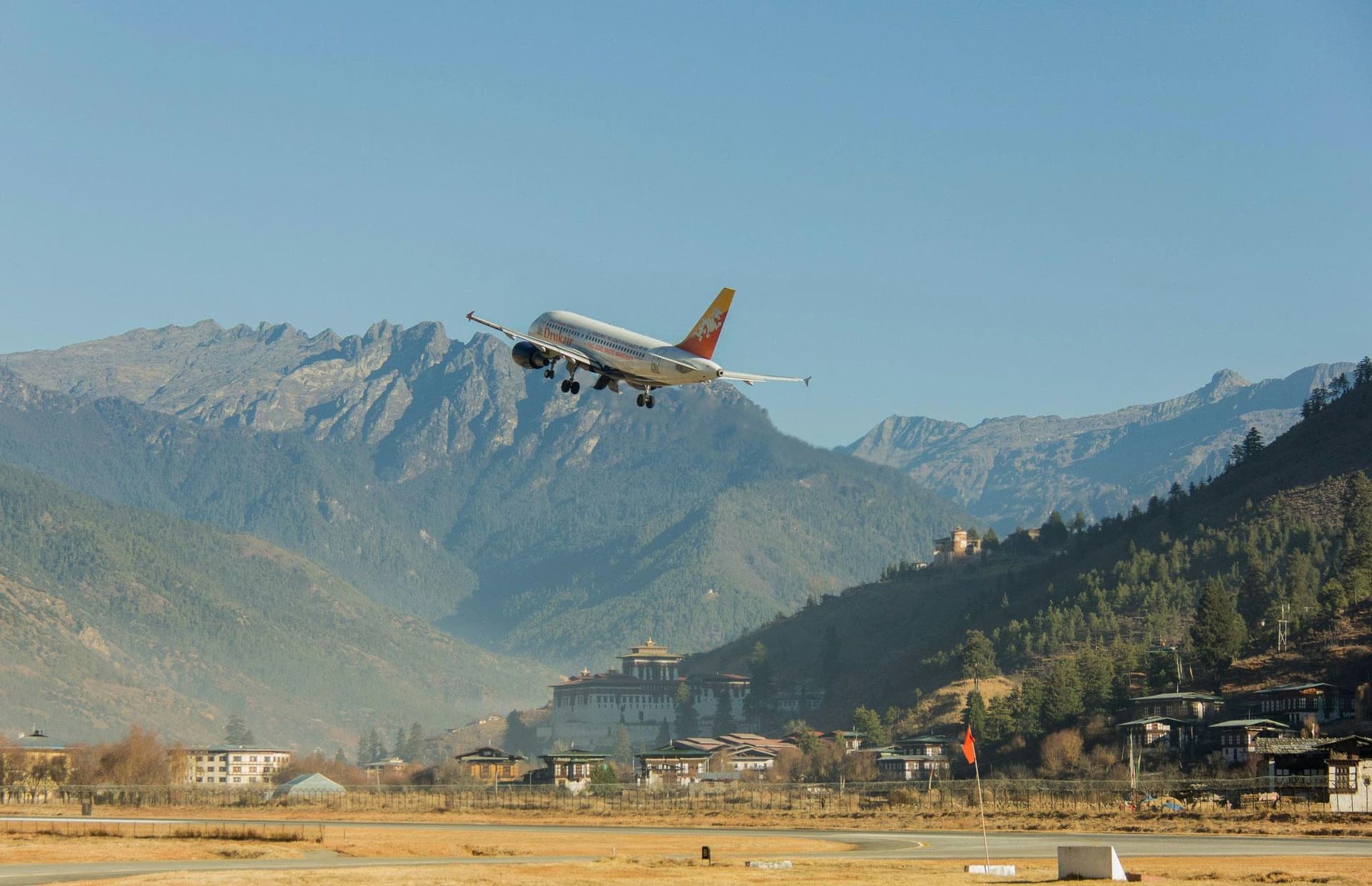
Operating in one of the world's most challenging aviation environments, Paro International Airport's high costs are not merely a result of airline pricing strategies but rather the geographical and operational constraints. The airport's mountainous terrain, coupled with its daylight-only operations and the need for specially trained pilots, significantly increases costs.
Airline Perspectives and Operational Challenges ✈️
Both Drukair and Bhutan Airlines acknowledge that high airfares stem from necessary operational expenses rather than a lack of competition. These include high aviation fuel prices, maintenance, and insurance costs. Unlike Indian airports like Bagdogra, which can operate around the clock, Paro's limited operational hours result in fewer flights and, consequently, higher costs per passenger.
The Bigger Picture: Bhutan's Tourism Strategy 🌍
While the high-value, low-impact tourism model is a cornerstone of Bhutan's economic strategy, the current airfare situation poses challenges in attracting more visitors. The Bhutan International Travel Mart highlighted airfares as a major concern among international tour operators, suggesting that Bhutan may need to reassess its pricing strategies to remain competitive.
Future Prospects and Recommendations 📈
For Bhutan to maintain its appeal as a unique travel destination, addressing the underlying cost structures at Paro International Airport is crucial. Solutions could include enhancing operational efficiency and infrastructure improvements. As Bhutan continues to develop its tourism sector, balancing costs while preserving its high-value tourism ethos will be key.
Conclusion: Navigating New Paths 🗺️
The shift in traveler preferences towards Bagdogra Airport underscores the need for strategic adjustments in Bhutan's tourism policies. By addressing operational inefficiencies and exploring new avenues for cost reduction, Bhutan can continue to thrive as a premier travel destination while accommodating the evolving needs of global travelers.