Category:
NewsPhuentsholing Faces Housing Crisis After Floods
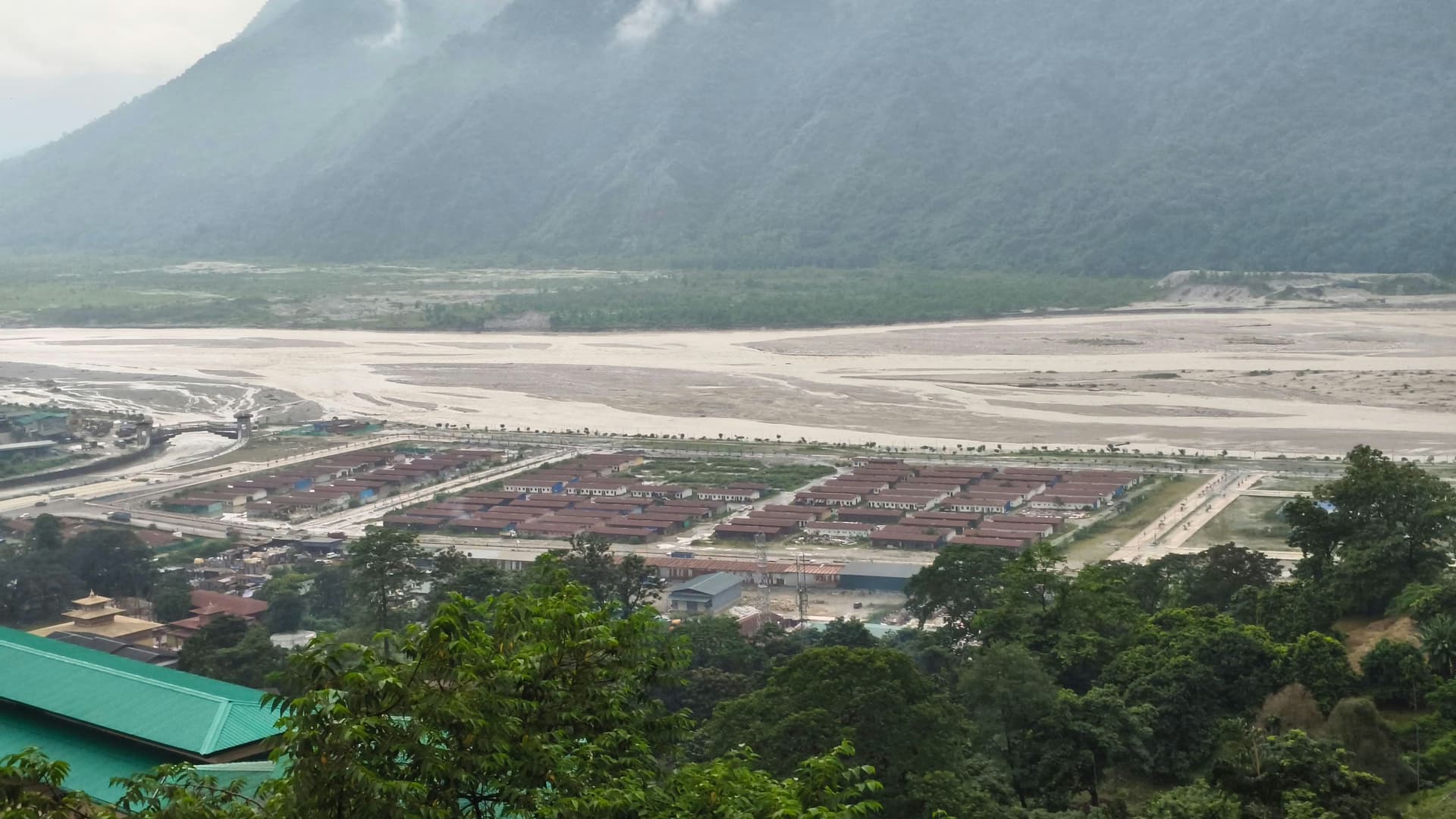
Phuentsholing, a bustling commercial hub in Bhutan, is grappling with an intensified housing shortage following severe flooding that displaced 87 families from their homes. The recent natural disaster has highlighted the town's limited capacity to accommodate its residents, particularly those from low-income backgrounds.
Floods Displace Families
The deluge last month wreaked havoc across Phuentsholing, forcing 87 families to evacuate their homes. The affected areas include the Amochhu Temporary Settlement (ATS), where 46 families resided, and the National Housing Development Corporation Limited (NHDCL) colony, which housed 41 families.
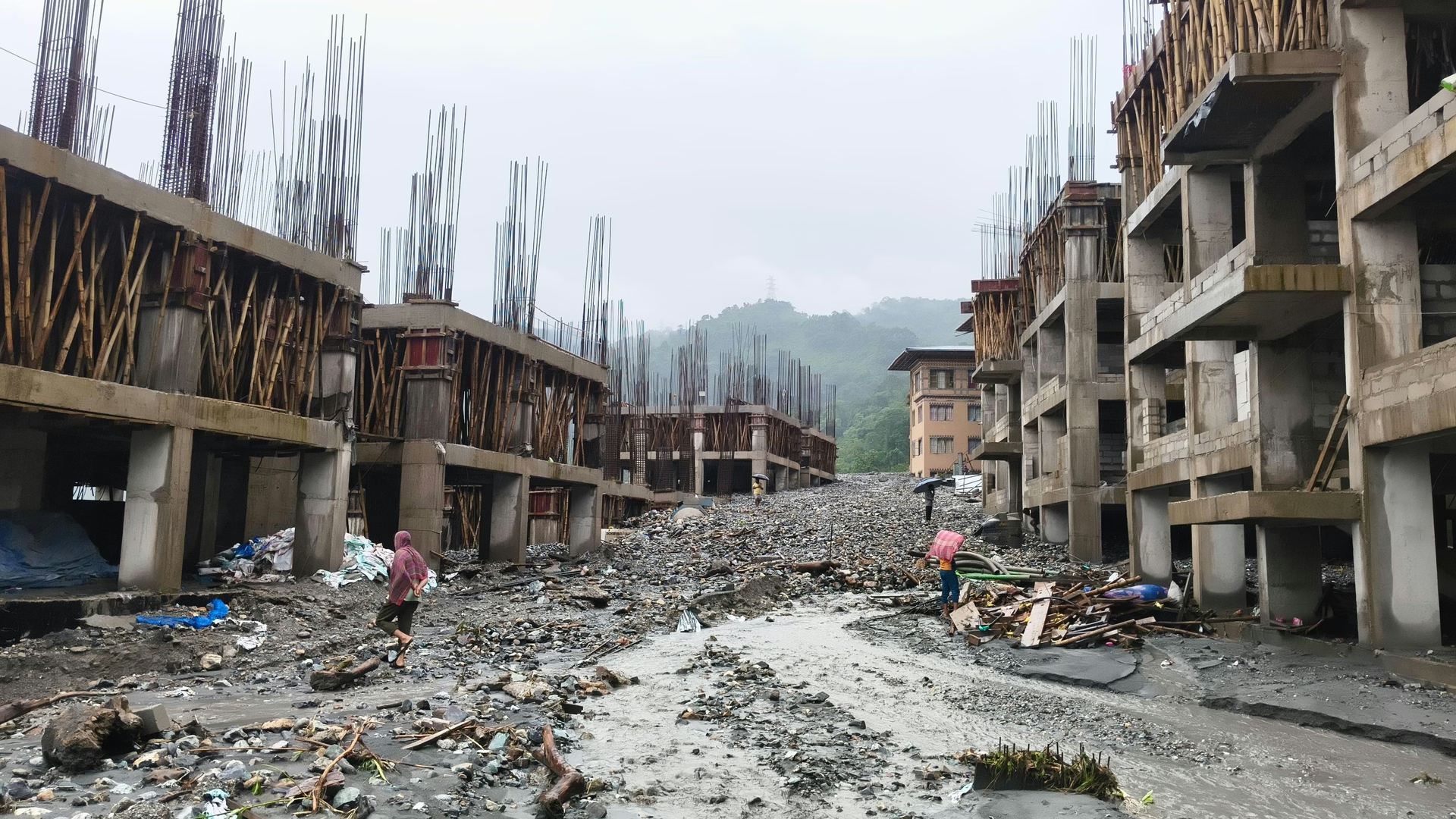
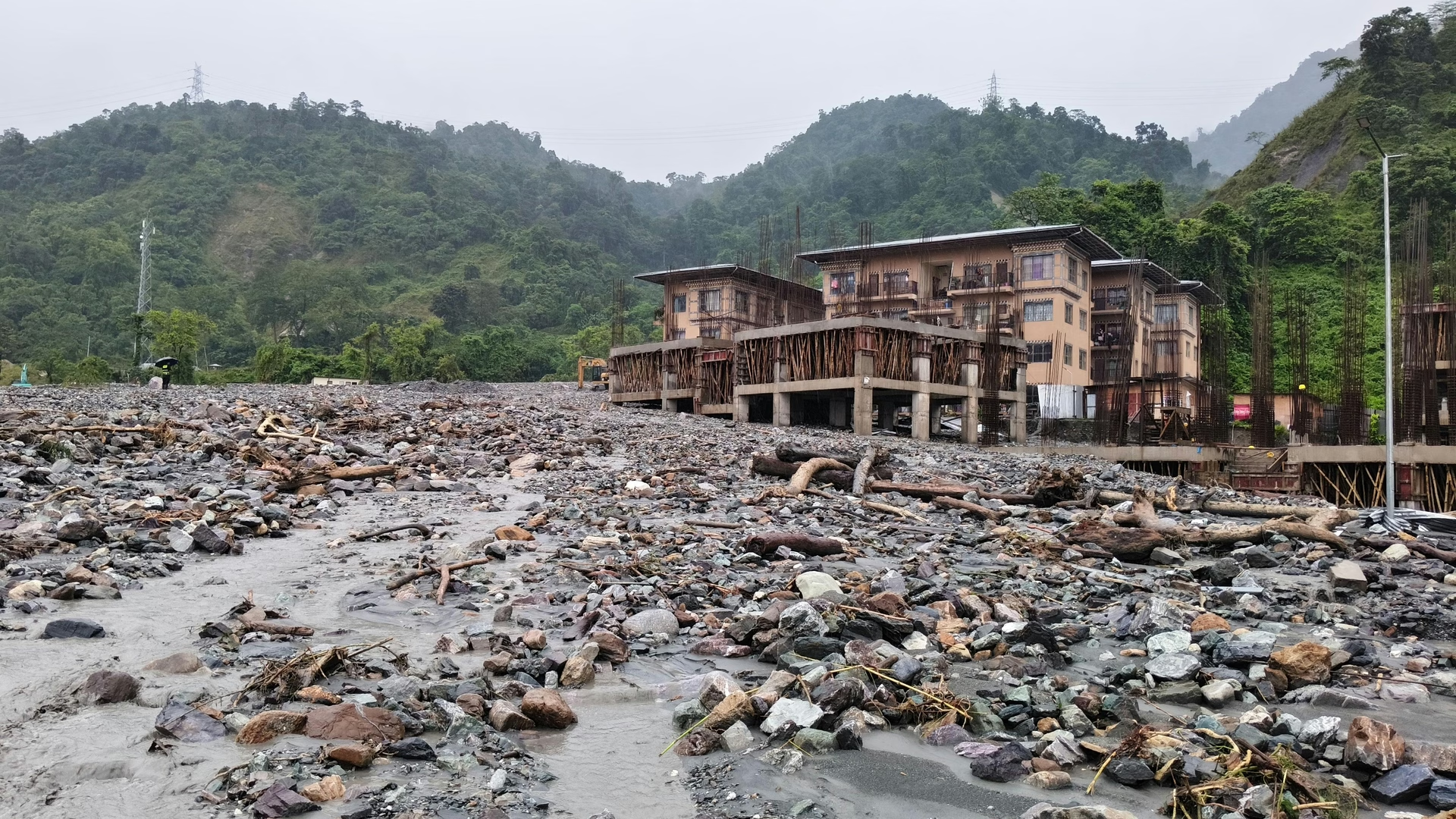
Floodwaters breached several buildings in the NHDCL colony, while prolonged water stagnation at the ATS rendered it uninhabitable. Despite warnings about the temporary settlement's deteriorating conditions, approximately 400 households continue to live there, hoping for better housing solutions.
Housing Shortage Reaches Crisis Level
Phuentsholing's housing market was already under strain before the floods. The town, a critical industrial and commercial center, has long struggled to provide affordable housing for its low-income workforce. The recent floods have exacerbated this crisis, as displaced families scramble to find accommodation.
With rents skyrocketing, many affected families have sought refuge with relatives or moved to nearby areas like Jaigaon, where housing is more affordable despite safety concerns. Others are considering moving to Pasakha, where rents are comparatively lower.
Delays in Development
The ongoing occupation of the ATS is also stalling the Phuentsholing Township Development Project (PTDP). Druk Holding and Investments have earmarked the area for the project, but construction can't proceed until the site is cleared. This delay hampers efforts to address the housing shortage effectively.
Long-Term Solutions Needed
Addressing Phuentsholing's housing crisis requires more than temporary fixes. The NHDCL, managing 689 housing units across 91 buildings, is working to provide more affordable housing. However, recent geological assessments suggest that much of Phuentsholing's land is unsuitable for large-scale residential development.
Stable land is available in some areas, but these lack essential infrastructure like schools and hospitals, limiting their potential for immediate housing construction. A comprehensive risk assessment and rehabilitation are necessary before affected areas can be deemed safe for habitation.
Future Outlook
The floods serve as a stark reminder of the urgent need for sustainable housing solutions in Phuentsholing. Authorities must balance immediate relief efforts with long-term planning to ensure the town can withstand future disasters.
In conclusion, Phuentsholing's housing crisis is a multifaceted issue that demands coordinated efforts from government agencies, developers, and the community. Investing in resilient infrastructure and expanding affordable housing options is crucial to supporting the town's economic growth and the well-being of its residents.
You May Also Like
News
Women Entrepreneurs Master AI and Digital Tools in Phuentsholing
September 1, 2026
News
Can Samtse Keep Up With Its Growing Workforce?
August 29, 2026
News
Nepal Flood Exposes Critical Gaps in Bhutan's Early Warning Systems
August 29, 2026
News
High Court Overturns Acquittal: Doctor Sentenced to 10 Years for Child Sexual Abuse
August 29, 2026