Category:
EconomyOrganic Farming Success: Chheng Farmers Transform Rural Economy
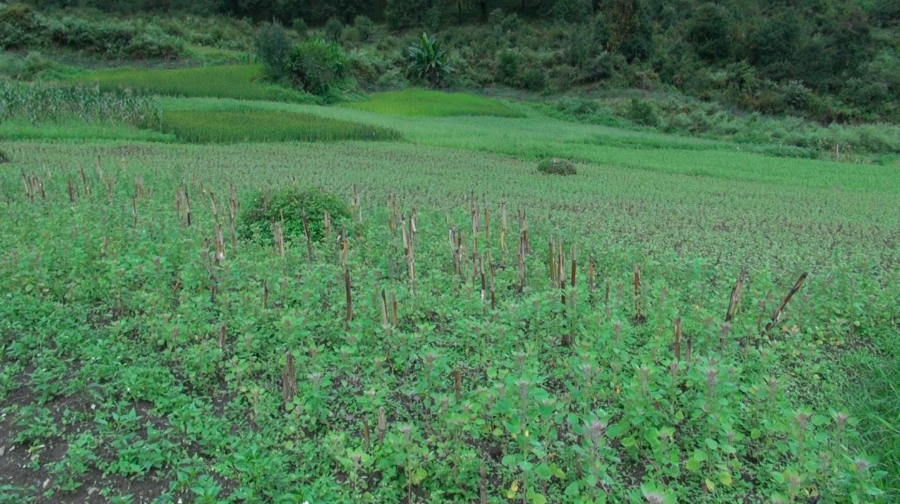
A Rural Revolution: How Organic Farming is Changing Trashi Yangtse 🌾
In the remote village of Chheng, nestled within Bumdeling Gewog in Trashi Yangtse district, a quiet agricultural revolution is taking root. What began as a pragmatic cost-cutting measure has blossomed into a thriving organic farming movement that's reshaping the economic landscape for 13 farming households. The story of Chheng's farmers demonstrates how sustainable agricultural practices can simultaneously reduce expenses, improve soil health, and create genuine market opportunities in Bhutan's evolving economy.

The Origins of Chheng's Organic Movement 🌱
The journey toward organic farming in Chheng began with a fundamental challenge facing rural communities: the rising costs of imported chemical fertilizers. In 2023, recognizing both the financial burden and the environmental concerns associated with synthetic inputs, the village farmers made a strategic decision. They established the Chheng Rangzhin Thaenkey Deytshen—a collective organization dedicated to promoting organic farming and bringing their produce to market.
This wasn't merely an idealistic venture; it represented a calculated economic strategy. By embracing organic farming methods, the Chheng farmers could dramatically reduce their production costs while simultaneously tapping into the growing global demand for organic produce. Today, this decision is yielding tangible results that validate their vision.
Understanding the Organic System: From Leaves to Harvests 🍃
The organic farming methodology employed by Chheng farmers showcases remarkable ingenuity and sustainability. Rather than relying on expensive imported chemical fertilizers, they've developed a closed-loop system utilizing resources already available within their community.
The process is elegantly simple yet highly effective:
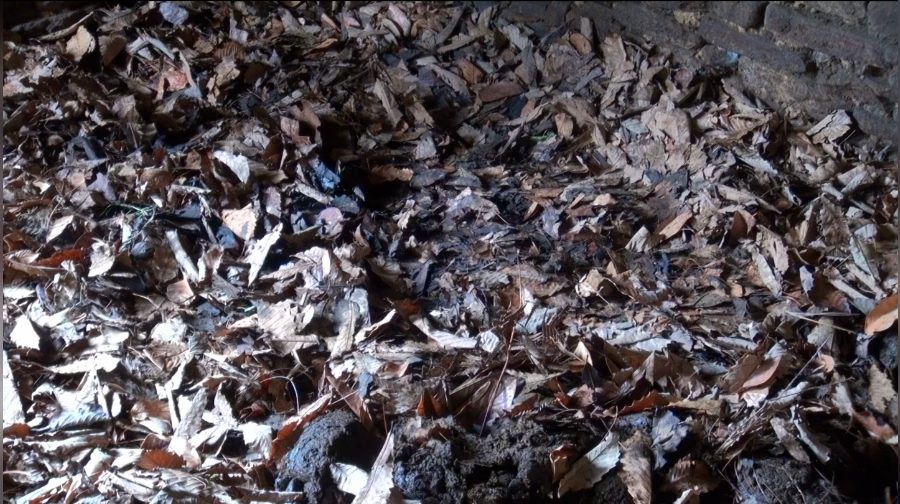
- Winter Collection: During the cold months, farmers systematically gather dried leaves from their surroundings
- Strategic Storage: These leaves are stored within cattle sheds, serving a dual purpose
- Natural Composting: The leaves function as bedding material for livestock, where they gradually mix with cow dung
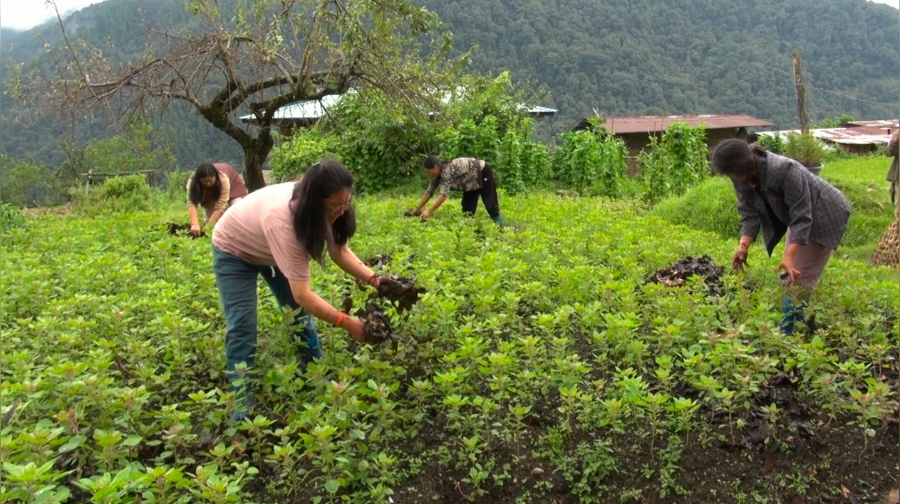
- Field Application: The resulting nutrient-rich mixture is applied to fields before cultivation and maintained throughout the growing season
This approach transforms what would otherwise be agricultural waste into valuable organic manure. The system reflects deep ecological understanding and demonstrates how traditional knowledge can address modern agricultural challenges.
Farmer Perspectives: The Real Impact of Going Organic 💬
The voices of Chheng's farmers reveal the profound benefits they've experienced through organic farming adoption. Karma Deki, one of the village's committed cultivators, emphasizes the soil quality improvements: "We use only cow dung mixed with dried leaves. We do not use other fertilisers. When farmers use imported chemical fertilisers, the soil becomes hard. But our manure keeps the soil soft."
This observation reflects a critical environmental reality—chemical fertilizers can degrade soil structure over time, reducing long-term productivity. Organic matter, by contrast, enhances soil structure, water retention, and microbial activity.
Tshering Dorji, another farmer, articulates the broader sustainability concerns: "There is a risk that we may not be able to continue growing crops organically in the future. Although our village is small, we are working to maintain organic farming. This helps us reduce our expenses. Otherwise, we would have to spend a lot on fertilisers. Organic farming is also good for our health, and we hope it will bring better business opportunities in the future."
His statement captures three critical dimensions of the organic farming advantage: economic sustainability, personal health benefits, and market potential.
Geographic Advantages: Proximity as a Strategic Asset 📍
Chheng's success is partly attributable to its geographic configuration. With farmland located in close proximity to one another, farmers can efficiently monitor their fields and maintain consistent organic farming standards. This clustering effect creates natural accountability and facilitates knowledge-sharing among community members.
The compact layout also reduces transportation costs and time, allowing farmers to respond quickly to field management needs. This geographic advantage has proven crucial in maintaining the integrity of their organic certification practices and ensuring consistent produce quality.
Market Success: From Local Sales to Regional Demand 📈
Perhaps the most encouraging development for Chheng farmers is the growing market demand for their organic produce. The farmers have successfully transitioned from subsistence farming to commercial organic agriculture, with buyers actively seeking their products both within and outside Trashi Yangtse district.
Kinzang Wangdi, one of the more commercially successful farmers, shares concrete evidence of this market transformation: "We are receiving orders from buyers, so we do not face much difficulty selling our produce. We grow quinoa and potatoes on a large scale. Last year, I earned around Nu 100,000."
This income level represents a significant economic achievement for rural Bhutanese farmers. The cultivation of high-value crops like quinoa—increasingly popular in health-conscious markets—alongside traditional potatoes demonstrates agricultural diversification and market awareness.
Collaborative Governance: Collective Problem-Solving 🤝
The success of Chheng's organic farming initiative owes much to its collaborative structure. Farmers hold regular meetings to review practices, discuss challenges, and collectively develop solutions. This governance model ensures that knowledge is shared, problems are addressed collectively, and best practices are standardized across the community.
This collaborative approach has proven essential for maintaining organic standards and responding to emerging agricultural challenges. It also creates a support network that reduces the isolation often experienced by individual farmers in remote areas.
Government Support: Infrastructure and Tools 🏛️
The Chheng farmers' success has attracted meaningful government support. Recently, Bumdeling Gewog provided chain-link fencing to protect the community's fields from wildlife damage—a significant challenge in Bhutan's forested regions. This infrastructure investment directly enhances crop security and yield protection.
Mani Dorji, Bumdeling Gup, articulates the government's commitment: "When the government provides support, we give priority to these farmers. We have already discussed the matter with the District Administration, and they are expected to receive a power tiller each soon. Although the Gewog has limited resources, we prioritise them whenever support is available from the District, relevant departments and other projects."
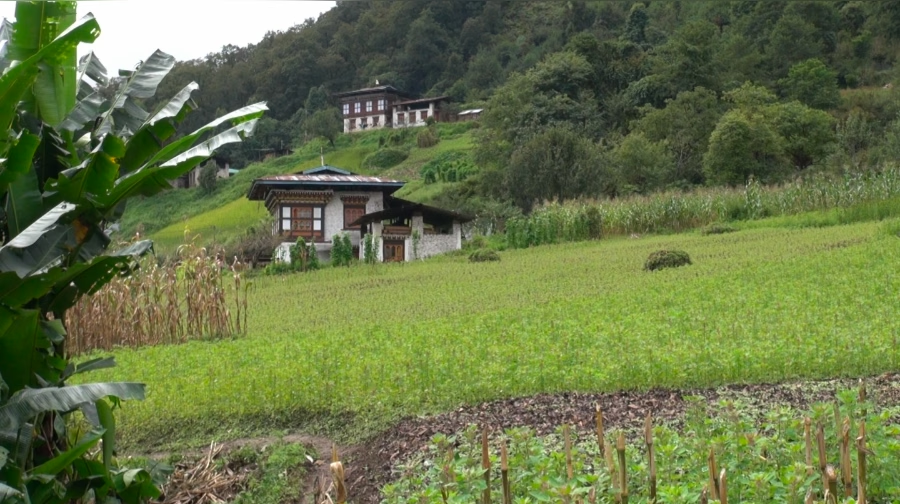
The planned provision of power tillers represents another crucial support mechanism. Mechanization can significantly reduce labor burdens, particularly during peak planting and harvesting seasons, allowing farmers to expand cultivation areas without proportional increases in physical labor.
Chheng's Unique Position: Leading Organic Agriculture in the District 🏆
Chheng currently stands as the sole village in Trashi Yangtse district practicing comprehensive organic farming. This distinction positions them as pioneers and potential models for agricultural transformation throughout the region. Their success could catalyze similar initiatives in neighboring communities, gradually expanding the district's organic agricultural footprint.
The farmers remain determined to sustain and expand their organic production. Their commitment reflects not merely economic self-interest but a genuine belief in the long-term viability and superiority of organic methods.
Broader Implications: Organic Farming in Bhutan's Economy 🌍
The Chheng initiative aligns with Bhutan's broader policy objectives regarding sustainable development and agricultural modernization. The country has long emphasized environmental conservation and sustainable practices, making organic farming a natural fit within national development frameworks.
Bhutan's organic farming movement represents an opportunity to:
- Reduce Import Dependency: Lowering reliance on chemical fertilizers and pesticides
- Enhance Food Security: Producing nutritious, chemical-free agricultural products
- Create Export Opportunities: Accessing premium international markets for organic produce
- Support Rural Livelihoods: Generating sustainable income for farming communities
- Preserve Environmental Quality: Maintaining soil health and ecosystem integrity
Challenges and Future Outlook 🔮
While Chheng's organic farming success is impressive, challenges remain. Scaling production while maintaining organic standards requires consistent effort and continuous knowledge development. Climate variability, pest management, and market price fluctuations present ongoing concerns.
However, the farmers' demonstrated resilience, collaborative spirit, and market success suggest they are well-positioned to overcome these obstacles. Their willingness to innovate—evident in their sophisticated manure management system—indicates capacity for adaptive problem-solving.
Key Takeaways: The Chheng Model ✨
The Chheng farmers' journey demonstrates several crucial principles for sustainable agricultural development:
- Cost-Efficiency Can Drive Sustainability: Economic necessity catalyzed environmental responsibility
- Local Resources Are Powerful: Community-available materials replaced expensive imports
- Collective Action Amplifies Success: Cooperative organization enhanced individual efforts
- Markets Reward Quality: Genuine demand emerged for their organic produce
- Government Support Matters: Strategic infrastructure investment accelerated progress
- Traditional Knowledge Remains Relevant: Indigenous farming wisdom proved superior to chemical alternatives
The story of Chheng's organic farming transformation offers hope and practical guidance for rural communities throughout Bhutan and beyond. As demand for organic produce continues growing globally, and as environmental concerns become increasingly urgent, models like Chheng's demonstrate that sustainable agriculture isn't merely idealistic—it's economically viable, environmentally responsible, and genuinely transformative for rural livelihoods. 🌟
You May Also Like

Economy
Government Cuts Hotel Loan Interest Rates to Boost Tourism
November 15, 2026

Economy
OPEC Fund Opens New Financing Doors for Bhutanese Entrepreneurs
November 14, 2026
Economy
Bhutan Seeks India's Help Over West Bengal Transit Curbs
November 14, 2026
Economy
Bhutan Approves Nu 844M Interest Relief Package for Hotels
November 14, 2026