Category:
EconomyBhutan Approves Nu 844M Interest Relief Package for Hotels
Government Backs Tourism Sector with Major Financial Support 🏨
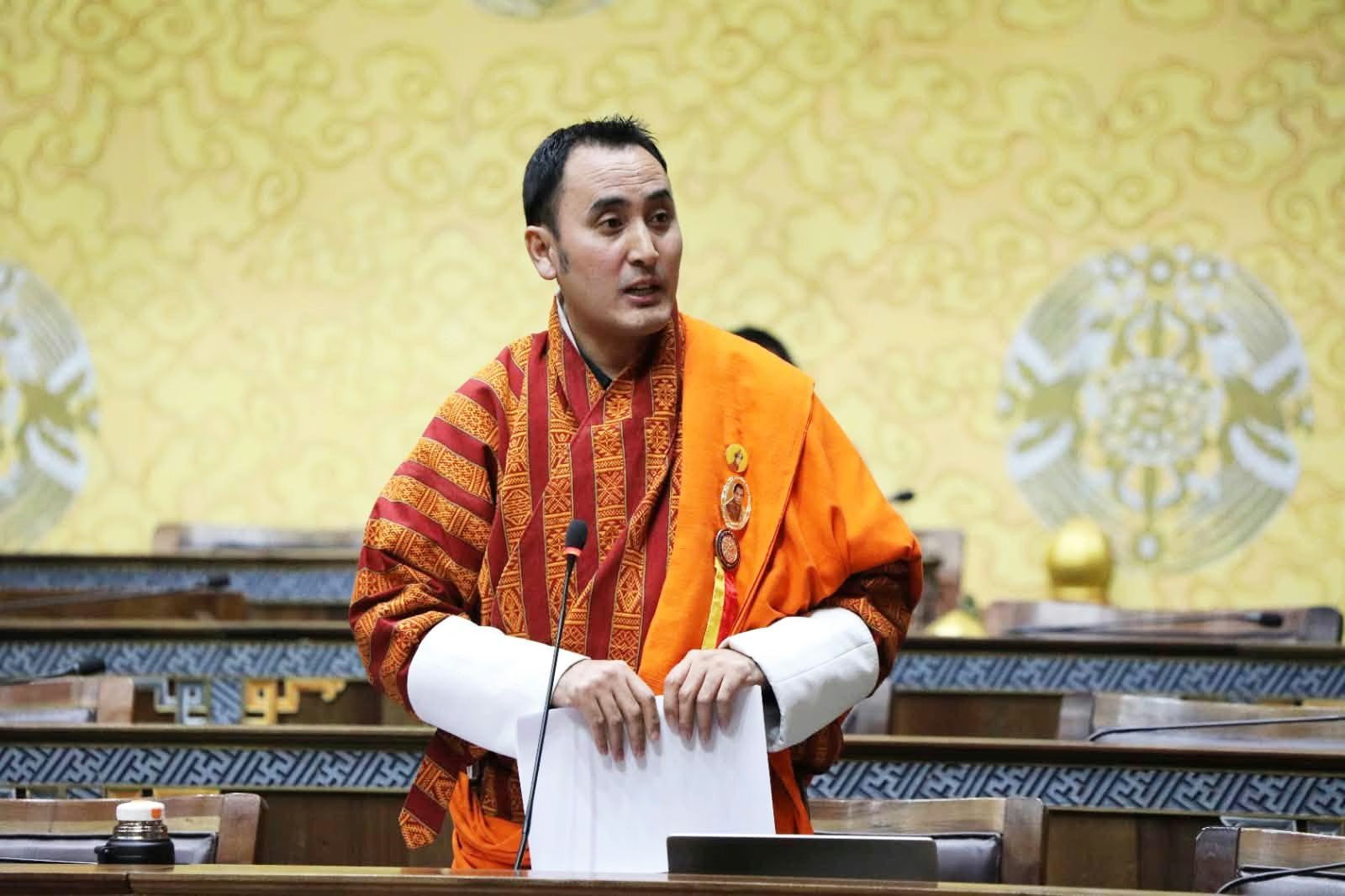
Bhutan's government has taken decisive action to stabilize its struggling hospitality industry by allocating Nu 844 million in interest relief for 184 hotels across the nation. This comprehensive support package represents a significant commitment to revitalizing the tourism sector, which has faced considerable headwinds in recent years due to evolving market conditions and operational challenges.
The interest relief initiative, unveiled during a National Assembly session, demonstrates the government's recognition that the hotel industry requires targeted intervention to maintain stability and competitiveness. The package combines resources from both public and private sectors, reflecting a collaborative approach to economic recovery.
Breaking Down the Nu 844 Million Interest Relief Package 💰
The financial support structure is elegantly designed to provide meaningful relief without creating unsustainable government expenditure. The package comprises two components working in tandem:
- Government contribution: Four percent interest rate subsidy
- Financial institution contribution: One percent interest rate subsidy
- Combined relief: Five percent total interest rate reduction for one year
This dual-source funding model ensures that both public and private sectors share responsibility for supporting the tourism industry's recovery. The arrangement demonstrates how collaborative partnerships can amplify the impact of financial interventions.
Hotel Categories Benefiting from the Relief Program 🌟
The relief package reaches across all hotel categories below five-star establishments, with the majority of beneficiaries operating at lower rating tiers:
- Three-star hotels: 114 establishments (62% of beneficiaries)
- Two-star hotels: 44 establishments (24% of beneficiaries)
- One-star hotels: 12 establishments (6% of beneficiaries)
- Four-star hotels: 14 establishments (8% of beneficiaries)
The concentration of support among three-star properties reflects the particular vulnerability of mid-range establishments, which often operate with tighter margins than their luxury counterparts while lacking the cost advantages of budget operations.
Understanding the Broader Context of Hotel Industry Challenges 📊
Bhutan's hotel sector has navigated turbulent waters in recent years. Small and medium-sized properties, particularly those rated three-star and below, face a perfect storm of operational pressures: consistently low occupancy rates, revenue fluctuations, escalating operational expenses, and the burden of servicing existing debt obligations.
These challenges have been compounded by structural issues within the tourism ecosystem. Many smaller hotels lack the marketing infrastructure and digital presence necessary to compete effectively in an increasingly online-driven booking environment. Additionally, seasonal variations in tourist arrivals create cash flow instability that larger properties can better absorb.
Loan Repayment Deferment: Breathing Room for Cash Flow 🔄
Complementing the interest relief, the government has implemented a strategic loan repayment deferment program extending until June 2026. This measure provides hotels with crucial breathing space, allowing them to redirect limited cash resources toward operational expenses and staff compensation rather than debt servicing.
The deferment strategy acknowledges a fundamental reality: immediate debt repayment obligations can force hotels into unsustainable operational decisions that ultimately harm the industry's long-term viability. By extending the repayment timeline, the government enables hotels to stabilize operations and gradually rebuild financial health.
Eligibility Criteria: Ensuring Targeted Support ✅
To access the interest relief benefits, hotels must meet specific requirements designed to ensure support reaches genuine operational establishments:
- Rating requirement: Four-star classification or below
- Certification: Valid Department of Tourism certification
- Operational status: Currently functioning and serving guests
- Registration: Registered with the Tourist Registration System and actively using it
- Loan status: Existing hotel loans requiring interest subsidy
These criteria create a transparent framework that prevents misuse while ensuring support reaches legitimate hospitality businesses facing genuine hardship.
Addressing Labour Shortages Through Youth Employment 👥
Beyond financial relief, the government recognizes that the hotel industry's recovery depends on adequate staffing. The Youth Engagement and Livelihood Programme addresses this critical need by providing wage support to hotels that employ Bhutanese youth.
The program has already demonstrated significant impact: since 2024, 192 hotels have received support to employ 1,520 Bhutanese youth. This initiative simultaneously tackles two challenges—youth unemployment and hotel labour shortages—creating a win-win outcome that strengthens both social and economic objectives.
Where Bhutanese workers remain unavailable, the government is facilitating access to foreign workers, ensuring hotels can maintain operational standards and service quality without compromising their financial viability.
Democratizing Tourism Access: Opening Doors to Smaller Hotels 🚪
Historically, Bhutan's tourism policies created barriers that disadvantaged smaller establishments. International tourists were previously required to book accommodations only at three-star hotels and above, effectively excluding one and two-star properties from the international market.
This restriction has now been removed, fundamentally changing the competitive landscape. International visitors can now book any certified accommodation directly, without intermediary requirements. This democratization of market access represents a significant policy shift that could substantially expand revenue opportunities for smaller hotels.
Additionally, the government is partnering with the Hotel and Restaurant Association of Bhutan to enhance digital marketing capabilities for three-star properties. Similar support for one and two-star hotels is under consideration, recognizing that online visibility directly correlates with booking success in the modern tourism economy.
Expanding Tourism Promotion and Destination Development 🎯
The government's support extends beyond financial interventions to encompass broader tourism development strategies. Initiatives include:
- Festival and event promotion across underutilized dzongkhags
- Destination development in lesser-visited regions
- Extended stay incentives encouraging longer tourist visits
- Community-based tourism supporting local economic participation
These initiatives aim to distribute tourism benefits more equitably across the country while extending average tourist spending duration, which directly benefits hotels in all regions.
Sustainable Development Fee Incentives: Attracting Group Business 🌍
The government has introduced strategic SDF (Sustainable Development Fee) waivers for eligible meetings, incentives, conferences, and exhibitions (MICE) groups. To qualify, groups must include at least 15 participants and stay for up to five nights.
These incentives make Bhutan more competitive for corporate and association events, creating opportunities for hotels to capture high-value group bookings. The MICE segment typically generates more predictable revenue and higher occupancy rates compared to leisure tourism.
Border Town Tourism: Expanding International Access 🌐
The government recently expanded the 24-hour SDF waiver in border towns to include international tourists from all countries, previously limited to Indian visitors. This policy expansion recognizes the strategic importance of border regions for tourism development and creates new market opportunities for hotels in gateway communities.
Border town hotels now have competitive advantages that could attract transit tourists and regional visitors, diversifying their customer base beyond traditional tourist circuits.
Long-Term Sustainability: Beyond Immediate Relief 🔮
While the Nu 844 million relief package addresses immediate financial pressures, government officials emphasize that the ultimate objective extends beyond short-term survival. The comprehensive support strategy aims to position hotels for long-term commercial sustainability and competitive viability.
Minister Namgyal Dorji has indicated that the government will continue reviewing tourism policies and support mechanisms in consultation with industry stakeholders. This ongoing dialogue recognizes that smaller hotels operate under fundamentally different financial constraints and market conditions than larger establishments, requiring differentiated policy approaches.
What This Means for Bhutan's Tourism Future ⭐
The Nu 844 million interest relief package signals a strategic pivot toward inclusive tourism development. By supporting smaller hotels with targeted financial relief, workforce assistance, and market access improvements, the government is investing in a more resilient and diversified hospitality sector.
This approach acknowledges that sustainable tourism growth depends on healthy businesses across all segments—from luxury properties to modest family-run establishments. When smaller hotels thrive, they generate employment, support local communities, and distribute tourism benefits more equitably across the nation.
The combination of financial relief, loan deferment, labour support, and market access reforms creates a comprehensive ecosystem designed to help hotels weather current challenges while building capacity for future growth. As these initiatives take effect throughout 2024 and beyond, the hospitality sector has genuine opportunity to stabilize and expand, ultimately strengthening Bhutan's position as a premium tourism destination while ensuring prosperity reaches communities throughout the kingdom.
You May Also Like
Economy
OPEC Fund Opens New Financing Doors for Bhutanese Entrepreneurs
November 14, 2026
Economy
Bhutan Seeks India's Help Over West Bengal Transit Curbs
November 14, 2026
Economy
AI Ideas vs. Business Reality: Why Entrepreneurs Struggle
November 13, 2026
Economy
Cassava Farm Group Diversifies Income with Cookies and Cakes
November 11, 2026