Category:
EconomyGovernment Cuts Hotel Loan Interest Rates to Boost Tourism

Bhutan's hospitality sector is receiving a significant financial lifeline as the government implements a groundbreaking initiative to reduce loan interest rates for four-star and lower-rated hotels. This strategic move represents a pivotal moment for the nation's tourism recovery and economic stabilization, particularly as the industry grapples with persistent occupancy challenges and mounting operational expenses. 🏨✨
Understanding the Government's Hotel Interest Rate Relief Program
The newly approved government support scheme addresses a critical pain point for hotel operators across the country. Hotels that were previously servicing loans at rates as high as 12 percent will now benefit from dramatically reduced rates of approximately seven percent, translating to substantial monthly savings on interest payments. This represents a five percent reduction in borrowing costs—a meaningful relief for establishments operating on thin margins.
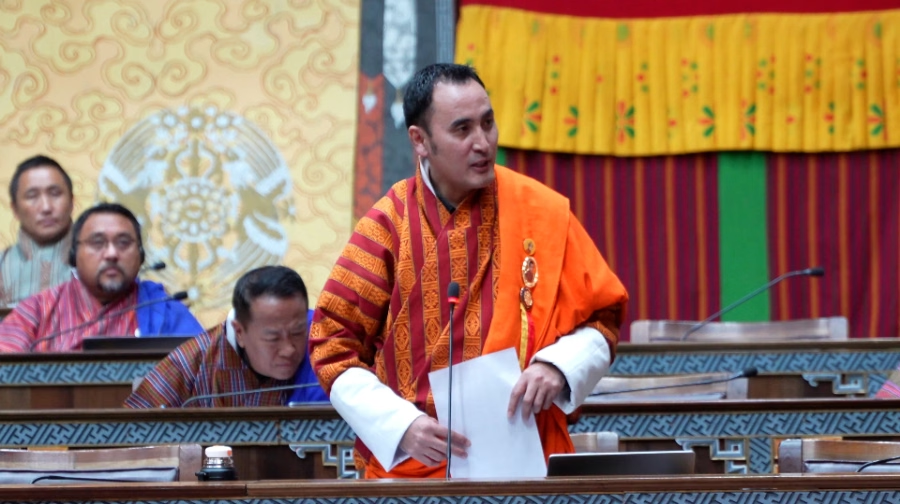
The initiative falls under the broader Economic Stimulus Programme, designed specifically to address the financial pressures facing hospitality businesses. With an allocation of Nu 844 million, the government has demonstrated its commitment to revitalizing this essential sector of the economy. The announcement, made during the National Assembly's question-and-answer session, signals a coordinated effort between government entities and financial institutions to stabilize the tourism industry. 💫
How the Interest Rate Reduction Works
The mechanics of this relief program involve a collaborative approach between public and private sectors. Here's how the interest rate reduction framework functions:
Government's Role:
- Covers four percent of the interest expense
- Provides guaranteed relief for participating hotels
- Manages the Nu 844 million allocation efficiently
Banking Sector's Contribution:
- Participating banks provide an additional minimum one percent reduction
- Combined relief ensures at least five percent total interest relief
- Support extends for one year from implementation
As of the announcement, 184 hotels have already been enrolled in this beneficial scheme, demonstrating rapid uptake and widespread recognition of its value. This substantial number indicates that hotel operators recognize the tangible benefits of reduced debt servicing costs. 🎯
The Financial Landscape of Bhutan's Hotel Industry
Understanding the context of this intervention requires examining the broader financial situation in the hospitality sector. Recent data from Bhutan's central bank reveals that the hotel industry carries significant debt obligations, with establishments having borrowed over Nu 24 billion across 1,113 separate loan accounts as of March this year.
Three-star hotels represent the largest segment of this debt, accounting for approximately Nu 17 billion of total borrowings. However, this picture is complicated by emerging credit quality concerns. More than Nu 400 million of these loans have transitioned into non-performing status, indicating that some properties are struggling to meet their payment obligations—a situation that the interest rate relief program aims to mitigate.
These statistics underscore why government intervention became necessary. The combination of high debt levels, substantial non-performing loans, and ongoing operational pressures created an unsustainable situation that threatened both individual hotel viability and broader economic stability. 📊
Beyond Interest Relief: Comprehensive Support Measures
The government's approach extends far beyond simple interest rate reductions. Recognizing that financial relief alone cannot solve systemic challenges, policymakers have implemented complementary measures to enhance competitiveness and market access.
Relaxed Accommodation Regulations
A significant regulatory change now permits international tourists to book accommodations directly at lower-rated hotels without mandatory tour operator intermediation. This democratization of the booking process provides several advantages:
- Direct booking access for certified hotels recognized by the Tourism Department
- Reduced commission costs traditionally paid to tour operators
- Improved pricing flexibility for both hotels and guests
- Expanded market reach for smaller establishments
Alternative Accommodation Options
The government has also promoted village homestays as viable alternatives to traditional hotels. This diversification strategy:
- Distributes tourism revenue more broadly across communities
- Provides authentic cultural experiences for international visitors
- Creates income opportunities for rural households
- Reduces pressure on conventional hotel infrastructure
Strategic Tourism Promotion and Market Development
The government recognizes that sustainable hotel industry recovery requires sustained visitor growth. To this end, officials are investing in tourism promotions, cultural festivals, and special events designed to attract international travelers to diverse regions throughout the country. 🌍
These initiatives serve multiple purposes. They generate awareness among potential visitors about Bhutan's unique attractions, distribute tourism benefits across different geographic areas, and create business opportunities for hotels in secondary markets beyond the capital region. By promoting lesser-known destinations and cultural experiences, the government aims to increase overall visitor numbers while reducing concentration risk in any single location.
Industry Context and Market Conditions
Bhutan's tourism sector has experienced significant volatility in recent years. The global pandemic severely disrupted international travel patterns, and recovery has been uneven. Many hotels that expanded capacity or took on debt in anticipation of continued growth found themselves facing occupancy rates far below projections.
Rising operational costs—including labor expenses, utilities, and maintenance—have further compressed profit margins. For many properties, especially smaller establishments and three-star facilities, the combination of lower revenues and higher costs created a challenging financial environment. The government's multi-faceted intervention addresses these interconnected challenges through both immediate financial relief and longer-term market development strategies. 🔥
Expected Outcomes and Economic Impact
The interest rate relief program is anticipated to generate several positive outcomes for the hospitality sector and the broader economy:
- Improved Cash Flow - Reduced monthly interest payments free up capital for operational expenses and reinvestment
- Enhanced Debt Service Capacity - Lower rates reduce the risk of loan defaults and non-performing status
- Increased Competitiveness - Lower financing costs enable hotels to improve services and maintain competitive pricing
- Employment Stabilization - Financially healthier hotels are more likely to maintain workforce levels
- Increased Tax Revenue - Profitable hotels contribute more to government coffers
- Tourism Growth - Combined support measures should attract more international visitors
The allocation of Nu 844 million represents a substantial government commitment, but officials view this as an investment in economic stability rather than mere expenditure. By preventing widespread hotel failures and supporting industry recovery, the program protects jobs, maintains tax bases, and preserves critical tourism infrastructure. 💼
Looking Forward: Sustainability and Long-Term Strategy
While the one-year interest relief program provides immediate support, long-term hotel industry health requires sustained attention to underlying challenges. The government's broader strategy appears to recognize that interest relief alone cannot address fundamental issues like occupancy rates and operational efficiency.
The emphasis on tourism promotion, regulatory relaxation, and market diversification suggests a more comprehensive vision for sector development. By enabling direct international bookings, promoting homestays, and supporting cultural events, policymakers are attempting to expand the overall market rather than simply redistributing existing demand.
For hotel operators, this period of reduced financing costs represents an opportunity to stabilize operations, invest in property improvements, and enhance service quality. Those who use this breathing room to address operational inefficiencies and improve guest experiences will be best positioned for success when the interest relief period concludes. ⭐
Key Takeaways
The government's hotel interest rate reduction initiative represents a significant intervention in Bhutan's tourism and hospitality sectors. With 184 hotels already benefiting from at least five percent interest relief, the program is gaining traction rapidly. Combined with regulatory reforms enabling direct international bookings and promotion of alternative accommodations, this comprehensive approach addresses both immediate financial pressures and longer-term market development.
For stakeholders in Bhutan's tourism industry, this represents a critical window of opportunity to stabilize finances, improve operations, and position themselves for sustained growth. The success of this initiative will likely influence government policy approaches to other challenged sectors and demonstrate the effectiveness of coordinated public-private partnerships in addressing economic challenges.
You May Also Like

Economy
Organic Farming Success: Chheng Farmers Transform Rural Economy
November 15, 2026
Economy
OPEC Fund Opens New Financing Doors for Bhutanese Entrepreneurs
November 14, 2026
Economy
Bhutan Seeks India's Help Over West Bengal Transit Curbs
November 14, 2026
Economy
Bhutan Approves Nu 844M Interest Relief Package for Hotels
November 14, 2026