Category:
NewsNew Cordyceps Discovery: Bhutan's Fungus Economy at Risk?
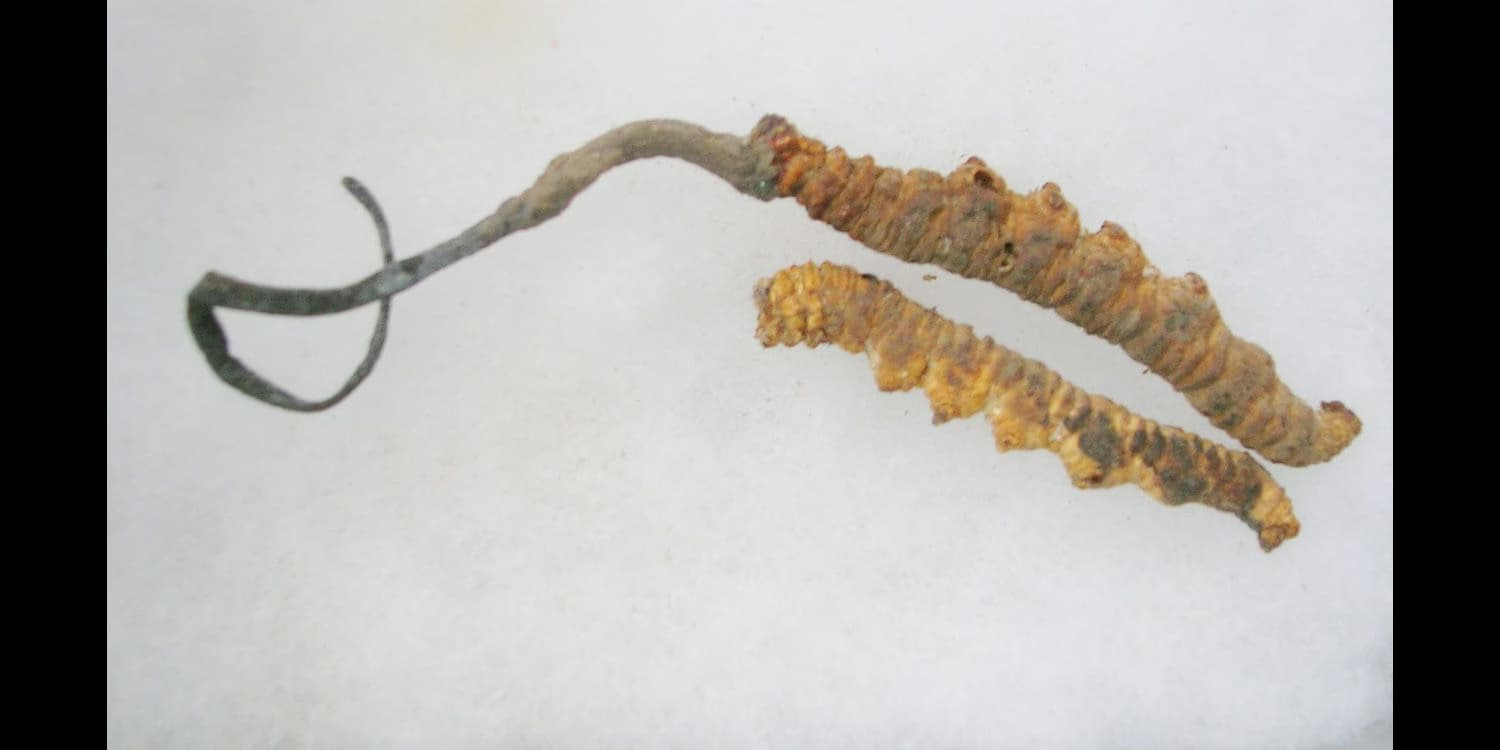
The recent discovery of cordyceps in the lowland forests of Arunachal Pradesh, India, has ignited a flurry of discussions and concerns in Bhutan. Known as the 'golden fungus,' cordyceps is a crucial component of Bhutan's highland economy, revered for its medicinal properties and high market value. The emergence of this valuable fungus in a lower altitude region is challenging long-held beliefs about its exclusive growth in high-altitude Himalayan zones.
The Unusual Discovery 🔍
On May 6, a team of researchers from the Central Agricultural University reported the presence of cordyceps in East Siang district, a region notably below the typical 3,000–4,000 meters elevation where cordyceps are usually found. This "exceptionally unusual" finding has attracted significant scientific interest, as it could redefine the ecological parameters of cordyceps habitats. Molecular analysis and preliminary identification are currently underway to ascertain whether this lowland variety belongs to a known species or represents a new taxon.
Economic Implications for Bhutan 📉
Bhutan's economy heavily relies on the export of Ophiocordyceps sinensis, a species lauded for its medicinal value. The fungus has been a legal trade commodity since 2004, supporting education, healthcare, and infrastructure in highland communities. However, the potential for similar fungi to be harvested in India could impact Bhutan's market dominance.
Bhutan's Strategic Response
To maintain its premium status, Bhutan is enhancing its marketing strategies through branding, certification, and value addition. Initiatives like producing cordyceps-based products such as tea and capsules, alongside improved packaging, are underway. The government is also considering Geographical Indication (GI) labeling to solidify the uniqueness of Bhutanese cordyceps.
Scientific and Environmental Concerns 🌏
The appearance of cordyceps in lower altitudes may signal broader ecological changes, potentially linked to climate change. Bhutan's Ministry of Energy and Natural Resources (MoENR) has noted alterations in snowfall patterns and yields, indicating a shift in alpine ecosystems. Such changes could affect the availability and quality of cordyceps in traditional highland areas.
Conservation Efforts
Despite these challenges, Bhutan is committed to sustainable harvesting practices. The Forest and Nature Conservation Rules and Regulations 2023 and the Cordyceps Collection Rules 2026 enforce strict guidelines, including prohibiting mechanical tools to preserve the fungi's natural habitats.
The Future of Cordyceps in Bhutan 🔮
While Bhutan's cordyceps industry faces potential threats, it also presents opportunities for innovation and collaboration. The lack of formal cross-border research with India highlights the need for cooperative efforts as ecological conditions evolve. Bhutan's diversification initiatives, such as highland livestock and ecotourism, remain critical yet underdeveloped strategies for reducing dependency on cordyceps.
Key Takeaways
- Scientific Discovery: Lowland cordyceps in India could redefine ecological understanding.
- Economic Impact: Bhutan's fungus economy may face competition.
- Strategic Measures: Branding and certification could protect market position.
- Environmental Shifts: Climate change poses challenges and requires adaptive strategies.
Moving forward, Bhutan's ability to adapt and innovate will be crucial in maintaining its foothold in the global cordyceps market. Continued research, strategic marketing, and environmental stewardship will be essential in navigating this complex landscape. 🌟
You May Also Like
News
Women Entrepreneurs Master AI and Digital Tools in Phuentsholing
September 1, 2026
News
Can Samtse Keep Up With Its Growing Workforce?
August 29, 2026
News
Nepal Flood Exposes Critical Gaps in Bhutan's Early Warning Systems
August 29, 2026
News
High Court Overturns Acquittal: Doctor Sentenced to 10 Years for Child Sexual Abuse
August 29, 2026