Category:
NewsThe Legacy of Bhutan's Belgian Rattlesnakes
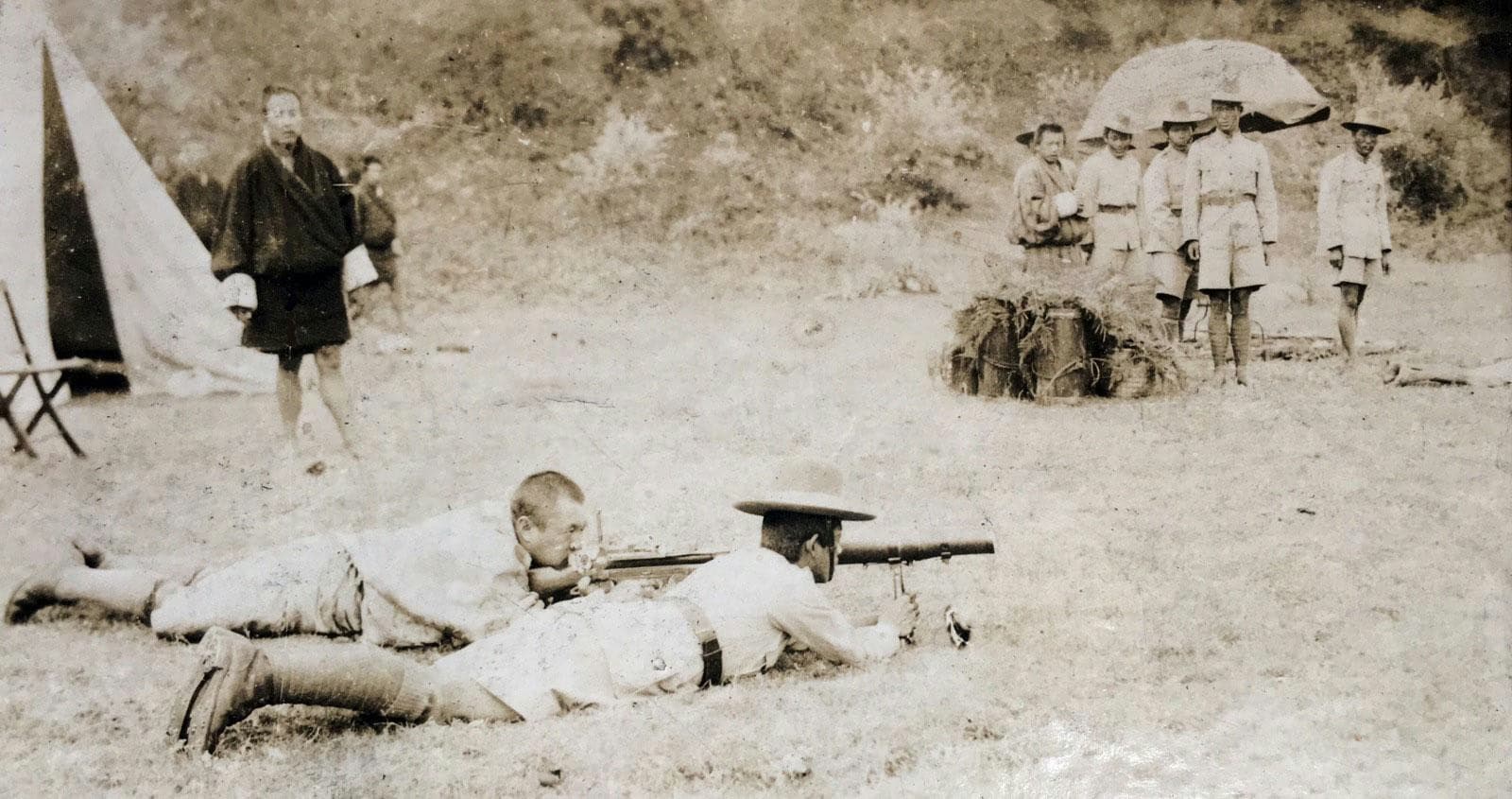
A Historical Artifact with a Roaring Past 🎯
In the heart of Thimphu, Bhutan's capital, two vintage Lewis guns stand as silent sentinels at the entrance of an officer's mess. While these relics might seem like mere remnants of the past, they embody a significant chapter in Bhutan's journey towards military modernization. Their story is intertwined with the strategic foresight of Bhutan's Second King, His Majesty Jigme Wangchuck, who envisioned a fortified defense system amidst global uncertainties.
The Second King's Bold Vision 📜
The 1930s were a tumultuous time globally. The world was grappling with the aftermath of the Great Depression, Hitler's rise in Germany, and shifting political landscapes. Amidst this chaos, Bhutan's Second King took decisive steps to modernize the nation's defenses. His strategic move was not just about acquiring weaponry but asserting Bhutan's sovereignty in a rapidly changing world.
The Diplomatic Dance of Arms Acquisition 🤝
In 1933, a formal request was made through the British Political Officer in Sikkim for a cache of arms. The negotiations were delicate, reflecting the intricate diplomacy required to secure these weapons. Records from this period reveal a meticulous process, with offers and counteroffers exchanged. The final agreement included 1,500 rifles, 100,000 rounds of ammunition, a mountain gun, and the iconic Lewis guns.
The Belgian Rattlesnake: A Fearsome Reputation 🐍
The Lewis gun, often referred to as the "Belgian Rattlesnake," became renowned for its rapid-fire capability during World War I. Invented by U.S. Army Colonel Isaac Newton Lewis, the gun was initially rejected by the U.S. military but gained acclaim in Europe. Its distinctive design featured a top-mounted pan magazine and an aluminum cooling shroud, making it a formidable weapon on the battlefield.
From Europe to Bhutan: A Logistical Feat 🚚
Transporting these weapons to Bhutan was no small feat. With no motor roads, each piece had to be carried by porters or mules over treacherous mountain paths. The journey involved intricate packaging and careful planning, highlighting the logistical challenges of the era.
A Modern Military Force Emerges 🌟
The acquisition of these weapons marked the dawn of a modern military force in Bhutan. The Second King's decision to train young men with the Gurkha Rifles demonstrated a forward-thinking approach to national defense. This strategic move laid the groundwork for replacing traditional arms with more advanced weaponry.
Reflecting on a Legacy 📜
Today, the Lewis guns stand not just as historical artifacts but as symbols of Bhutan's resilience and strategic foresight. Their presence at the officer's mess in Thimphu serves as a reminder of the nation's journey from a traditional militia system to a modern military force.
Looking Forward: Lessons from the Past 🔍
As Bhutan continues to navigate its path in the modern world, the lessons from its past remain relevant. The story of the "Belgian Rattlesnakes" is not just about military modernization but about the importance of strategic planning and foresight in ensuring national sovereignty.
In conclusion, while the rattling sound of the Lewis guns has long been silenced, their legacy continues to echo in the halls of Bhutan's history. These artifacts remind us of a time when bold decisions shaped the future of a nation, exemplifying the enduring spirit of Bhutan's leadership.
You May Also Like
News
Women Entrepreneurs Master AI and Digital Tools in Phuentsholing
September 1, 2026
News
Can Samtse Keep Up With Its Growing Workforce?
August 29, 2026

News
Nepal Flood Exposes Critical Gaps in Bhutan's Early Warning Systems
August 29, 2026
News
High Court Overturns Acquittal: Doctor Sentenced to 10 Years for Child Sexual Abuse
August 29, 2026