Category:
EconomyNC Calls for Robust Pension & Provident Fund Act
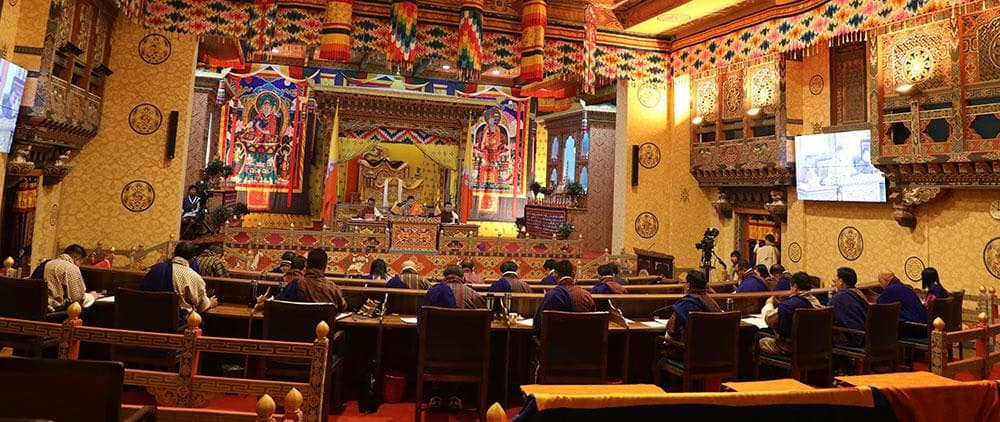
The National Council of Bhutan has taken a significant step towards enhancing the financial security of its citizens by advocating for a dedicated Pension and Provident Fund Act. This initiative aims to fortify governance, accountability, and operational independence of the National Pension and Provident Fund (NPPF), which manages assets exceeding Nu 73 billion. 🎯
The Need for a Legal Framework
Currently, the NPPF operates under the National Pension and Provident Fund Rules and Regulations of 2002, with amendments in 2013. However, the absence of a comprehensive legislative framework has led to legal ambiguities and governance challenges. The Good Governance Committee (GGC) emphasized that functioning through executive orders without proper legal backing poses risks to pension fund management and retirees’ security. 🔍
International Best Practices
Globally, pension and provident fund institutions are expected to function as independent legal entities supported by clear laws. The lack of such a framework in Bhutan limits the NPPF's autonomy, as major decisions still require approval from the Ministry of Finance. This has implications for pension adequacy and inclusivity, highlighting the need for reform. 🌐
Challenges in the Current System
The committee identified several challenges, including the inadequacy of pension benefits and the long-term sustainability of the pension scheme. Pensions are currently calculated based on basic pay rather than gross pay, which after the 2023 pay revision, accounts for only 47 to 54 percent of gross salary. This results in lower pension payouts and the risk of old-age poverty for some pensioners. 📉
Limited Coverage and Inclusivity
As of March 2026, only 93,111 individuals were covered under pension and provident fund schemes, representing a mere 11.8 percent of the total population. The committee highlighted the need to extend coverage to contract employees and increase participation from the private sector, where only 20 percent of employees are currently covered. 📊
Proposed Reforms
The GGC has recommended revisiting key parameters of the pension system, such as the replacement rate and employee contribution rates. There is also a call to revise pension amounts whenever salaries increase through pay commission revisions, despite existing annual increments. 🛠️
Support for Families and Children
Proposals have been made to continue pension support for children of deceased pension members until they complete their studies. Additionally, revising the eligibility age for spouses to receive pension benefits and providing soft loans to pensioners are under consideration. 👨👩👧👦
Moving Forward
The National Council has accepted recommendations related to revising pension amounts and extending provident fund eligibility to contract employees. The urgency of these reforms is underscored by the need to prevent old-age poverty and ensure financial stability for retirees. 🌟
Conclusion
As Bhutan navigates these proposed changes, the establishment of a dedicated Pension and Provident Fund Act could address existing gaps and pave the way for future reforms. This initiative reflects a commitment to improving the financial well-being of its citizens and aligning with international standards. The review report, along with final recommendations, is set to be adopted by the House on June 15, 2026. 📅
The path forward is clear: a robust legislative framework is essential for securing the future of Bhutan's pension system and ensuring a sustainable financial landscape for all. 🌏
You May Also Like

Economy
Bhutan's Bold Vision: Two USD 50M Enterprises by 2030
September 27, 2026
Economy
Mega Dry Port in Pasakha: Bhutan's Trade Revolution
September 25, 2026

Economy
Fixed Deposit Tax Withholding: What You Need to Know
September 13, 2026
Economy
DRC's QR Payment Innovation: Tracking Business Income
September 2, 2026