Category:
EconomyGST Debate Heats Up Amid Rising Inflation
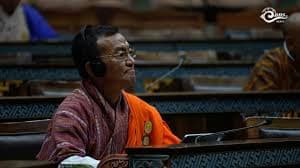
The Goods and Services Tax (GST) has become a hot topic of debate in Bhutan as inflation continues to rise 📈. Introduced five months ago to replace the Bhutan Sales Tax, the GST was initially expected to lower costs for consumers. However, the reality seems to be quite different.
The Inflationary Trend 🔍
Recent statistics from the National Statistics Bureau reveal a worrying upward trend in inflation. From October to December last year, inflation hovered around 3.5% to 4%. This year, it jumped to 6.07% by March. Food inflation has been particularly sharp, with prices of non-alcoholic beverages and food rising by 5.40% and alcoholic beverages by a staggering 26.19%.
Factors Beyond GST
GST Commissioner Kuenzang Thinley emphasizes that the inflationary pressures cannot be attributed solely to GST. Bhutan's heavy reliance on imports, especially from India, plays a significant role in domestic price fluctuations.
“It is impossible to attribute current inflation solely to GST, given the convergence of multiple economic factors,” says Thinley.
Proposed GST Amendments 🛠️
In response to these challenges, Finance Minister Lekey Dorji has proposed amendments to the GST system. The amendments aim to expand exemptions on essential goods, increasing the number of exempt items from nine to 31, including edible oils and certain rice varieties.
The Debate Over Exemptions
The efficacy of expanding exemptions is debated. The Department of Revenue and Customs argues that exemptions complicate the tax system and may not necessarily lower retail prices due to the loss of input tax credits. Meanwhile, lawmakers stress the necessity of these exemptions to safeguard consumer interests.
The Broader Economic Impact 🌍
The discussion around GST and inflation is part of a larger conversation about Bhutan's economic policies. As the nation grapples with these issues, it serves as a reminder of the delicate balance needed in policy-making.
Key Takeaways
- Inflation Impact: The GST was meant to streamline taxes but has coincided with rising inflation.
- Policy Amendments: Proposed changes aim to ease consumer burdens but face resistance due to potential complexities.
- Economic Dependencies: Bhutan's reliance on imports significantly affects domestic inflation.
Conclusion: Looking Forward 👀
As Bhutan navigates these economic waters, the debate over GST will likely continue. The government must balance simplifying the tax system with protecting consumer interests. The outcome of this debate will be crucial in shaping Bhutan's economic future.
Stay tuned for further updates as this situation develops and impacts the economic landscape of Bhutan.
You May Also Like
Economy
Bhutan's Bold Vision: Two USD 50M Enterprises by 2030
September 27, 2026
Economy
Mega Dry Port in Pasakha: Bhutan's Trade Revolution
September 25, 2026

Economy
Fixed Deposit Tax Withholding: What You Need to Know
September 13, 2026
Economy
DRC's QR Payment Innovation: Tracking Business Income
September 2, 2026