Category:
NewsNA Endorses Water Shortage Recommendations Ahead of El Niño
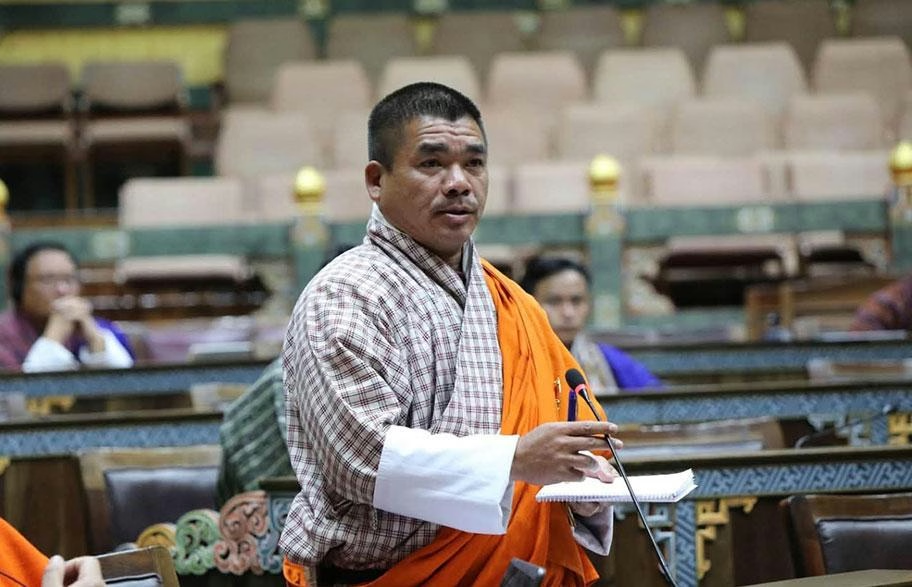
Bhutan's National Assembly has taken a decisive stance on one of the nation's most pressing environmental challenges, formally endorsing critical recommendations to address escalating water scarcity concerns as climate patterns shift dramatically. 🌊 The move comes at a crucial juncture, with the country preparing for the anticipated arrival of El Niño—a climate phenomenon that threatens to exacerbate existing water supply vulnerabilities across multiple regions.
Water Crisis: A Growing National Concern 💧
The Environment and Climate Change Committee presented a comprehensive report detailing the multifaceted water shortage crisis affecting both agricultural and domestic sectors throughout the nation. Despite parliamentary endorsement, the recommendations revealed significant challenges that require immediate and sustained government intervention.
The water shortage issue isn't new to Bhutan's policy agenda. However, the approaching El Niño event has intensified urgency around implementation of concrete solutions. Several dzongkhags—including Samtse, Tsirang, Punakha, and Trashiyangtse—face particularly severe conditions, yet surprisingly few submitted formal water project proposals to the government.
Understanding the Scope of Water Infrastructure 🏗️
Bhutan's commitment to water services spans more than five decades. The Ministry of Infrastructure and Transport revealed that the nation has achieved a remarkable 99.3 percent coverage rate in water service delivery since initiating public investment 52 years ago. This statistic underscores the government's substantial progress in expanding access to water infrastructure across the kingdom.
However, impressive coverage percentages mask deeper infrastructure challenges. The data tells a more nuanced story: while Bumthang—one of three dzongkhags that submitted proposals—reported minimal domestic drinking water shortages, other regions face catastrophic supply gaps. This disconnect between proposal submissions and actual water stress reveals critical governance and communication breakdowns.
The Real Impact: Where Water Shortages Hit Hardest 📊
The committee's investigation covered 106,102 households out of 163,001 nationwide, representing 65.1 percent of the population. This comprehensive assessment unveiled stark regional disparities in water security.
Agricultural Impact:
- Samtse recorded the most devastating agricultural crisis with 3,329.88 acres affected by irrigation shortages
- Punakha follows with 2,279 acres of compromised agricultural land
- Trashiyangtse experiences challenges across 1,509 acres
Domestic Drinking Water Crisis:
- Tsirang faces the greatest hardship with 1,612 households lacking adequate drinking water supply
- Samtse reports 1,329 households struggling with water access
- Tashigang, Chukha, and Bumthang show minimal to no domestic shortages, though localized irrigation problems persist in Samkhar and Radhi gewogs
These disparities highlight how water scarcity doesn't affect Bhutan uniformly—certain communities face existential threats to both food security and basic survival needs.
Six Root Causes of Bhutan's Water Crisis 🔍
The committee identified interconnected factors contributing to the water shortage phenomenon:
- Climate Variability and Source Depletion - Drying water sources exacerbated by changing precipitation patterns
- Infrastructure Deficiencies - Aging systems unable to meet growing demands
- Maintenance and Leakage Issues - Poor upkeep resulting in significant water loss
- Supply Insufficiency - Inadequate capacity relative to population needs
- Environmental Hazards - Floods, landslides, and erosion compromising water systems
- Funding and Demand Pressures - Limited budgets combined with rising user demand and distant water sources
Crucially, the committee discovered that most water projects prioritize new infrastructure construction while neglecting maintenance and renovation of existing systems. This short-sighted approach perpetuates inefficiency and wastes precious resources.
The Lift Irrigation Challenge ⚡
One particularly troubling issue involves lift irrigation schemes and pumping systems. In certain gewogs, farmers bear the full electricity cost for operating these essential systems, creating unsustainable financial burdens on agricultural communities already stressed by water scarcity.
The committee recommended that the government explore full or subsidized electricity tariffs for lift irrigation schemes and water pumps. This targeted intervention could provide meaningful relief to affected farming communities while maintaining agricultural productivity during water-stressed periods.
Parliamentary Endorsement with Reservations 🏛️
While the National Assembly formally endorsed the recommendations, the voting results revealed significant hesitation among Members of Parliament. When put to a show of hands, most MPs withheld their support, indicating deeper concerns about implementation feasibility or political disagreements regarding proposed solutions.
The ECCC Chairperson requested additional time to re-discuss the report before final submission, but the Deputy Speaker and Opposition Leader denied this request, citing two days of thorough discussion as sufficient deliberation.
Key Recommendations for Water Security 🎯
The committee proposed several strategic interventions to address Bhutan's water challenges:
Legislative Action:
- Expedite tabling of the Water Bill to establish comprehensive water governance frameworks
Infrastructure Assessment:
- Require all dzongkhags, thromdes, and gewogs to assess their water infrastructure conditions
- Submit findings to Parliament by September 2027 with Ministry technical guidance
Financial and Resource Allocation:
- Prioritize funding for natural and built water storage in water-scarce regions
- Implement subsidized electricity tariffs for lift irrigation and pumping systems
Climate Resilience:
- Formally implement the Drought Response Plan to ensure water security during extreme El Niño events
- Explore modern technology solutions for communities facing severe shortages
El Niño: The Looming Climate Threat 🌍
El Niño represents a significant climate phenomenon characterized by warming ocean temperatures in the equatorial Pacific, triggering global weather pattern disruptions. For Bhutan, El Niño typically brings altered precipitation patterns, reduced rainfall in traditionally wet regions, and extended dry periods—conditions that directly threaten water availability.
The timing of these water shortage recommendations couldn't be more critical. As El Niño approaches, implementing these measures becomes essential for protecting both agricultural productivity and domestic water security across the nation.
The Data Gap Problem 📈
A concerning limitation emerged during the committee's investigation: 34.9 percent of households (56,899 out of 163,001) had no data on water status. Additionally, three dzongkhags—Lhuentse, Dagana, and Thimphu—provided no information about water issues or progress in their regions.
This information gap complicates comprehensive water management planning and suggests inconsistent data collection and reporting across administrative divisions. Addressing this data deficiency should become a priority for future water security initiatives.
Moving Forward: Implementation Challenges Ahead ⚙️
The parliamentary endorsement represents an important symbolic commitment, but real progress depends on effective implementation. The government must navigate several challenges:
- Securing adequate funding for both new infrastructure and maintenance programs
- Coordinating across multiple ministries and local administrations
- Balancing immediate relief measures with long-term water security infrastructure
- Ensuring equitable resource distribution among affected regions
- Monitoring implementation through September 2027 and beyond
Conclusion: A Watershed Moment for Bhutan 🌟
Bhutan stands at a critical juncture regarding water security. The National Assembly's endorsement of the Environment and Climate Change Committee's recommendations signals governmental recognition of the crisis and commitment to action. However, parliamentary support alone won't resolve the complex infrastructure, governance, and climate challenges threatening the nation's water supply.
As El Niño approaches and water stress intensifies, implementation of these recommendations becomes imperative. The government must accelerate the Water Bill, ensure comprehensive infrastructure assessments, and allocate sufficient resources to vulnerable regions. Success requires coordinated effort across all administrative levels, sustained funding commitments, and innovative technological solutions.
Bhutan's water security directly impacts national food security, economic stability, and citizen wellbeing. The recommendations endorsed by Parliament provide a roadmap forward, but the true test lies in translating policy into tangible improvements for the 1.6 million people depending on reliable water access. 💪
You May Also Like
News
Bhutan's Fencing Programme Falls Short: Smallholders Left Behind
November 28, 2026
News
Police Arrest Suspect in Kabesa Rape and Murder Case
November 27, 2026
News
Building Safety Every Day: Bhutan's Fight Against Gender Violence
November 25, 2026
News
550MW Dorokha Hydropower Project Set for 2035 Construction
November 25, 2026