Category:
News550MW Dorokha Hydropower Project Set for 2035 Construction
Bhutan's Ambitious Hydropower Expansion Takes Shape ⚡
Bhutan stands at a pivotal moment in its energy development journey. The nation is preparing to launch one of its most significant hydropower initiatives in recent years—the 550-megawatt Dorokha hydropower project—with construction anticipated to commence by July 2035. This ambitious undertaking represents far more than just another dam; it symbolizes Bhutan's strategic commitment to leveraging its vast water resources while simultaneously catalyzing economic transformation in one of the country's most remote regions.
The Dorokha hydropower project has captured the imagination of both policymakers and local communities, particularly in Samtse and neighboring Haa Dzongkhag. What makes this development particularly noteworthy is the recognition that hydropower expansion serves dual purposes: meeting Bhutan's growing domestic electricity demand while generating substantial export revenue that strengthens the nation's economy.
The Strategic Partnership and Timeline 🤝
India's Adani Group has been identified as the strategic partner for this transformative project, bringing international expertise and resources to the table. The collaboration represents a significant vote of confidence in Bhutan's hydropower sector and reflects the growing recognition of the country's renewable energy potential among global investors.
The implementation roadmap is carefully structured to ensure thorough preparation:
- Preliminary works completion: 2028
- Construction commencement: July 2035
- Project phase: Part of Power System Master Plan 2040
The Detailed Project Report (DPR) has already been completed by Druk Green Power Corporation, marking a crucial milestone in the project's advancement. This comprehensive assessment provides the technical and financial blueprint necessary for successful execution.
Understanding the Project's Technical Specifications 🏗️
The Dorokha hydropower project boasts impressive engineering parameters that underscore its significance. The facility will feature an 84-meter-high dam—a substantial structure designed to harness the region's water resources efficiently. A 13-kilometer headrace tunnel will channel water from the intake to the power generation facility, demonstrating the sophisticated engineering approach required for such developments.
These technical specifications are not arbitrary; they represent years of hydrological studies, geological surveys, and engineering analysis to optimize power generation while minimizing environmental impact. The scale of this project places it among Bhutan's major hydropower developments, comparable in ambition to other recent installations.
Bhutan's Hydropower Potential Remains Largely Untapped 💧
The Dorokha project must be understood within the broader context of Bhutan's extraordinary hydropower resources. According to the Power System Master Plan 2040, the nation possesses approximately 33,000 megawatts of hydropower potential—a staggering figure that highlights just how early Bhutan is in its energy development journey.
Currently, only about 13 percent of this potential has been harnessed, which translates to roughly 3,500 megawatts already developed. This substantial gap between potential and current utilization presents both an opportunity and a responsibility. Bhutan has the capacity to become a regional energy powerhouse while maintaining its commitment to environmental sustainability and climate action.
The development pipeline is robust:
- Operational capacity: ~3,500MW
- Currently under construction: ~3,500MW
- Approved or tendered projects: ~18,000MW
- Remaining untapped potential: ~8,000MW
This pipeline demonstrates Bhutan's serious commitment to systematic hydropower development over the coming decades.
Socioeconomic Transformation for Remote Communities 🌟
Beyond energy generation, the Dorokha hydropower project promises substantial socioeconomic benefits for one of Bhutan's most geographically isolated regions. Samtse and Haa Dzongkhag have historically struggled with limited infrastructure, restricted economic opportunities, and population migration to more developed areas.
Local communities have long advocated for development initiatives that would enhance connectivity and create employment opportunities. The hydropower project directly addresses these aspirations by promising:
- Direct employment during construction and operations phases
- Local business opportunities through supply chain development
- Infrastructure improvements including roads and facilities
- Skills development and training programs for the workforce
- Tax revenue contributing to local development initiatives
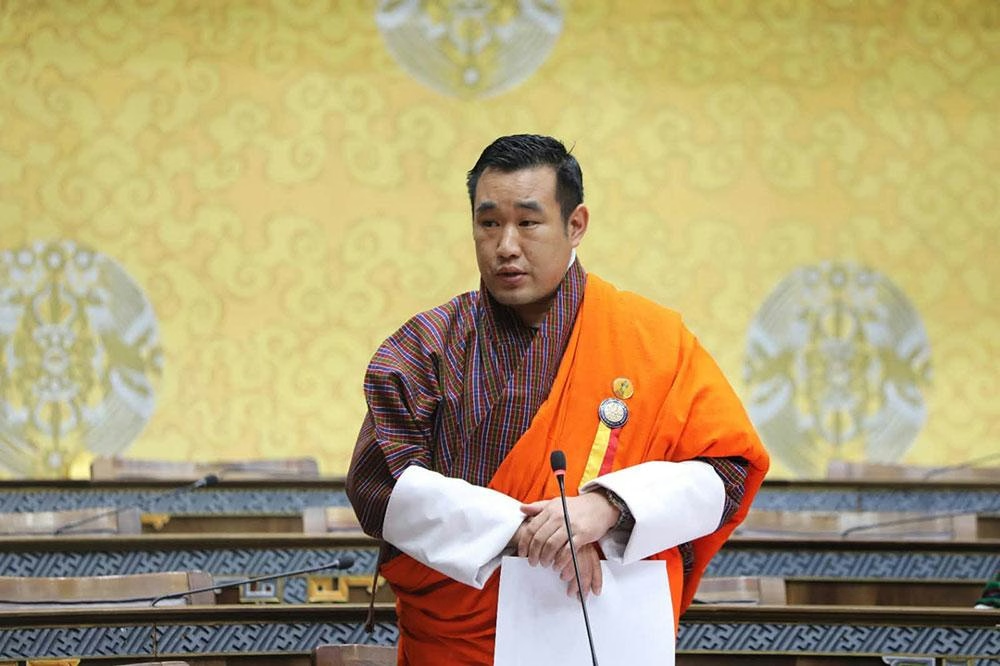
MP Ugyen Lama, representing Dophuchen-Tading, has been instrumental in advocating for this project, recognizing its transformative potential for his constituents. His parliamentary engagement demonstrates how hydropower development intersects with grassroots development aspirations and political accountability.
Alignment with National Energy Policy 📋
The Dorokha project doesn't exist in isolation; it forms an integral component of Bhutan's comprehensive energy strategy. Three key policy documents guide this development:
Power System Master Plan 2040 provides the overarching framework for hydropower expansion, ensuring projects align with long-term national energy security objectives.
Renewable Energy Development Roadmap 2024 emphasizes Bhutan's commitment to clean energy and positions hydropower as the cornerstone of the nation's renewable energy future.
National Energy Policy 2025 reflects the most current thinking on energy development, sustainability, and economic benefits derived from resource management.
These policy instruments demonstrate that Bhutan approaches hydropower development with sophisticated strategic planning rather than ad-hoc project implementation.
The Broader Context of Bhutan's Energy Sector 🔋
The Dorokha project arrives at a critical juncture for Bhutan's energy sector. The nation has successfully established itself as a regional energy exporter, with electricity generation representing a significant revenue stream. However, meeting domestic demand while maintaining export capacity requires continuous expansion of generation facilities.
Recent major developments like the Punatsangchhu-II project demonstrate Bhutan's technical capacity to execute complex hydropower installations. The lessons learned from such projects inform the planning and execution strategies for newer developments like Dorokha.
The timing of the Dorokha project is particularly significant as Bhutan navigates the global energy transition. While the world shifts toward renewable energy sources, Bhutan's hydropower resources position the nation advantageously for both domestic energy security and regional energy cooperation.
Implementation Challenges and Opportunities 🎯
Executing a 550-megawatt hydropower project in a remote, mountainous region presents substantial technical and logistical challenges. The 13-kilometer headrace tunnel alone represents a significant engineering undertaking requiring specialized expertise and equipment.
However, these challenges also present opportunities for:
- Technology transfer and skills development within Bhutan
- Local contractor participation and business development
- Environmental monitoring and adaptive management practices
- Community engagement and benefit-sharing mechanisms
The involvement of an experienced international partner like Adani Group helps mitigate execution risks while ensuring best practices are applied throughout the project lifecycle.
Looking Ahead: 2035 and Beyond 🚀
The preliminary works completion target of 2028 provides a seven-year window for site preparation, equipment procurement, workforce mobilization, and logistical arrangements. This timeline, while ambitious, reflects realistic assessment of what's achievable with adequate planning and resources.
The 2035 construction commencement date marks the beginning of the most intensive phase of the project, during which the region will experience significant transformation. Construction employment will likely attract workers from across Bhutan and potentially from neighboring regions, creating temporary economic stimulus.
Once operational, the Dorokha facility will generate approximately 550 megawatts of clean, renewable electricity—sufficient to power a city of several hundred thousand people or provide substantial export capacity to regional markets.
Conclusion: A Catalyst for Transformation 💫
The 550-megawatt Dorokha hydropower project represents more than an infrastructure development; it embodies Bhutan's vision for sustainable prosperity. By harnessing less than 1 percent of its remaining untapped hydropower potential, Bhutan continues its journey toward energy abundance while creating opportunities for communities that have long awaited development.
With preliminary works targeted for completion by 2028 and construction commencing in 2035, the project timeline reflects careful planning and realistic implementation strategies. The involvement of Adani Group as a strategic partner brings global expertise to a uniquely Bhutanese challenge.
As Bhutan continues expanding its hydropower capacity, projects like Dorokha demonstrate that energy development and regional equity need not be mutually exclusive. The transformation of remote communities, coupled with national energy security and export revenue generation, positions hydropower as the cornerstone of Bhutan's sustainable development agenda for decades to come.
You May Also Like
News
Building Safety Every Day: Bhutan's Fight Against Gender Violence
November 25, 2026
News
CSO Authority Deregisters MBRC Over Land Purchase Irregularities
November 25, 2026
News
MRMS: How Bhutan's New System Transforms Media Communication
November 25, 2026
News
Bhutan's Vision for Inclusive Future on World Children's Day
November 21, 2026