Category:
EducationNA Endorses Key Recommendations to Boost ECCD Access

🎯 Early Childhood Care and Development Gets a Major Boost
Bhutan's National Assembly has thrown its weight behind a comprehensive set of recommendations designed to dramatically improve access to Early Childhood Care and Development (ECCD) services across the nation. This landmark endorsement signals a significant commitment to ensuring that every child, regardless of where they live, receives quality early education and care during their critical formative years.
The push to enhance ECCD access comes at a crucial time when the nation recognizes that early childhood experiences lay the foundation for lifelong learning and development. 🌟 With children spending their formative years in ECCD settings, the quality and accessibility of these services directly impact educational outcomes and social development across the country.
📊 Comprehensive Assessment Reveals Systemic Challenges
A thorough review of ECCD services across Bhutan involved visiting 27 different centres spread across seven districts, providing an in-depth look at the current state of early childhood education infrastructure. This extensive fieldwork uncovered several pressing challenges that have long hindered families' access to quality ECCD services.

The assessment painted a clear picture of inequality in service delivery. Children living in remote and rural communities face significant obstacles in reaching ECCD centres, with transportation barriers creating a substantial gap between urban and rural access. Meanwhile, staff shortages have become so acute in some facilities that centres have been forced to close temporarily when operating with only a single facilitator—a situation that leaves families without options and disrupts children's learning continuity. 💔
Key Challenges Identified
- Geographic barriers: Remote families struggle with transportation logistics
- Financial constraints: Many families cannot afford meal and transport costs
- Staffing gaps: Insufficient facilitators leading to temporary closures
- Infrastructure limitations: Inadequate facilities and support for children with disabilities
- Urban demand: Higher-density areas facing capacity pressures
💡 Strategic Recommendations for Transformation
The National Assembly has endorsed a forward-thinking set of recommendations that address these challenges comprehensively. Rather than applying a one-size-fits-all approach, the recommendations recognize that different communities have different needs and require tailored solutions. ✨
Workforce expansion stands as a cornerstone recommendation, with calls for recruiting additional qualified facilitators to address current shortages. Beyond mere recruitment, the recommendations emphasize ensuring greater job security for ECCD staff—a critical factor in retaining experienced educators and building a stable workforce.
The recommendations also advocate for expanding home-based services, recognizing that not all families can access centre-based care due to geographic or economic constraints. This innovative approach brings early childhood support directly to families in their communities, ensuring no child is left behind simply due to location or circumstance.
Proposed Improvements
- Recruit additional ECCD facilitators to eliminate staffing shortages
- Enhance job security for ECCD professionals through better contracts and benefits
- Expand home-based services for remote and underserved communities
- Upgrade facilities to meet modern standards
- Strengthen support systems for children with disabilities
- Improve accessibility infrastructure for remote areas
🏘️ Understanding Diverse Community Needs
Lhaba Lhaba, the Committee Chairperson, articulated a crucial insight that shaped the recommendations: families face fundamentally different challenges depending on their geographic location and socioeconomic circumstances. This recognition of diversity is essential for crafting effective policy solutions. 🌍
Remote families contend with transportation barriers that make regular centre attendance nearly impossible. Some families lack the financial resources to cover meal costs and transport expenses—barriers that prevent children from accessing services even when centres exist nearby. In contrast, urban centres grapple with the opposite problem: overwhelming demand that strains existing capacity and resources.
This nuanced understanding has informed a differentiated approach that acknowledges these varying realities rather than imposing uniform solutions across diverse contexts.
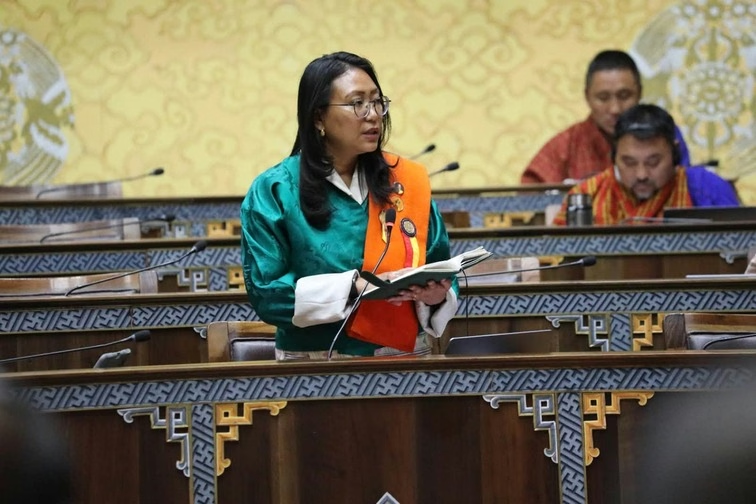
🎓 Government's Commitment to Universal ECCD Access
Education and Skills Development Minister Yeezang De Thapa has articulated the government's commitment to sustaining early learning support even in communities with smaller child populations. This represents a significant policy stance that prioritizes equity over pure efficiency metrics. 🚀
The government's strategy employs a flexible, context-responsive model. In communities where child populations are smaller, the government will continue supporting early learning through home-based services, ensuring that geography doesn't determine educational opportunity. This approach recognizes that even small communities deserve access to quality early childhood support.
For areas with higher concentrations of children, the government will establish dedicated ECCD centres, allowing for more intensive services and specialized support. This tiered approach maximizes resource efficiency while maintaining universal access principles.
The "Chiwog School" Model
A particularly innovative aspect of the government's approach involves recognizing community-based learning units through the third grade level. By designating these as "Chiwog schools," the government ensures children can continue their early education while remaining with their families in their home communities. This model strikes a balance between formal education standards and family-centered learning, particularly valuable for remote areas where boarding or long-distance commuting would be impractical. 🏡
📈 Why ECCD Access Matters: The Bigger Picture
The push to improve ECCD access reflects growing global recognition of early childhood's critical importance. Research consistently demonstrates that quality early childhood experiences lead to better academic outcomes, improved social-emotional development, and enhanced long-term life prospects. 📚
Bhutan's focus on ECCD equity aligns with international development goals and best practices in education policy. By ensuring all children—regardless of socioeconomic status or geographic location—access quality early learning, the nation invests in its human capital and future competitiveness.
The recommendations also address an often-overlooked population: children with disabilities. By specifically calling for improved facilities and support systems for these children, the policy recognizes that true equity means ensuring access for all learners, including those with additional needs.
🔮 What's Next: Implementation and Impact
With National Assembly endorsement secured, the comprehensive report detailing these recommendations will now move to the government for formal consideration and implementation planning. This transition from recommendation to action represents a critical juncture where policy intent must translate into concrete resources and systemic changes. ⚡
The implementation phase will require:
- Budget allocation for recruiting and training new facilitators
- Infrastructure development in underserved areas
- Professional development programs for existing and new staff
- Monitoring and evaluation systems to track progress
- Community engagement initiatives to build support for home-based services
✅ Key Takeaways
Bhutan's commitment to improving ECCD access represents a transformative investment in the nation's future. By addressing geographic barriers, financial constraints, and staffing challenges through comprehensive recommendations, the country signals that early childhood education is not a luxury but a fundamental right.
The differentiated approach—combining centre-based services for high-density areas with home-based services for remote communities—demonstrates sophisticated policy thinking that respects local contexts while maintaining quality standards. With government backing and National Assembly endorsement, these recommendations have the potential to reshape early childhood education delivery across Bhutan, ensuring that every child gets the best possible start in life. 🌟
The coming months will be crucial as implementation begins. Communities, educators, and families will watch closely to see how quickly these recommendations translate into tangible improvements in ECCD access and quality.
You May Also Like

Education
Home-Based Early Childhood Intervention Shows Transformative Impact
November 25, 2026

Education
College Stipend Increase: What Students Need to Know
November 21, 2026
Education
Education Must Rise Above Political Whims
November 21, 2026

Education
Technical Training Institutes Launch New Courses for Job Market Alignment
November 20, 2026