Category:
EducationCollege Stipend Increase: What Students Need to Know
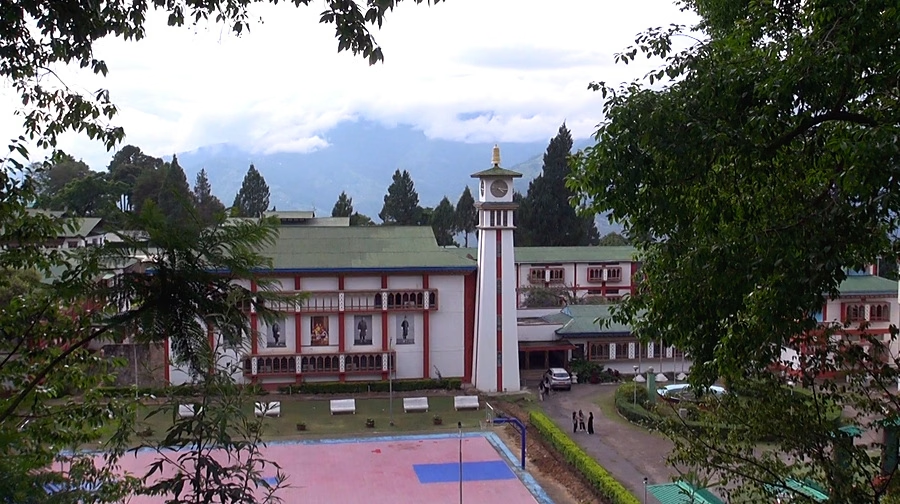
The Wait for Financial Relief Continues 💫
Bhutanese college students find themselves in a period of uncertainty as the government deliberates on a significant proposal that could reshape their financial landscape. The Royal University of Bhutan (RUB) has formally requested a substantial increase in monthly student stipends, marking the first major revision in nearly five years. This development comes at a critical time when the cost of living has climbed considerably, placing additional pressure on students and their families.
The current stipend structure has remained unchanged since 2019, leaving many students struggling to meet their basic needs. The proposed increase represents not just a number adjustment, but a recognition of the evolving economic realities facing tertiary education in Bhutan.
Understanding the Proposal: Numbers and Context 📊
The RUB submitted its comprehensive proposal to the finance ministry in February, requesting an increase in monthly stipends from the current Nu 2,500 to a range extending up to Nu 6,500. This potential 160% increase reflects the institution's assessment of how student purchasing power has eroded over the past five years.
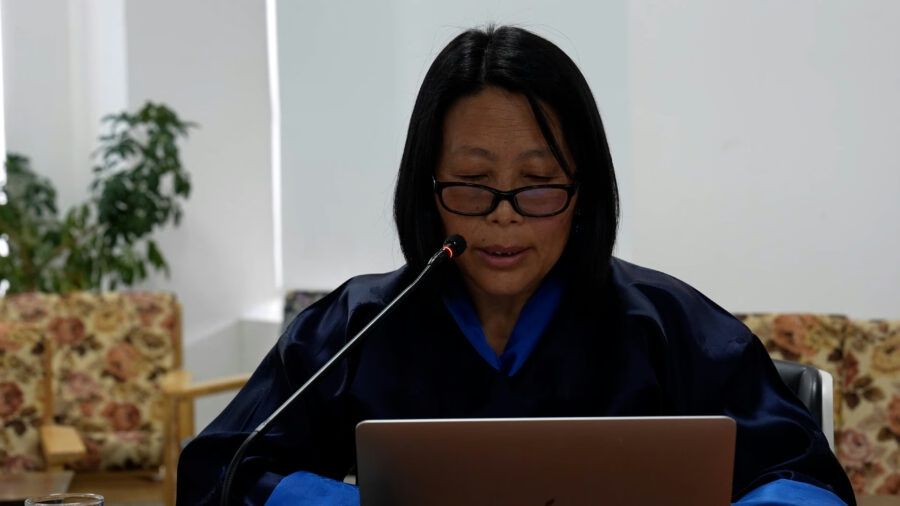
While the figures might seem substantial on paper, they align with documented increases in accommodation costs, meal expenses, and educational materials across Bhutan's urban centers. Students report that their current stipends barely cover half of their monthly expenditures, forcing many to seek part-time work or rely on family contributions.
The Broader Review Process 🔍
The government is not approaching this decision in isolation. Finance Secretary Leki Wangmo emphasized during recent communications that the stipend review is part of a comprehensive examination of Bhutan's entire tertiary education financing framework. This holistic approach involves three major institutions:
- Royal University of Bhutan (RUB)
- Khesar Gyalpo University of Medical Sciences of Bhutan
- Jigme Singye Wangchuck School of Law
Each institution is currently reviewing its scholarship modalities and will submit consolidated recommendations to the government. Only after receiving these comprehensive submissions will the finance ministry make decisions regarding stipend adjustments.
Global Perspectives on Student Support Systems 🌍
The government's deliberative approach reflects international best practices in tertiary education financing. Finance Secretary Wangmo highlighted how different countries employ varying models:
Public Subsidy Models: Some nations provide extensive government funding, covering tuition, accommodation, and living expenses for all students regardless of financial background.
Shared Responsibility Models: Other countries implement cost-sharing arrangements where governments, students, and families each contribute proportionally to education expenses.
Means-Tested Support: Progressive systems differentiate financial assistance based on individual student circumstances rather than providing uniform support across all demographics.
Bhutan is at a critical juncture where policymakers must decide which model best serves the nation's development goals and fiscal capacity.
Beyond Stipends: The Full Picture of Government Support 💰
A crucial point often overlooked in stipend discussions is the comprehensive nature of government investment in tertiary education. The finance ministry's support extends far beyond the monthly Nu 2,500 stipend payment.
The government's contributions include:
- Tuition fee coverage for enrolled students
- Capital investments in university infrastructure and facilities
- Equipment and technology for educational institutions
- Operational subsidies supporting day-to-day university functions
- Facility maintenance and development across all tertiary institutions
- Additional student benefits and support programs
When calculated comprehensively, the per-student government investment significantly exceeds what appears in monthly stipend figures. This broader context is essential when evaluating the true cost of tertiary education to public finances.
The Rising Cost of Living Challenge ⚡
The proposal for increased stipends directly addresses the documented reality of inflation in Bhutan. Since 2019, prices for essential items have risen substantially, affecting students' ability to afford accommodation, food, transportation, and study materials.
Key factors driving the need for stipend revision include:
- Increased rental costs in university towns
- Higher prices for basic foodstuffs and groceries
- Growing expenses for digital learning tools and internet connectivity
- Transportation cost increases
- Medical and healthcare expenses
Students report that their purchasing power has declined approximately 30-40% over the past five years, making the status quo increasingly untenable.
A Progressive Approach to Financial Assistance 🎯
The government appears committed to developing a more progressive scholarship system that considers individual student circumstances. Rather than providing identical support to all students regardless of need, a progressive model would target assistance to those who require it most.
This approach could involve:
- Income-based assessments determining support levels
- Merit-based scholarships for high-achieving students
- Targeted support for students from economically disadvantaged backgrounds
- Differentiated assistance based on field of study and career prospects
- Performance incentives encouraging academic excellence
Such a system would maximize the impact of government resources while promoting equitable access to tertiary education.
Timeline and Next Steps ⏰
While the government acknowledges the urgency of the situation, no confirmed timeline has been established for final decisions. The process involves multiple stages:
- Individual institutions complete their scholarship modality reviews
- Institutions submit consolidated recommendations to government
- Finance ministry evaluates proposals within broader policy framework
- Cabinet considers recommendations and policy implications
- Implementation and communication of decisions
This deliberative process, while potentially frustrating for students awaiting relief, ensures that decisions are made thoughtfully and sustainably.
What This Means for Students and Families 👨🎓
For current and prospective college students, this period of review presents both uncertainty and hope. The government's acknowledgment of rising living costs signals genuine concern for student welfare. However, the extended timeline means students cannot immediately count on increased stipends for their financial planning.
Students should:
- Continue seeking alternative funding sources and part-time employment opportunities
- Explore scholarship programs from private organizations and NGOs
- Engage with student unions to advocate for timely policy decisions
- Plan budgets conservatively based on current stipend levels
- Document personal experiences with financial challenges for policy advocacy
The Bigger Picture: Investing in Bhutan's Future 🚀
The decision on college stipend increases ultimately reflects Bhutan's commitment to developing human capital. Tertiary education represents a crucial investment in the nation's future workforce, innovation capacity, and socioeconomic development.
Government investment in student support directly correlates with educational outcomes, completion rates, and graduate productivity. When students can focus on their studies without constant financial stress, they perform better academically and contribute more effectively to society upon graduation.
Looking Forward: Key Takeaways 🌟
The college stipend increase awaiting government decision represents more than a simple budgetary adjustment. It reflects Bhutan's evolving approach to tertiary education financing and its commitment to supporting student success.
Key points to remember:
- The proposed increase from Nu 2,500 to up to Nu 6,500 represents the first major revision since 2019
- The government is conducting a comprehensive review of the entire scholarship framework
- Final decisions will consider how Bhutan balances public investment with sustainable fiscal policy
- Government support for tertiary education extends far beyond monthly stipends
- A more progressive, need-based system may emerge from this review
- Students should continue seeking alternative support while awaiting policy decisions
As Bhutan navigates these important policy decisions, stakeholders—students, families, educators, and policymakers—must work collaboratively to create a sustainable, equitable system that enables talented individuals to pursue higher education regardless of economic background. The outcome of this review will shape educational opportunities for generations of Bhutanese students to come.
You May Also Like
Education
Education Must Rise Above Political Whims
November 21, 2026
Education
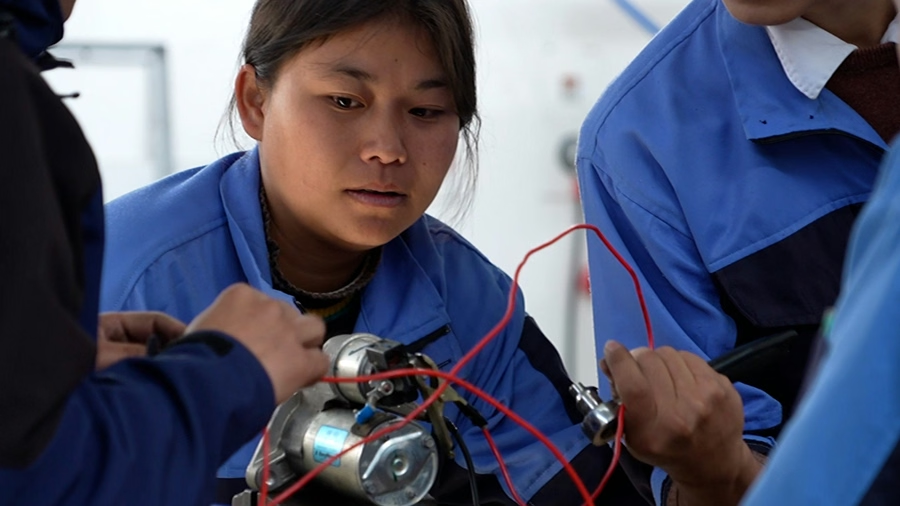
Technical Training Institutes Launch New Courses for Job Market Alignment
November 20, 2026
Education
New Professional Recognition System Transforms Teacher Assessment
November 19, 2026
Education
Teaching Professionals Council Launches to Strengthen Teaching Standards
November 19, 2026