Category:
NewsMade in Nepal: A Billionaire's Blueprint for Nation Building
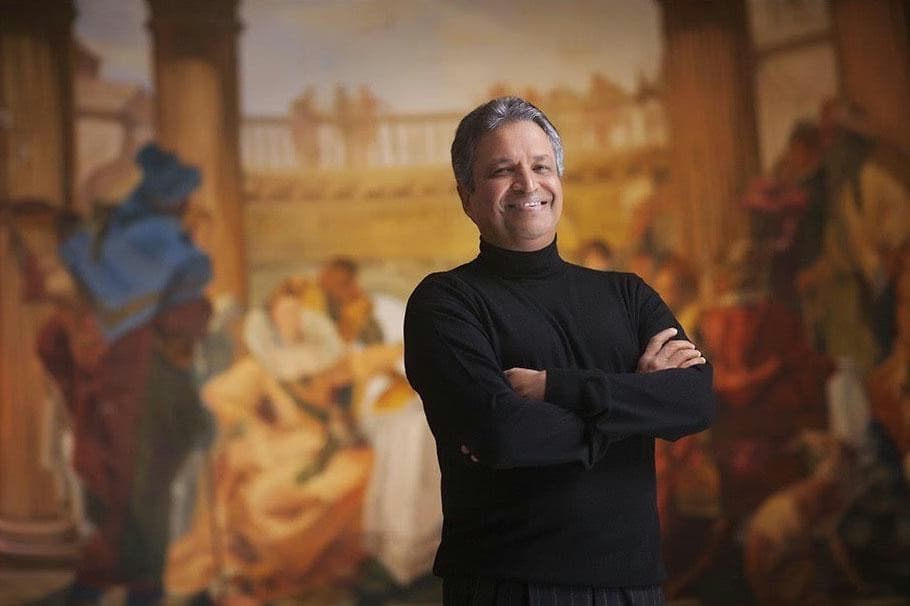
Nepal's Entrepreneurial Renaissance Through One Man's Story 🚀
When a nation's most successful business leader sits down to chronicle not just his own rise, but the transformation of an entire country, something remarkable emerges. Binod Chaudhary, Nepal's first billionaire, has done exactly that with his compelling memoir that serves as both a personal odyssey and a national narrative. His journey from managing a family enterprise in Kathmandu's bustling streets to commanding a multinational conglomerate speaks volumes about what's possible when vision meets determination.
The story of Nepal's business landscape cannot be told without understanding the individuals who dared to dream beyond borders. Chaudhary's evolution mirrors Nepal's own metamorphosis—from a nation grappling with internal challenges to an emerging player in global commerce.
From Local Operations to Global Recognition 🌍
The CG Corp Global empire, which Chaudhary chairs today, represents far more than just commercial success. The company's flagship product, Wai Wai instant noodles, has transcended its humble origins to become a household staple across Asia and beyond. This transformation illustrates a critical truth about emerging market entrepreneurs: they don't just build businesses; they reshape consumer culture across continents.
What makes this journey particularly instructive is how it demonstrates the potential of Nepal's entrepreneurial ecosystem. When a product conceived and manufactured in Nepal achieves continental recognition, it sends a powerful message to the next generation of business leaders about what's achievable from their homeland.
A Memoir That Captures a Nation in Motion 📖
Chaudhary's latest book, 'Made in Nepal: Lessons in Business Building from the Land of Everest,' represents a departure from traditional business memoirs. Rather than focusing solely on corporate milestones and financial achievements, it weaves together personal experience with the broader narrative of Nepal's transformation during one of the most turbulent decades in recent history.
The memoir's evolution itself tells an important story. Originally conceived as a continuation of his 2013 autobiography, the manuscript underwent significant transformation as unprecedented global and national events unfolded. This adaptive approach reflects the reality of contemporary business leadership—the ability to pivot and respond to changing circumstances.
Navigating Crisis and Building Resilience 💪
The book documents three watershed moments that fundamentally altered Nepal's trajectory. The devastating 2015 earthquake tested the nation's infrastructure and resolve. The subsequent Covid-19 pandemic disrupted global supply chains and forced rapid digital transformation. These weren't merely external challenges; they became catalysts for innovation and adaptation.
For business leaders operating during these periods, the lessons were profound:
- Crisis reveals character: How organizations respond to catastrophe defines their long-term viability
- Supply chain resilience: Global disruptions demonstrated the importance of diversified sourcing and local capacity
- Digital acceleration: The pandemic compressed years of digital transformation into months
- Community responsibility: Business leaders emerged as essential stakeholders in national recovery
Chaudhary's documentation of these periods provides invaluable insights for entrepreneurs navigating uncertain times. His experience suggests that survival during crises requires not just financial reserves, but organizational flexibility and a commitment to stakeholder welfare.
Understanding Nepal's Gen Z Movement 🎯
Perhaps the most compelling addition to Chaudhary's memoir is his analysis of Nepal's Gen Z movement—a phenomenon that represents a fundamental shift in the nation's political and social consciousness. This generation, shaped by digital connectivity and global awareness, brings different expectations and aspirations to the table.
The inclusion of this chapter wasn't planned. As the manuscript prepared for publication, Nepal witnessed this generational awakening. Rather than publishing without this critical context, Chaudhary updated the work to capture the movement's origins, motivations, and potential implications.
What makes this analysis particularly valuable is Chaudhary's perspective as someone who has navigated Nepal's business and political landscape for decades. His observations about what this movement could mean for the country's future trajectory offer seasoned insight rather than superficial commentary.
The Gen Z movement reflects several converging trends:
- Digital empowerment: Social media has given young Nepalis unprecedented organizational capacity
- Global consciousness: Exposure to international standards has raised expectations for governance and opportunity
- Economic anxiety: Limited job creation has driven demands for systemic change
- Political disillusionment: Traditional politics has failed to address youth aspirations
A Prestigious Platform for Important Voices ✨
The book's launch at the Bhutan Echoes Literary Festival in August represented a significant moment. Her Majesty the Queen Mother Dorji Wangmo Wangchuck presided over the launch, lending considerable prestige to the occasion. This wasn't merely a ceremonial event; it represented recognition of the book's importance as both a business chronicle and a national document.
For Chaudhary, this marked his third participation in the festival, indicating a sustained commitment to engaging with the literary community and broader intellectual discourse. The Bhutan Echoes festival has established itself as one of South Asia's most distinctive literary platforms, attracting authors and readers committed to exploring the region's complex narratives.
Cross-Border Business Vision 🤝
Chaudhary's engagement with Bhutan extends beyond literary participation. His business interests now encompass several sectors within Bhutan, developed through partnerships with local collaborators. This cross-border economic integration reflects an emerging trend among South Asian entrepreneurs: viewing the region as an integrated market rather than a collection of isolated economies.
The Gelephu Mindfulness City initiative exemplifies the kind of forward-thinking development that attracts entrepreneurs like Chaudhary. This ambitious project demonstrates how countries can address youth aspirations while preparing for future challenges—precisely the balance Nepal must strike.
These partnerships suggest several important developments:
- Regional integration accelerating: Business leaders are moving beyond national borders to build truly regional enterprises
- Shared development challenges: Nepal and Bhutan face similar questions about youth employment and economic diversification
- Knowledge exchange: Cross-border collaboration facilitates the transfer of business practices and innovation
- Geopolitical significance: Economic ties strengthen regional stability and cooperation
Leadership Lessons for Emerging Markets 🎓
Chaudhary's memoir arrives at a critical moment for Nepal's development. The country faces simultaneous pressures: the need to capitalize on its geographic advantages, the urgency of creating meaningful employment, and the imperative to modernize governance structures.
For aspiring entrepreneurs throughout South Asia, the book offers practical lessons grounded in real experience rather than theoretical frameworks. It demonstrates that building globally competitive enterprises from emerging market bases requires:
- Long-term vision: Success isn't measured in quarters but in decades
- Cultural authenticity: Global brands can retain local identity and values
- Stakeholder engagement: Businesses thrive when they contribute to community development
- Adaptive leadership: Rigidity in strategy leads to obsolescence; flexibility enables survival
Nepal's Transformation Narrative 📊
What distinguishes this memoir from typical business books is its explicit connection between individual entrepreneurial success and national development. Chaudhary recognizes that his journey cannot be separated from Nepal's broader transformation.
The country's business landscape has undergone significant evolution:
- Export diversification: Beyond agriculture, Nepali products now compete globally
- Manufacturing capability: Industrial capacity has expanded substantially
- Technology adoption: Digital transformation is reshaping traditional sectors
- Youth entrepreneurship: A new generation of founders is emerging with global ambitions
These developments didn't happen accidentally. They resulted from pioneers like Chaudhary who demonstrated that Nepal's geography and demographics could support world-class enterprises.
Looking Forward: Nation-Building Through Enterprise 🔮
As Nepal stands at a crossroads, the lessons embedded in Chaudhary's memoir become increasingly relevant. The country must decide whether it will remain primarily a service and tourism economy or develop its manufacturing and innovation capabilities.
The book suggests that this isn't an either-or proposition. Nepal can leverage its tourism appeal while building competitive manufacturing and technology sectors. The key lies in attracting and retaining entrepreneurial talent—precisely what Chaudhary's success story demonstrates is possible.
Chaudhary's reflections on nation-building through enterprise offer a counternarrative to those who view business leaders as disconnected from social responsibility. His engagement with Bhutan, his documentation of Nepal's challenges, and his analysis of the Gen Z movement all reflect a leader who understands that business success and national development are inextricably linked.
The Broader Significance of 'Made in Nepal' 🌟
This memoir matters beyond its commercial appeal or literary merit. It serves as a historical document capturing a crucial period in Nepal's development. Future entrepreneurs, policymakers, and historians will reference it to understand how one nation's business leader navigated unprecedented global disruption while managing domestic transformation.
The book's emphasis on lessons learned—rather than simply celebrating achievements—makes it particularly valuable. Chaudhary openly acknowledges struggles alongside successes, providing honest insight into the entrepreneurial journey.
For readers seeking to understand Nepal's present and future, the memoir offers essential context. It explains how a nation transformed by earthquake, pandemic, and generational change remains positioned for continued development. It demonstrates that Nepal's challenges, while significant, are not insurmountable—provided that business leaders, policymakers, and citizens work toward shared objectives.
Conclusion: A Blueprint for Asian Entrepreneurship 🎬
Bindod Chaudhary's 'Made in Nepal' represents more than one man's success story. It's a blueprint for how emerging market entrepreneurs can build globally competitive enterprises while contributing meaningfully to their nations' development. As Nepal navigates the complex challenges and opportunities of the coming decade, this memoir will serve as both inspiration and practical guide.
The book reminds us that national progress isn't determined solely by government policy or external investment. It emerges when visionary entrepreneurs identify opportunities, build resilient organizations, and maintain unwavering commitment to creating value for customers, employees, and communities. Chaudhary's journey demonstrates that such progress is entirely possible from Nepal—a nation that has already proven it can produce world-class businesses and leaders.
For anyone seeking to understand contemporary Nepal, the forces shaping its future, or the potential of South Asian entrepreneurship, this memoir deserves prominent placement on their reading list.
You May Also Like
News
Women Entrepreneurs Master AI and Digital Tools in Phuentsholing
September 1, 2026
News
Can Samtse Keep Up With Its Growing Workforce?
August 29, 2026

News
Nepal Flood Exposes Critical Gaps in Bhutan's Early Warning Systems
August 29, 2026
News
High Court Overturns Acquittal: Doctor Sentenced to 10 Years for Child Sexual Abuse
August 29, 2026