Category:
NewsFamilies Open Homes to Visitors for Project 108
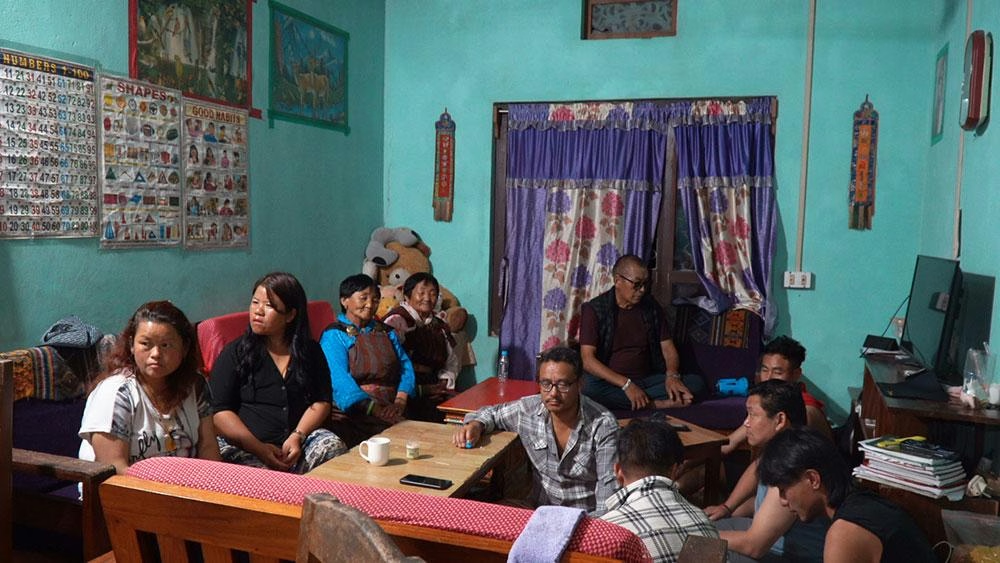
A Historic Gathering: When Communities Embrace Visitors 🏡
Bhutan witnessed an extraordinary moment of national pride when families across Gelephu and surrounding regions opened their doors to accommodate thousands of visitors for Project 108—a momentous occasion marking the construction of 108 sacred chortens. This grassroots hospitality initiative revealed the deep-rooted values of community, generosity, and cultural pride that define Bhutanese society.
The scale of this undertaking was unprecedented for many households. What started as individual family decisions to host relatives and friends evolved into a coordinated national effort that showcased the resilience and adaptability of everyday Bhutanese people. The logistics alone presented fascinating challenges that ordinary families navigated with remarkable ingenuity.
The Challenge of Hospitality: Managing Space and Resources 🏠
For Dorji Lhamo, a Gelephu resident, the occasion presented both an honor and a logistical puzzle. Her home became a temporary hub for 32 relatives and family friends—the largest gathering she had ever orchestrated. With only two functional toilets serving the entire group, creative solutions became essential.
Guests adapted to the constraints with flexibility that reflected the communal spirit of the event. Some family members pitched tents in the outdoor spaces, while others utilized the balcony as sleeping quarters. Dorji Lhamo even coordinated with neighboring households to extend toilet access to her overflow guests—a gesture that exemplified the broader community cooperation surrounding Project 108.
The culinary logistics required strategic planning. Meals were prepared and served in three separate seatings, with elderly guests receiving priority access to dining spaces and food. Rather than placing the burden entirely on the host, visiting relatives took charge of cooking duties, while additional volunteers assisted with vegetable preparation. This collaborative approach transformed meal preparation from a stressful obligation into a shared family responsibility.
Strategic Planning: Six Months of Preparation 📋
Successful hosting didn't happen by accident. Families who accommodated larger groups invested significant effort in advance planning. One group from Chukha, which included Choki Dorji, coordinated their accommodation arrangements six months prior to the historic event. This extended timeline allowed them to designate a coordinator responsible for managing all logistics.
The advance planning proved invaluable. The visiting group established their own temporary kitchen outside the balcony of their host's residence, ensuring they could prepare meals independently without overwhelming the host family's resources. This arrangement transformed the hosting experience into a more balanced partnership between visitors and hosts.
Choki Dorji reflected on the experience, noting that the advance coordination eliminated potential friction points. "We didn't have any problems and felt at home," he shared. "The host made us feel very welcome and comfortable." This testimonial highlights how thoughtful preparation can transform logistical challenges into opportunities for meaningful family connection.
Personal Sacrifice and Family Reunion 💫
Hosting visitors during Project 108 required hosts to deprioritize their own activities. Tshering Lhadon, who accommodated 15 family members at her residence, couldn't attend the main ceremony because she needed to ensure her guests were prepared and ready before they departed. After the day's events concluded, she spent additional hours cleaning and restoring her home to normalcy.
Despite these sacrifices, Tshering Lhadon viewed the experience through a lens of profound gratitude. For her, hosting represented a rare opportunity to reunite with relatives she hadn't seen in considerable time. The occasion transformed her home into a gathering space where relationships were rekindled and family bonds were strengthened.
Managing 15 people with only two toilets created genuine logistical stress. Tshering Lhadon proactively addressed potential water shortages by storing backup water supplies, demonstrating the foresight required to host large groups in Gelephu's infrastructure environment. Beyond these practical concerns, she remained vigilant about wildlife safety—a unique consideration for residents in areas where elephant encounters are possible.
"I was tired, but I was happy that I could help my family in this way," Tshering Lhadon reflected. "This is a once-in-a-lifetime opportunity." Her sentiment captured the essence of how many Bhutanese families approached their hosting responsibilities during this historic national event.
Transportation and Navigation: Practical Considerations 🚕
While families managed accommodation challenges, visitors faced their own logistical questions. Gyem Phub traveled from Gangtey with seven family members, arriving in Gelephu on October 28 to stay with his wife's brother. The journey itself proceeded smoothly, as transportation options proved readily available through taxis and buses serving the region.
However, not all aspects of visitor logistics ran seamlessly. Some guests reported confusion navigating Gelephu's road system, suggesting that improved directional signage or visitor orientation materials could enhance future large-scale events. Despite these minor navigation challenges, the overall transportation infrastructure adequately served the influx of visitors.
For Gyem Phub's family unit, the journey represented more than logistical coordination—it embodied the significance of witnessing Project 108 as a collective family experience. Being present together for this historic moment strengthened family bonds and created shared memories that would resonate across generations.
Community-Level Coordination: Beyond Individual Households ✨
The hosting initiative extended far beyond individual family arrangements. Local administrative structures mobilized to support the unprecedented visitor influx. Gelephu Mangmi Sonam Drakpa coordinated community-level accommodations through five meeting halls distributed across the gewog's five chiwogs, creating dedicated spaces for volunteers and additional visitors.
This institutional coordination revealed a critical challenge: managing water resources during peak demand periods. The sudden surge in population strained Gelephu's drinking water supply infrastructure. The gewog administration had to implement strategic water management protocols to ensure adequate supply for both residents and visitors. This experience highlighted infrastructure considerations that Bhutanese planners will likely address in preparation for future large-scale national events.
The coordination between individual households and community institutions created a layered support system. While families managed intimate gatherings within their homes, municipal authorities ensured that broader visitor populations had access to basic facilities and services.
Cultural Significance: Understanding Project 108 🕉️
The 108 chortens initiative holds profound spiritual and cultural significance within Bhutanese Buddhism. The number 108 appears repeatedly throughout Buddhist philosophy and practice, representing auspicious completion and spiritual wholeness. The construction of 108 sacred structures represents a monumental religious undertaking that mobilizes national attention and community participation.
This project transcends typical infrastructure development. It represents a collective expression of faith, cultural identity, and national pride. For Bhutan, a nation deeply committed to preserving Buddhist traditions while navigating modernization, Project 108 serves as a tangible manifestation of spiritual values integrated into contemporary society.
The family-based hosting model reflected this cultural ethos. Rather than constructing temporary commercial accommodations, Bhutanese families chose to welcome visitors into their private spaces—a choice that emphasized personal connection and communal values over transactional hospitality.
Lessons for Future Large-Scale Events 🎯
The Project 108 hosting experience offers valuable insights for future national initiatives. Several key lessons emerged from how families and communities managed the visitor influx:
Advance Planning Proves Essential: Families who coordinated six months in advance experienced significantly fewer logistical problems than those with shorter preparation timelines.
Community Cooperation Multiplies Resources: Neighbors sharing facilities and coordinating utilities created effective solutions that individual households couldn't achieve independently.
Flexible Arrangements Accommodate Constraints: Tents, temporary kitchens, and creative space utilization allowed hosts to welcome larger groups despite physical limitations.
Infrastructure Awareness Matters: Water management and sanitation planning should precede large visitor influxes to prevent service disruptions.
Volunteer Participation Reduces Host Burden: When visitors contributed to meal preparation and household tasks, hosting became a shared responsibility rather than an overwhelming obligation.
The Human Element: Why This Matters 💝
Beyond logistics and infrastructure, the Project 108 hosting initiative revealed something profound about Bhutanese culture. Families didn't view hosting as a burden to be minimized—they embraced it as an honor and opportunity. The willingness to sacrifice personal convenience, coordinate with neighbors, and welcome relatives into crowded homes reflected deeply held values of community and kinship.
For many visitors, staying with family members rather than in commercial accommodations enhanced the experience immeasurably. The comfort of familiar faces, the warmth of family kitchens, and the authenticity of private home settings created memories far richer than any hotel could provide.
This approach to visitor accommodation offers a counterpoint to tourism models that emphasize commercial infrastructure development. By leveraging existing family networks and community spaces, Bhutan demonstrated how cultural values and practical problem-solving can align seamlessly.
Looking Forward: Sustainable Hospitality Models 🌟
As Bhutan continues to develop as a tourism destination and hosts future national events, the Project 108 experience provides a template for sustainable, community-centered approaches. Rather than constructing extensive temporary facilities, future initiatives could build upon the demonstrated capacity and willingness of Bhutanese families to welcome visitors.
This model requires thoughtful support: advance coordination mechanisms, infrastructure investment in water and sanitation systems, clear communication channels, and recognition of the hosts' contributions. When these elements align, families become partners in national initiatives rather than passive bystanders.
The success of Project 108's community hosting initiative demonstrates that Bhutan's greatest strength lies not in its infrastructure alone, but in the resilience, generosity, and cultural cohesion of its people. As the nation continues evolving, maintaining this human-centered approach to community challenges will remain invaluable.
Conclusion: A Testament to Bhutanese Values 🙏
Project 108 transcended its role as a religious and cultural initiative to become a nationwide demonstration of community solidarity and familial commitment. Thousands of families opened their doors, adjusted their routines, and welcomed relatives and friends into their homes—creating an infrastructure of hospitality built on genuine human connection rather than commercial transactions.
The challenges families faced—managing limited facilities, coordinating logistics, and sacrificing personal convenience—paled in comparison to the rewards: reunited families, shared spiritual experiences, and strengthened community bonds. For hosts like Dorji Lhamo and Tshering Lhadon, the opportunity to contribute to this historic occasion transcended ordinary hospitality into something profoundly meaningful.
As Project 108's 108 chortens stand as permanent monuments to Bhutanese faith and dedication, the memories created within family homes during this event will serve as equally enduring testaments to the values that define Bhutanese society. The initiative reminds us that the most meaningful infrastructure isn't built from concrete and steel, but from the willingness of communities to support one another through shared purpose.
You May Also Like
News
Bhutanese Academic Recognized for Rural Health Innovation
November 4, 2026
News
His Majesty Honors PM Modi with 76th Stupa Dedication
November 4, 2026
News
Nuns Make History Installing Sacred Relics at Gelephu Chortens
November 4, 2026
News
GMC Transforms from Vision to Reality: Co-CEOs Reveal Progress
November 4, 2026