Category:
NewsLeadership Lessons: What Global Leaders Can Learn from GMC
The Gelephu Mindfulness City: A Blueprint for Visionary Leadership 🌟
When a national project captures the hearts and minds of thousands—both domestically and internationally—it signals something extraordinary is happening. The Gelephu Mindfulness City (GMC) initiative in Bhutan has become far more than a development project; it represents a masterclass in transformational leadership and public engagement that world leaders would be wise to study.
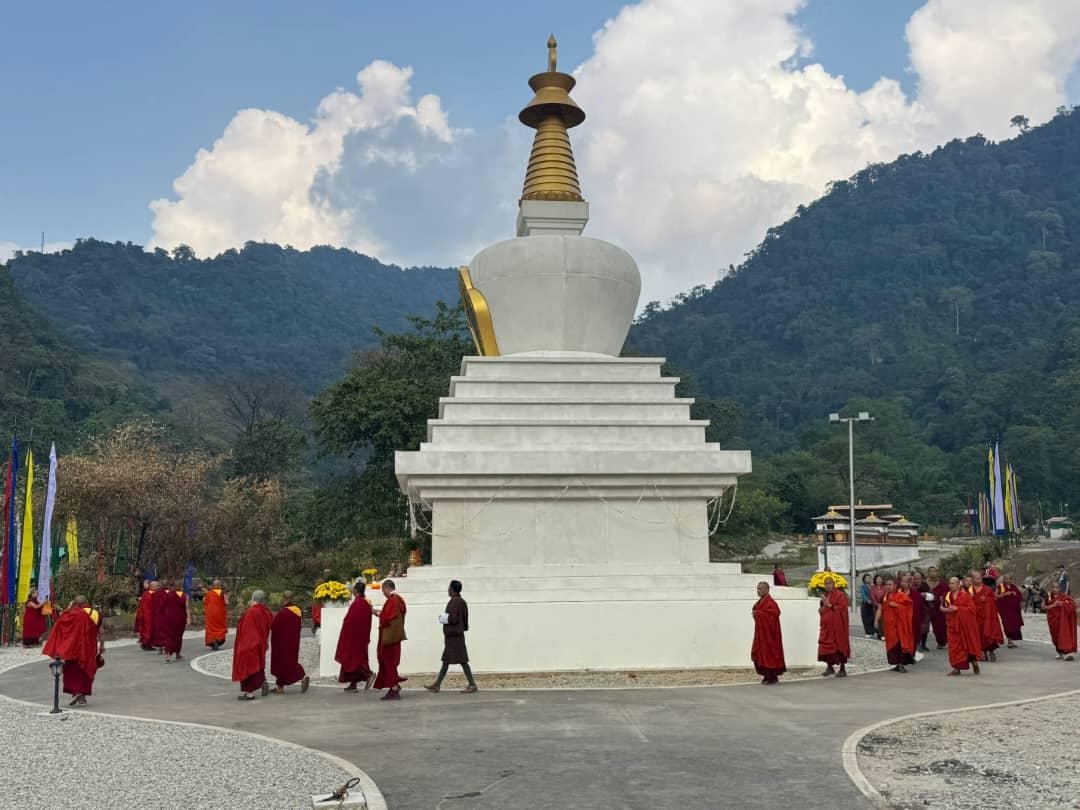
The scale of participation in GMC tells a compelling story. Nearly 576 million Bhutanese ngultrum has been offered in prayers as 108 stupas were raised, with thousands of volunteers contributing their time, resources, and spiritual energy. But beyond the impressive numbers lies a deeper insight about what separates visionary leaders who successfully implement ambitious ideas from those whose dreams remain unrealized. 💫
The Four Pillars of Transformational Leadership 🏛️
According to Governor Dasho Lotay Tshering, who leads the GMC initiative, successful execution of ambitious national projects requires four essential elements working in concert. Understanding these pillars offers valuable lessons for political leaders, corporate executives, and organizational heads worldwide.
Vision: The Foundation of Change
Every transformational project begins with a clear, compelling vision. However, vision alone is insufficient. Thousands of leaders worldwide possess ambitious ideas yet struggle to translate them into tangible outcomes. The difference often lies not in the quality of the vision itself, but in the three additional factors that must accompany it.
Intellectual Capability: Translating Dreams into Action
The second pillar involves the technical and intellectual capacity to convert visionary concepts into actionable plans. This encompasses strategic thinking, problem-solving abilities, and the expertise required to navigate complex implementation challenges. GMC demonstrates this through its sophisticated approach to urban planning that considers not only infrastructure and engineering but also what leaders describe as the city's "software component"—the social, cultural, and psychological dimensions that make communities thrive.
Authority: The Power to Execute
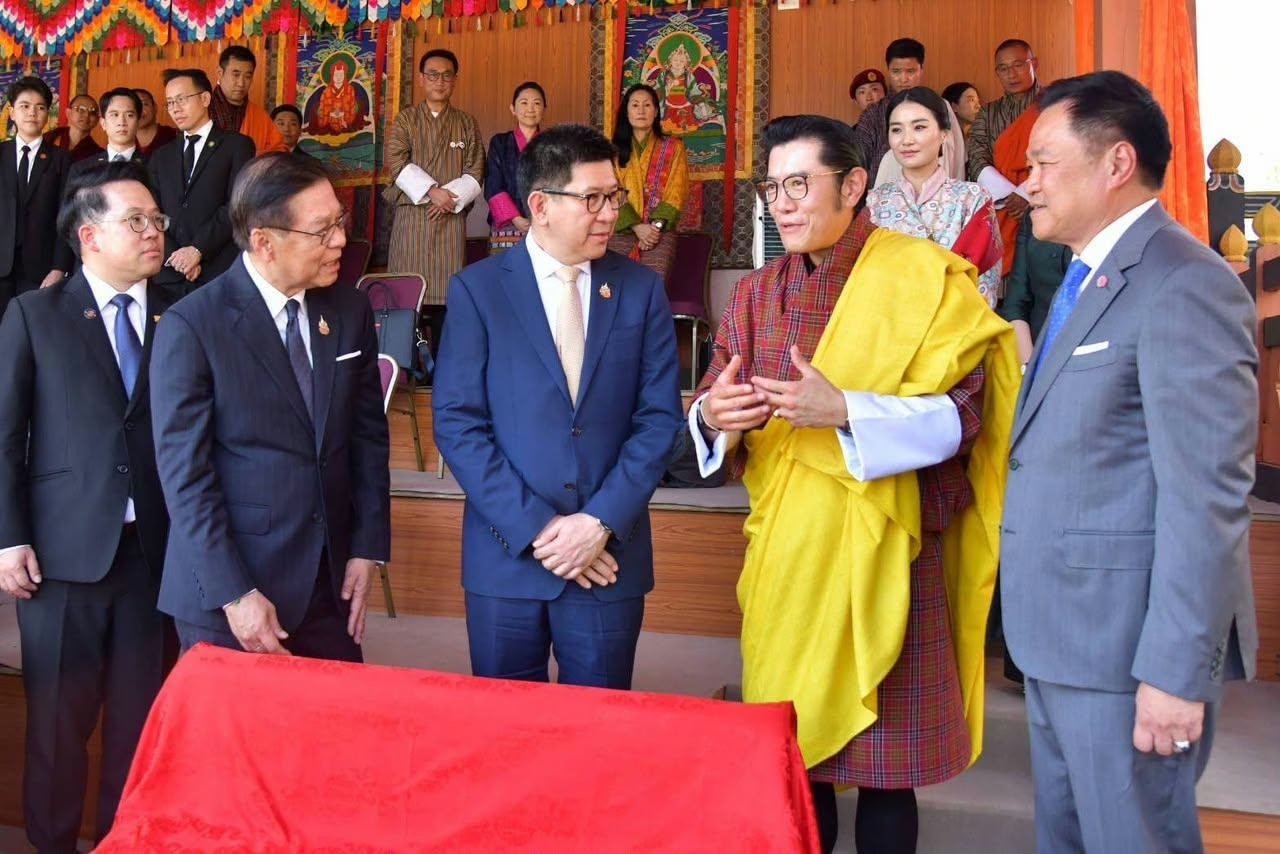
Leadership authority provides the institutional power necessary to mobilize resources, make decisive decisions, and maintain momentum through inevitable obstacles. Without legitimate authority, even the most brilliant visions falter. In Bhutan's context, the throne provides this foundational authority, enabling swift decision-making and resource allocation that might take years in other governance structures.
Public Acceptance: The Often-Overlooked Essential 🤝
Governor Dasho Lotay Tshering emphasizes that public acceptance may be the most critical factor—and paradoxically, the one most frequently underestimated by leaders elsewhere. "Acceptance of that person's leadership," he notes, is foundational to transforming ambitious ideas into reality.
This became evident during the early stages of GMC. When the initial call for volunteers was announced for the airport groundbreaking ceremony, approximately 5,000 people registered within 24 to 48 hours. Organizers hadn't anticipated such overwhelming enthusiasm and were forced to close registrations. This spontaneous outpouring of support extended far beyond the immediate Gelephu region, drawing participants from across Bhutan and internationally.
Why Most Ambitious Projects Fail: The Global Leadership Gap 📊
Governor Dasho Lotay Tshering identifies a critical problem facing world leaders: many possess equally ambitious visions but lack the ability to implement them because they're missing one or more of these four essential elements.
Consider the trajectory of many ambitious urban development projects globally:
- Insufficient public trust: Citizens question leaders' motives or competence
- Limited institutional authority: Bureaucratic constraints or political opposition stalls implementation
- Inadequate technical capacity: Poor planning or execution undermines the original vision
- Misaligned vision: Leaders fail to articulate why their ambitious plans matter to ordinary people
When any of these elements is absent, even well-funded projects struggle. The GMC initiative succeeds because all four elements align synergistically. 🔄
The Urban Planning Revolution: Learning from Hindsight 🏗️
Beyond leadership principles, GMC offers crucial lessons in urban planning that address a universal challenge: cities worldwide have developed over decades with planners later regretting decisions made in early stages. Even economically successful cities have aspects their designers would fundamentally change if they could restart the process.
Governor Dasho Lotay Tshering emphasizes that GMC's advantage lies in its ability to plan comprehensively from inception. Rather than addressing shortcomings after 20 years of development, GMC integrates thoughtful urban design principles from the beginning.
This forward-thinking approach includes:
- Infrastructure excellence: Modern transportation, utilities, and connectivity
- Environmental consciousness: Sustainable design principles integrated throughout
- Social infrastructure: Community spaces, cultural centers, and public gathering areas
- Psychological design: Urban layouts that promote mindfulness and well-being
- Economic diversity: Mixed-use development supporting various industries and employment
Public Trust: The Foundation of National Initiative Success 💪
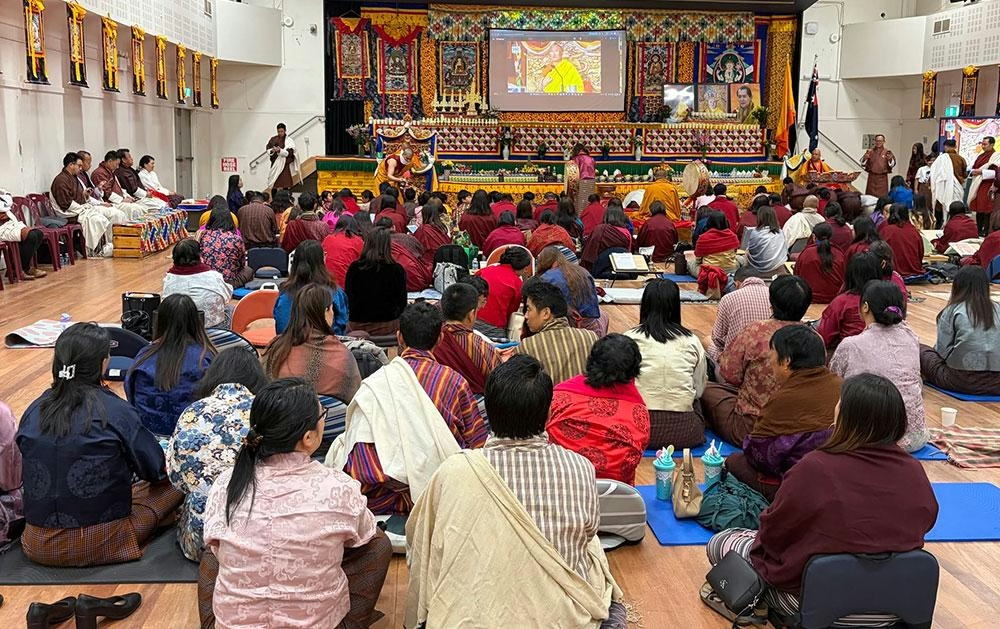
What distinguishes GMC from countless other development projects is the visible, tangible public commitment. The participation extends across socioeconomic boundaries, geographic regions, and even national borders. International participants have traveled to Gelephu to contribute labor or witness the stupa construction, indicating the project's resonance beyond Bhutan's borders.
This broad-based participation reflects something fundamental about leadership in the modern age. Citizens increasingly demand authentic engagement and transparent purpose. When leaders demonstrate genuine commitment to public welfare and invite meaningful participation, people respond with remarkable generosity—not just financially, but with their time, energy, and spiritual investment.
The GMC initiative proves that public acceptance isn't manufactured through marketing campaigns or propaganda. It emerges organically when leaders consistently demonstrate:
- Integrity: Following through on commitments
- Transparency: Clear communication about plans and progress
- Inclusivity: Creating genuine opportunities for participation
- Competence: Demonstrating the ability to execute effectively
What Global Leaders Should Take Away 🌍
As world leaders contemplate ambitious initiatives—whether infrastructure projects, policy reforms, or institutional transformations—the GMC model offers practical guidance:
First, assess whether you possess all four pillars. If any element is weak, address it before launching major initiatives. Attempting to implement ambitious visions without public acceptance, for instance, typically results in resistance, delays, and eventual failure.
Second, invest heavily in building public trust before announcing major projects. The groundwork for GMC's success was laid long before construction began, through consistent demonstration of competent, ethical leadership.
Third, recognize that the "software component" of any initiative—its cultural, social, and psychological dimensions—deserves equal attention to infrastructure and engineering. Cities that succeed long-term are those that understand human needs alongside technical requirements.
Fourth, create meaningful opportunities for public participation. People don't merely want to be informed about major initiatives; they want to contribute to something larger than themselves. This intrinsic motivation generates commitment far more powerful than any external incentive.
The Evolution of Bhutanese Leadership Excellence 🇧🇹
The success of GMC reflects a broader pattern in Bhutan's governance approach. The nation has consistently prioritized gross national happiness over gross domestic product, integrated environmental sustainability into policy frameworks, and maintained democratic principles while preserving cultural values.
This distinctive leadership philosophy has created conditions where ambitious national projects can flourish. The public's willingness to contribute to GMC isn't accidental; it reflects decades of governance that has earned public trust through consistent, values-driven decision-making.
Governor Dasho Lotay Tshering notes that "the family has earned it"—referring to the royal family's establishment of trustworthiness through generations of service-oriented leadership. This intergenerational trust provides the foundation upon which contemporary ambitious initiatives can be built.
Lessons for Corporate and Organizational Leaders 🏢
While GMC is a national government initiative, its leadership principles apply equally to corporate executives and organizational leaders worldwide. The four-pillar framework translates directly:
- Vision: Clear organizational direction and purpose
- Capability: Technical expertise and execution competence
- Authority: Legitimate power to make decisions and allocate resources
- Acceptance: Employee and stakeholder trust in leadership
Organizations succeeding in major transformations—whether digital transformation, cultural change, or strategic pivots—typically excel in all four areas. Those struggling often discover they've neglected public (or employee) acceptance while focusing exclusively on vision and capability.
Looking Forward: The GMC Model in Global Context ✨
As the world grapples with complex challenges—climate change, urbanization, social fragmentation—the GMC initiative offers an encouraging model. It demonstrates that ambitious, transformative projects can succeed when leaders thoughtfully integrate vision, capability, authority, and public acceptance.
The 108 stupas being raised at Gelephu represent more than spiritual monuments or architectural achievements. They symbolize what becomes possible when millions of people align around shared purpose, guided by leaders who have earned their trust through competence and integrity.
For world leaders contemplating ambitious initiatives, the message is clear: invest in building all four pillars. The vision may be magnificent, but without the supporting structure of capability, authority, and—most importantly—public acceptance, even the grandest dreams remain unrealized. GMC shows us what becomes possible when leaders get this formula right. 🌟