Category:
NewsBhutanese Nationwide Unite for Project 108 Spiritual Initiative
A Nation Unified in Spiritual Celebration 🙏✨
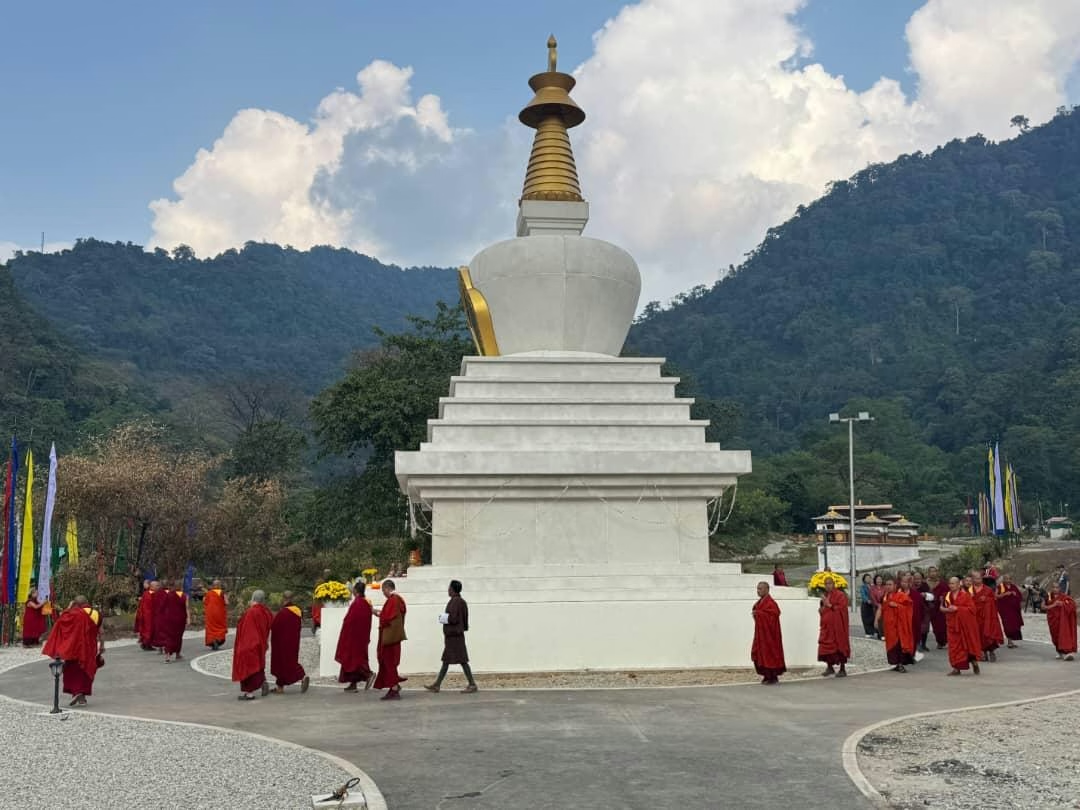
On November 1st, a remarkable convergence of faith, national pride, and collective spiritual purpose swept across Bhutan and beyond. While 108 sacred stupas rose majestically along the Mau River in Gelephu Mindfulness City, Bhutanese communities from Thimphu to Canberra participated in an extraordinary demonstration of cultural and religious unity. This simultaneous celebration marked one of the most significant spiritual undertakings in contemporary Bhutanese history, blending ancient Buddhist traditions with modern digital connectivity.
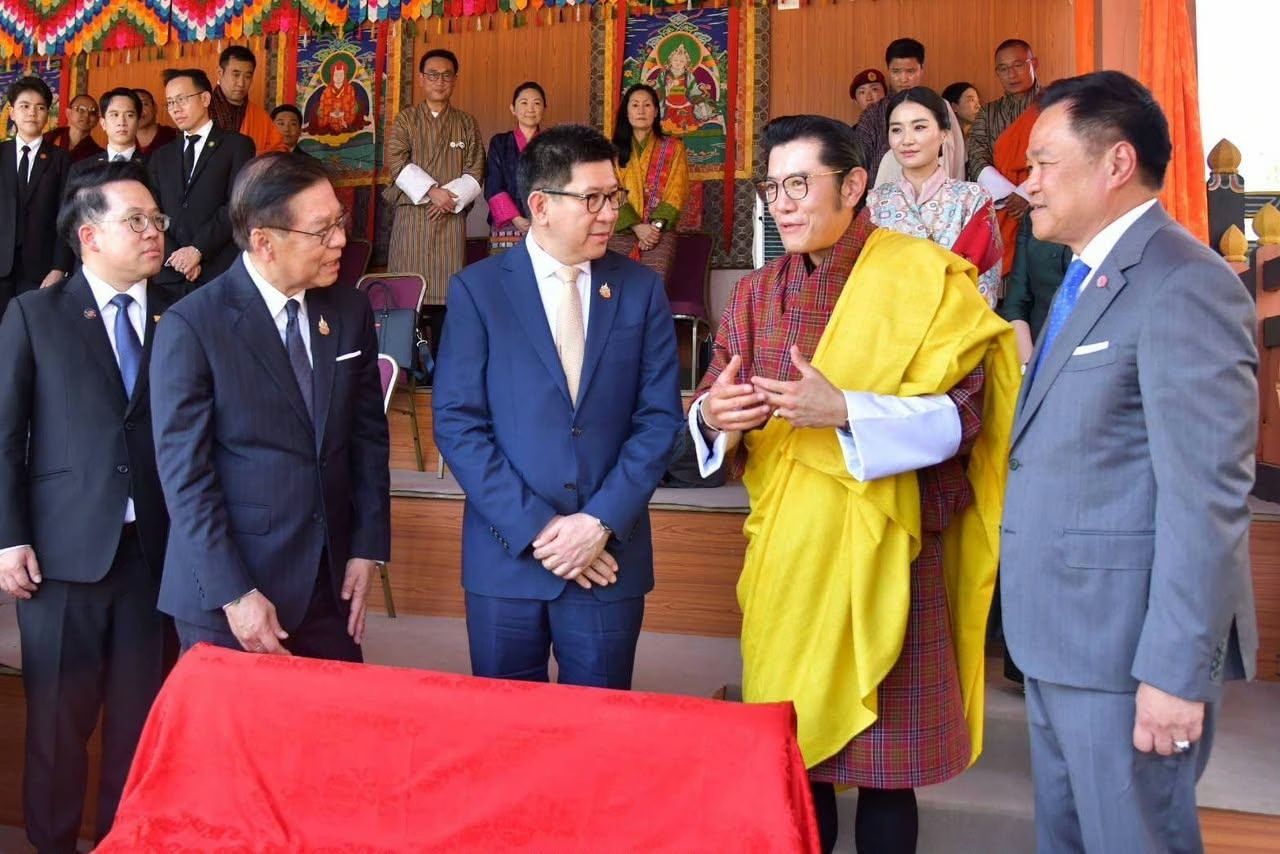
The date itself carried profound significance—November 1st coincided with both the 18th Coronation Anniversary of His Majesty The King and Lhabab Duechen, the descending day of Lord Buddha, one of Buddhism's most revered occasions. This convergence of national and religious significance elevated Project 108 beyond a mere construction initiative into a comprehensive spiritual movement.
The Gelephu Mindfulness City Milestone 🏛️
The consecration of 108 Jangchub Chortens (enlightenment stupas) at Gelephu Mindfulness City represented a watershed moment for Bhutan's development narrative. These sacred structures, arranged along the Mau River, embodied the nation's commitment to sustainable development that honors spiritual values. The choice of 108—a number holding profound significance in Buddhist numerology—reflected careful consideration of traditional wisdom integrated into modern urban planning.
The completion of these stupas symbolized more than architectural achievement. They represented a tangible manifestation of the nation's collective aspiration for enlightenment, prosperity, and spiritual advancement. Each stupa served as a prayer in stone, a permanent testament to Bhutanese devotion.
Nationwide Observances: From Thimphu to Remote Villages 🕯️
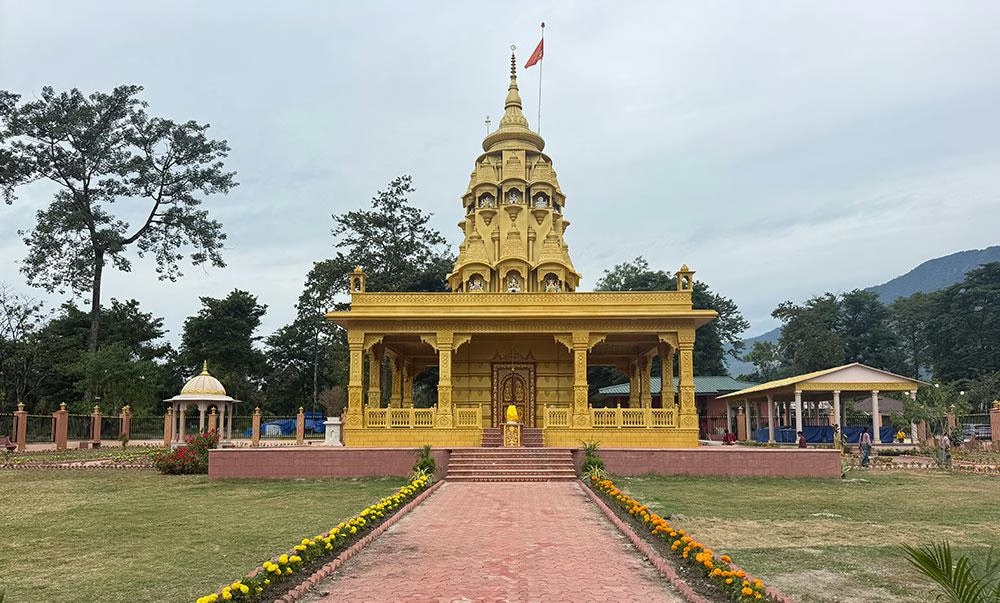
While ceremonies unfolded at Gelephu, Bhutanese communities orchestrated coordinated celebrations across the kingdom. At Simtokha Dzong in Thimphu, one of Bhutan's most historically significant locations, butter lamp offerings commenced at 5:15 PM. This ancient practice, refined over centuries of Buddhist tradition, took on contemporary significance as part of the broader 108 Jangchub Chortens initiative.
The scale of participation was staggering. Organizers had set an ambitious target of lighting 100,020 butter lamps—a number carefully chosen to exceed the symbolic 108 by a factor reflecting abundance and generosity. The lamp-lighting ceremony extended into November 2nd, creating a continuous stream of illuminated prayers that metaphorically lit the path toward collective spiritual goals.
Key participation centers included:
- Simtokha Dzong in Thimphu for the primary butter lamp offering
- Samcholing Dzong in Trongsa, where students and staff participated
- Numerous monasteries and community centers throughout the country
- Private households where families conducted personal prayer ceremonies
Global Bhutanese Community Participation 🌍
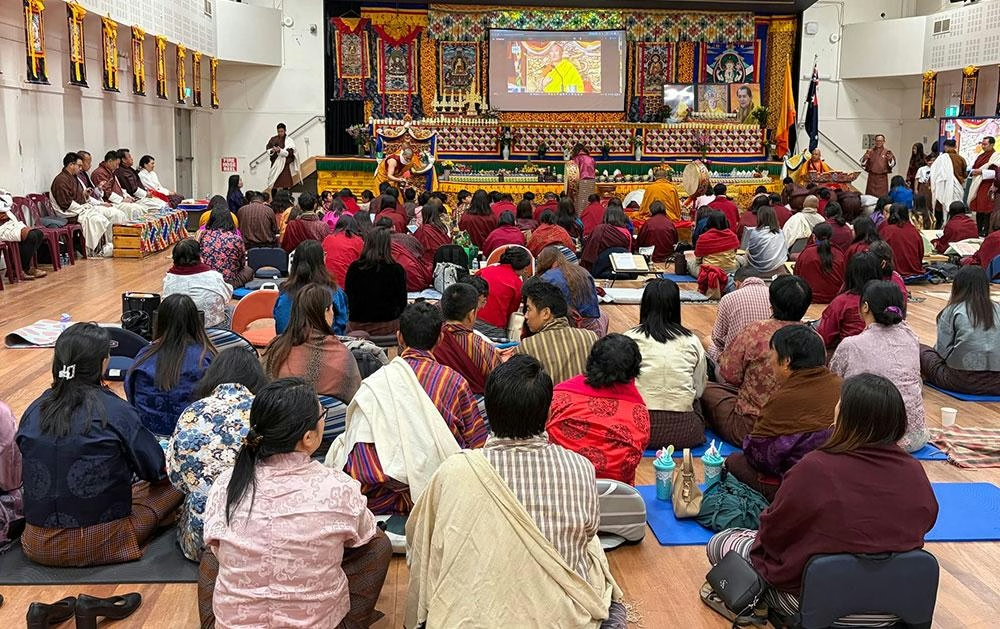
The diaspora's involvement demonstrated how Project 108 transcended geographical boundaries. In Canberra, Australia, the Royal Bhutanese Embassy coordinated with the Bhutanese Buddhist and Cultural Centre and the Australia-Bhutan Association to organize synchronized prayer ceremonies. This international participation reflected the enduring spiritual connection Bhutanese maintain with their homeland, regardless of physical distance.
Brisbane's Dudjom Krodikali Association orchestrated a comprehensive Throema Tshokhor (festive gathering) that commemorated multiple significant occasions simultaneously: Lhabab Duechen, the King's coronation anniversary, Mother's Day, and the stupa consecration. This multi-layered celebration demonstrated how Bhutanese communities abroad maintain cultural coherence while adapting to local contexts.
Participants in these international gatherings emphasized the profound meaning of their involvement. Beyond religious observance, they highlighted how the project embodied core Bhutanese values: faith, communal responsibility, selfless service, and collective action toward shared spiritual advancement.
Digital Connectivity and Modern Spiritual Practice 📱
Project 108 distinguished itself by seamlessly integrating traditional Buddhist practices with contemporary technology. The Bhutan Broadcasting Service provided live coverage to thousands of viewers across the nation and internationally. This accessibility democratized participation—individuals unable to travel to Gelephu could witness the stupas' consecration in real time, feeling connected to the broader spiritual movement.
The launch of Yoeja.com, a global prayer platform, represented an innovative approach to collective spiritual practice. This digital initiative enabled practitioners worldwide to recite sacred mantras, record individual counts, and contribute to a collective tally. By 9 PM on November 1st, the combined recitation count had reached an extraordinary 600 million—a testament to the project's mobilizing power.
This technological integration addressed a fundamental challenge in contemporary spiritual practice: how to maintain collective participation across dispersed populations while honoring traditional methods. By 9 PM on November 1st, continuous Mani recitations had accumulated 600 million counts, demonstrating unprecedented levels of coordinated spiritual engagement.
The Significance of 108 in Buddhist Philosophy 🔢
The number 108 carries profound meaning within Buddhist tradition, appearing throughout religious texts and practices. It represents the number of earthly desires that bind sentient beings, the number of beads on a traditional mala (prayer beads), and the number of steps in many Buddhist pilgrimage routes. By constructing 108 stupas, Project 108 engaged with centuries of accumulated spiritual symbolism.
This numerological choice wasn't arbitrary—it reflected deep understanding of how physical structures can embody spiritual principles. Each stupa functioned as both architectural element and spiritual instrument, creating a landscape infused with Buddhist meaning.
Community Leadership and Volunteer Contributions 👥
Project 108's success rested fundamentally on volunteer dedication and community leadership. Organizers emphasized their gratitude to His Majesty The King for providing visionary guidance and to countless volunteers whose sustained effort brought the initiative to completion. This acknowledgment highlighted how major cultural projects in Bhutan depend on distributed leadership and grassroots commitment.
The involvement of educational institutions, particularly Samcholing Middle Secondary School in Trongsa, ensured that younger generations participated in and understood the project's significance. By engaging students and staff, organizers created lasting impressions that would shape these individuals' understanding of national identity and spiritual practice.
Broader Implications for Bhutanese Society 🌟
Project 108 reflected evolving trends in how Bhutan balances modernization with spiritual preservation. Gelephu Mindfulness City itself represents this balance—a planned urban development explicitly designed around Buddhist principles rather than purely commercial considerations. The 108 stupas within this city embody the integration of spiritual values into contemporary development frameworks.
This approach distinguishes Bhutan's development model internationally. While many nations pursue rapid urbanization with limited consideration for cultural or spiritual dimensions, Bhutan deliberately constructs cities and projects that honor Buddhist teachings. Project 108 exemplifies this distinctive approach.
The nationwide participation and international engagement also demonstrated how spiritual initiatives can serve as unifying forces in increasingly complex societies. By providing a common purpose transcending political, regional, or sectarian divisions, Project 108 reinforced shared Bhutanese identity.
What This Means for Bhutan's Future 🔮
Project 108 establishes a template for future national initiatives that combine spiritual significance, community participation, and modern infrastructure. The successful coordination across multiple locations and the engagement of diaspora communities suggest possibilities for expanded collaborative projects.
The integration of digital platforms like Yoeja.com indicates growing sophistication in how Bhutanese society adapts traditional practices to contemporary contexts. This technological embrace, carefully implemented to enhance rather than replace traditional methods, positions Bhutan as a model for culturally-rooted modernization.
As the 108 stupas stand along the Mau River, they represent more than completed construction—they embody a nation's commitment to maintaining spiritual foundations while embracing development and technological progress. For Bhutanese worldwide, these structures serve as permanent reminders of collective spiritual purpose and national unity.
Key Takeaways 💡
Project 108 demonstrated several crucial aspects of contemporary Bhutanese society:
- Spiritual Continuity: Ancient Buddhist practices remain central to national identity and development initiatives
- Technological Integration: Modern tools enhance rather than replace traditional spiritual practices
- Community Mobilization: National projects can unite diverse populations across geography and circumstances
- Development Philosophy: Bhutan's unique approach balances modernization with cultural preservation
- Diaspora Connection: Bhutanese communities abroad maintain strong engagement with homeland initiatives
The illuminated butter lamps, the consecrated stupas, and the millions of accumulated mantras represent far more than ceremonial observances. They symbolize a nation consciously choosing to develop in alignment with its deepest values—a choice that reverberates across Bhutanese communities worldwide.