Category:
NewsIllegal Imports Threaten Bhutan's Pork Industry
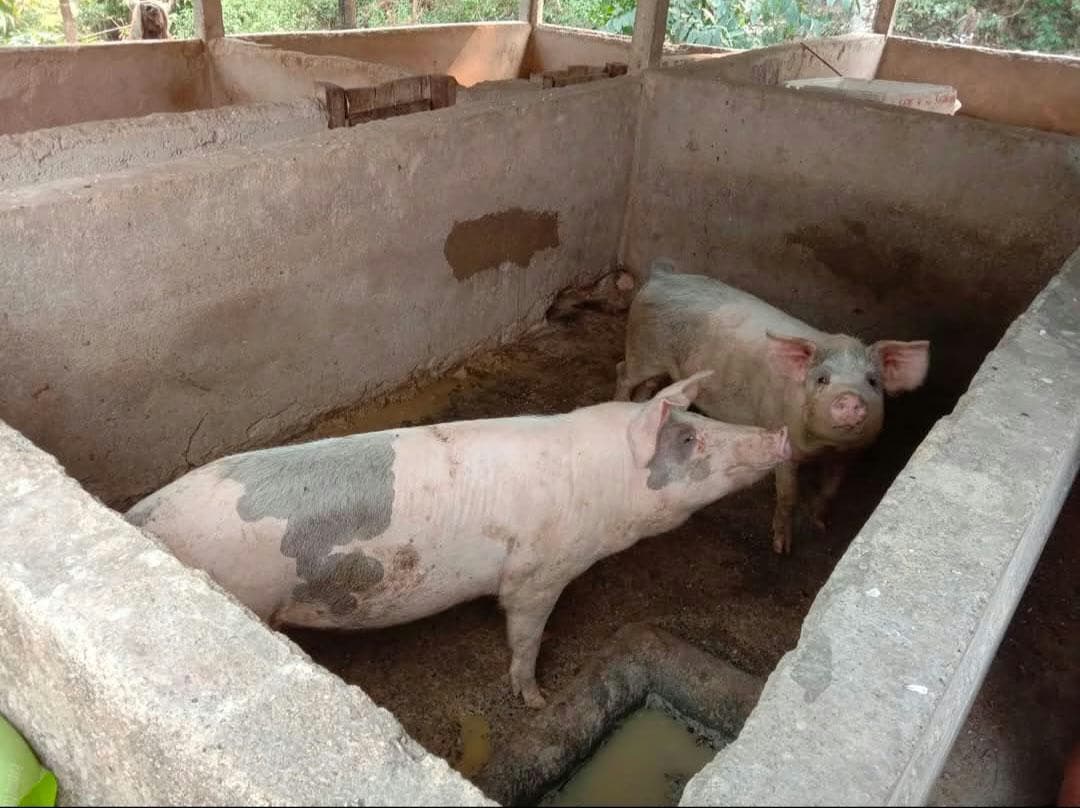
The Alarming Impact of Illegal Meat Imports in Bhutan 🌍
The pork industry in Bhutan is facing significant challenges as illegal meat imports continue to disrupt market stability and raise biosecurity concerns. Despite government efforts to stabilize the sector, pig farmers in regions like Samtse report that deeper issues remain unaddressed, leading to a decline in consumer demand and increased risks of disease outbreaks. 🐖
Government Initiatives and Their Shortcomings 🏛️
In response to the crisis, the Bhutanese government has implemented various measures, including the establishment of a national committee to assess market conditions and a price guarantee scheme for pig farmers. However, these efforts have been criticized for focusing primarily on pricing, which offers limited relief when the fundamental issue is a weakening demand for domestic pork.
Farmers argue that even guaranteed prices cannot compensate for the influx of illegal meat, which undermines local producers by circumventing regulatory controls and health inspections. This unregulated market entry places domestic farmers at a competitive disadvantage while potentially exacerbating biosecurity threats. 🔍
A Persistent Problem in Southern Bhutan 🚨
The problem of illegal meat imports is not new to southern Bhutan, where it was prominently raised in the Dzongkhag Tshogdu of Samtse. Local leaders have called for stronger enforcement to protect farmers from market distortions and mitigate the risk of diseases like African Swine Fever (ASF).
Statistics from the Bhutan Agriculture and Livestock Statistics 2024 reveal that swine meat imports have fluctuated significantly, with illegal inflows suspected to be much higher than recorded figures suggest. Seizures by the Royal Bhutan Police at the Integrated Checkpost in Phuentsholing highlight the challenge, with thousands of kilograms of various meats intercepted between 2024 and 2026. Yet, these seizures are believed to represent only a fraction of the actual volume entering through informal channels. 📊
The Biosecurity Threat: African Swine Fever 🦠
The illegal import of meat is linked to potential outbreaks of ASF, a devastating disease affecting pig farms in regions such as Samtse and Chukha. While a direct causal link has not been established, the risk remains high, particularly for small-scale producers who rely on food waste from hotels and restaurants as feed. This practice increases the likelihood of contamination and virus spread.
In contrast, larger commercial farms have adopted stricter biosecurity measures, such as using packaged feed and enforcing controlled access, which help reduce disease exposure. Nonetheless, the threat of ASF remains a significant concern for the industry. 🔒
Challenges in Enforcement and Regulation 🔗
Enforcement agencies face numerous challenges in curbing illegal meat imports. Limited manpower and high traffic volumes at checkpoints make thorough inspections difficult. Additionally, the integrated responsibilities of police personnel at these posts further complicate the enforcement process.
The Bhutan Food and Drug Authority (BFDA) acknowledges the difficulty of tracking meat once it enters informal distribution channels. This lack of traceability poses a significant challenge to maintaining biosecurity and protecting the domestic pork industry. 🚔
Moving Forward: What Needs to Be Done? 📈
Addressing the issue of illegal meat imports requires a multifaceted approach. Strengthening border controls, increasing manpower at inspection points, and enhancing traceability of meat products are crucial steps. Moreover, raising awareness among consumers about the benefits of supporting local producers could help boost demand for domestically produced pork.
In conclusion, while government initiatives have laid the groundwork for market stabilization, addressing the root causes of the crisis—illegal imports and biosecurity risks—remains critical. As Bhutan navigates these challenges, a concerted effort from all stakeholders is essential to safeguard the future of its pork industry. 🛡️
Key Takeaways and Future Outlook 🎯
- Illegal meat imports undermine local pork prices and threaten biosecurity.
- Government initiatives need to focus beyond pricing to address core issues.
- Strengthening enforcement and consumer awareness is vital.
- Continued vigilance against ASF is necessary to protect the industry.
Looking ahead, the success of Bhutan's pork industry depends on collaborative efforts to enhance regulatory frameworks, support local farmers, and safeguard public health. 🌟
You May Also Like
News
Women Entrepreneurs Master AI and Digital Tools in Phuentsholing
September 1, 2026
News
Can Samtse Keep Up With Its Growing Workforce?
August 29, 2026

News
Nepal Flood Exposes Critical Gaps in Bhutan's Early Warning Systems
August 29, 2026
News
High Court Overturns Acquittal: Doctor Sentenced to 10 Years for Child Sexual Abuse
August 29, 2026