Category:
NewsPhuentsholing Hospital Apologizes for Registration Mix-up

A Surprising Turn of Events at Phuentsholing Hospital 🤔
The bustling city of Phuentsholing witnessed an unexpected stir at its General Hospital this past week. A registration mix-up led to significant public outcry as a father and his two sons left the hospital without receiving the medical attention they desperately needed. This incident, which quickly gained traction on social media, highlights a critical gap in healthcare access that the hospital is now striving to address.
The Incident Unfolds 🚨
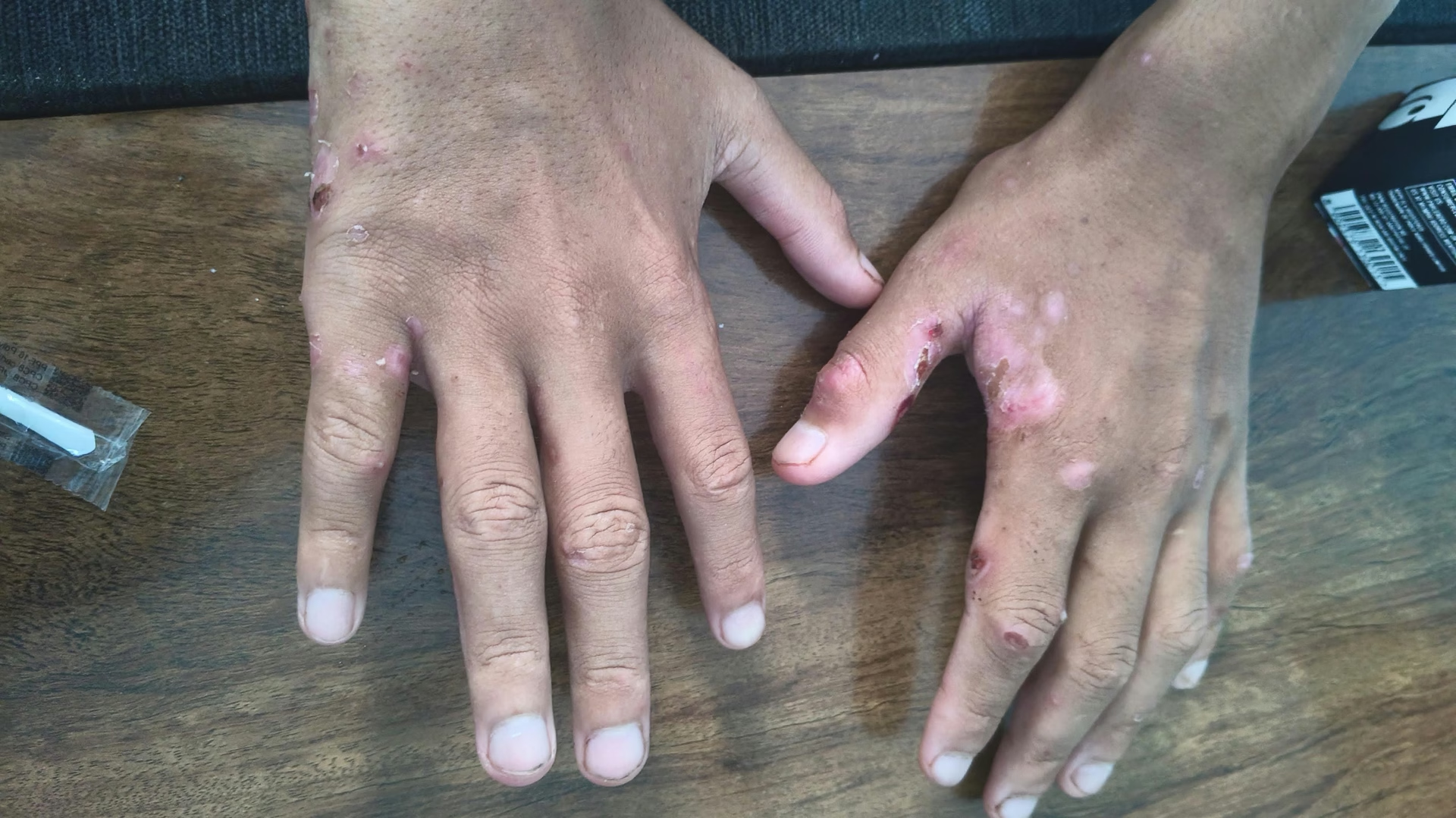
On July 9, Mangal Sing Ghalley, a resident of Pemaling in Samtse, made a trip to Phuentsholing with his sons, aged 11 and 13, who were suffering from infected wounds. The urgency of their situation was compounded by the fact that they were due to return to school shortly. However, upon arrival at the hospital, a registration issue arose. Ghalley could present his own citizenship identity card but did not have his sons' health books, which were left at their school hostel due to unforeseen circumstances.
Social Media Sparks a Debate 📱
The incident caught the attention of netizens, who were quick to question the rigidity of documentation requirements at hospitals. Concerns were raised about whether such protocols inadvertently excluded vulnerable patients, especially those lacking proper identification. This debate underscores a broader issue of healthcare accessibility in Bhutan, particularly for disadvantaged groups.
Hospital's Response and Commitment to Change 🏥
In the wake of the controversy, the Phuentsholing General Hospital issued an apology and contacted the family to ensure the children received a thorough medical evaluation. The diagnosis confirmed scabies with secondary infections, a condition prevalent among other students at the boys' school hostel. Chief Medical Officer Dr. Dorji Tshering clarified that the receptionist had not refused care but sought alternative identification methods, such as the Unique Health Identification (UHID) numbers.
The Role of the UHID System 🔍
The UHID system plays a pivotal role in Bhutan's healthcare framework by allowing patients to access services without immediate documentation. However, Dr. Tshering emphasized the importance of maintaining a single medical record to prevent complications in emergency situations. The Electronic Patient Information System (ePIS) is designed to store comprehensive medical histories but can be undermined by the creation of multiple UHIDs for the same patient.
Moving Forward: Lessons Learned and Future Steps 🔄
The hospital administration has recognized the registration mix-up as a communication breakdown rather than a systemic failure. As a result, measures are being put in place to enhance communication between staff and patients. This includes encouraging patients to carry valid identification while ensuring that lack of documentation does not impede access to healthcare services.
Broader Implications for Bhutan’s Healthcare System 🇧🇹
This incident sheds light on the broader challenges facing Bhutan's healthcare infrastructure. As the nation continues to develop, ensuring equitable access to healthcare remains a top priority. The government's focus on technological integration, such as the ePIS, is part of a larger strategy to improve healthcare delivery across the country.
Conclusion: A Commitment to Better Healthcare 💪
Phuentsholing General Hospital's swift response and apology demonstrate a commitment to improving patient care and preventing similar occurrences in the future. By addressing systemic gaps and enhancing communication, the hospital aims to rebuild trust with the community and provide seamless healthcare services to all.
As Bhutan progresses, the lessons from this incident will undoubtedly contribute to shaping a more inclusive and efficient healthcare system, ensuring that no one is left behind in the pursuit of health and well-being.
You May Also Like
News
Women Entrepreneurs Master AI and Digital Tools in Phuentsholing
September 1, 2026
News
Can Samtse Keep Up With Its Growing Workforce?
August 29, 2026

News
Nepal Flood Exposes Critical Gaps in Bhutan's Early Warning Systems
August 29, 2026
News
High Court Overturns Acquittal: Doctor Sentenced to 10 Years for Child Sexual Abuse
August 29, 2026