Category:
EconomyHomeownership: A Dream Deferred in Bhutan
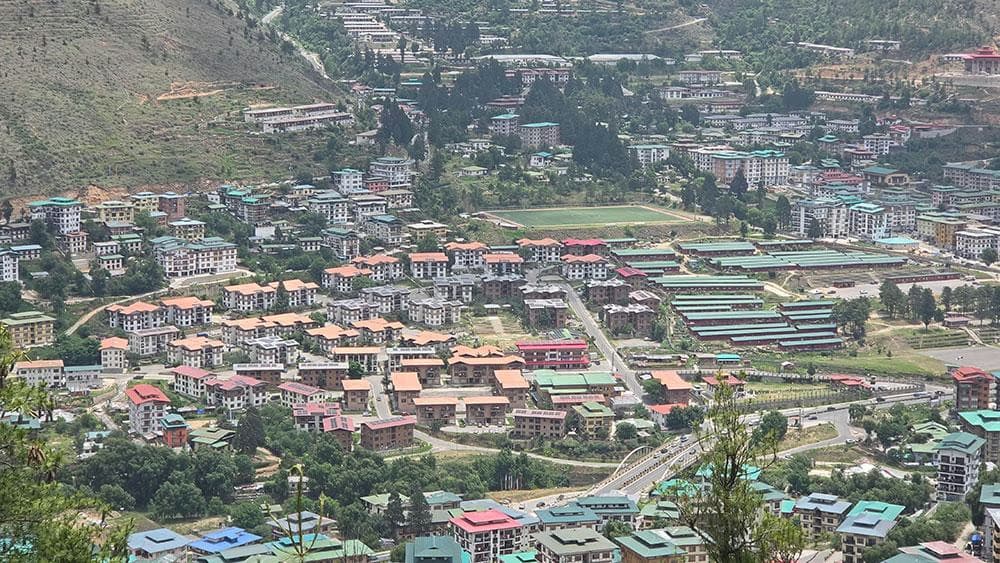
The Elusive Dream of Homeownership in Bhutan 🏡
In Bhutan, the aspiration of owning a home, once a symbol of stability and prosperity, is increasingly becoming unattainable for many. With soaring property prices and stagnant incomes, the dream of homeownership is slipping out of reach for a significant portion of the population.
Factors Driving the Housing Crisis 💸
Rising Property Prices and Stagnant Incomes 📈
The real estate market in Bhutan, particularly in urban areas like Thimphu, has witnessed unprecedented growth. Property prices have surged, with modest apartments now demanding between Nu 5.5 million and Nu 8 million. However, the median household income remains around Nu 28,000 per month, creating a vast gap between earnings and property costs.
Limited Supply and High Construction Costs 🏗️
The shortage of affordable housing is exacerbated by high construction costs. Building a standard two-bedroom apartment in Thimphu costs approximately Nu 1.68 million, further pushing the total expenses beyond the reach of many Bhutanese families. The Bhutan Schedule of Rates 2025 underscores these rising expenses, making home construction a daunting financial challenge.
High Lending Rates and Financial Barriers 💰
Accessing housing finance is another hurdle, with interest rates ranging from 8.13% to 8.93% for housing loans. These rates are among the highest in the region, making it difficult for middle- and low-income families to secure affordable loans. Only 9% of households currently benefit from housing loans, highlighting the financial barriers to homeownership.
The Impact on Bhutanese Society 🌐
Shifting Demographics and Urban Migration 🌆
Urban areas are experiencing rapid population growth due to rural-to-urban migration, further straining the housing market. With limited developable land in cities, property values continue to climb, contributing to increasing inequality and cost-of-living pressures.
Rent-Driven Inequality 🏠
Renting remains the only viable option for many, with approximately 82% of urban households living in rented accommodations. The disparity is stark, as only 17% of urban residents own homes. This reliance on rentals perpetuates economic disparities and limits opportunities for wealth accumulation.
Potential Solutions and Future Outlook 🔍
Policy Interventions and Housing Programs 🏛️
To address these challenges, a comprehensive approach is needed. Expanding affordable housing programs and introducing targeted homeownership initiatives could provide relief. The government must also consider revising lending policies to make housing finance more accessible.
Encouraging Private Sector Involvement 🤝
Increased collaboration between the public and private sectors could stimulate the construction of affordable housing. By incentivizing private developers to invest in low-cost housing projects, Bhutan could alleviate some of the pressures faced by urban residents.
Conclusion: Navigating the Path Forward 🚀
While the dream of homeownership in Bhutan faces significant hurdles, strategic interventions and policy reforms could pave the way for a more equitable housing market. By addressing the underlying issues of high property prices, limited supply, and financial inaccessibility, Bhutan can work towards making homeownership a reality for all its citizens.
As the nation navigates these challenges, fostering a balanced approach that combines economic growth with social equity will be crucial to ensuring that the dream of owning a home remains within reach for future generations.
You May Also Like
Economy
Fixed Deposit Tax Withholding: What You Need to Know
September 13, 2026
Economy
DRC's QR Payment Innovation: Tracking Business Income
September 2, 2026
Economy
Single Mother Transforms Life Through Beekeeping in Bhutan
August 31, 2026
Economy
Natural Resources: Turning Ore into National Opportunity
August 29, 2026