Category:
PoliticsGovt's Nu 10,000 Payout for Third Child Begins
Introduction
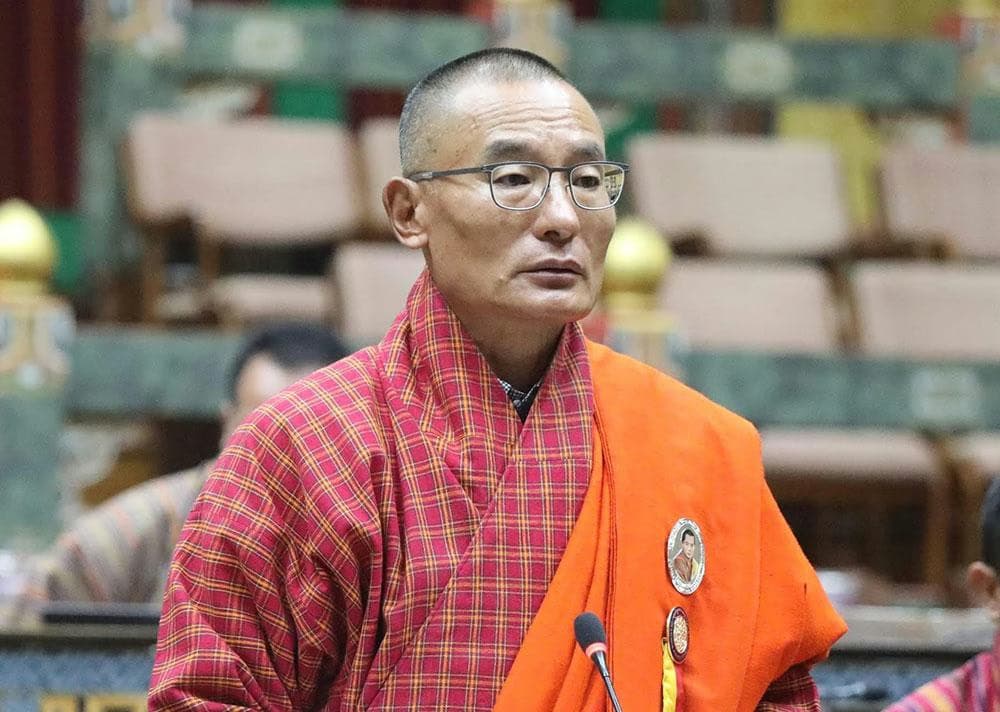
In a bold move to tackle the declining birth rate, the Bhutanese government is set to roll out a monthly financial incentive for families with a third child. Starting this June, mothers of third and subsequent children will receive Nu 10,000 per month until their child turns three. This initiative aims to combat the demographic challenges Bhutan faces, which threaten the nation's economic stability and development goals. 🎯
Addressing Demographic Challenges
The Prime Minister, Tshering Tobgay, announced this policy as part of a broader strategy to address the country's demographic concerns. Bhutan's birth rate has significantly decreased over the years, and this programme is a key component of the government’s response to these trends. The initiative aligns with Bhutan’s 10X National Economic Vision, which emphasizes sustainable population growth as crucial for economic expansion. 📊
The Triple Demographic Squeeze
Bhutan is experiencing what economists call a "demographic triple squeeze": declining fertility rates, an ageing population, and increasing outmigration. This situation poses a risk of the country "growing old before it grows rich," as the workforce shrinks and economic growth potential diminishes. Bhutan's Total Fertility Rate has dropped to 1.86, below the replacement level of 2.1, indicating that each generation is smaller than the last. 📉
Policy Interventions and Support Systems
To complement the financial incentive, the government plans to implement several policy measures aimed at supporting families and encouraging sustainable population growth. Key initiatives include:
- Sustainable Population Strategy: This policy will provide comprehensive social support to address the needs of an ageing population. 🧓
- National Social Protection Strategy: Aims to bolster economic and social support systems for families, ensuring long-term sustainability. 💪
- State-Funded In Vitro Fertilisation (IVF): Available at Jigme Dorji Wangchuck National Referral Hospital, this service supports couples struggling with fertility issues. 🏥
- Expanded Childcare Facilities: With 723 Early Childhood Care and Development centers, the government is committed to enhancing childcare support. 🏫
Flexible Work Arrangements
The government is also exploring flexible working arrangements, including leave provisions and workplace crèches, to support working parents. A workplace crèche will be established under the Prime Minister's Office, providing much-needed childcare for government employees. This initiative echoes global trends where work-life balance is increasingly prioritized to boost workforce productivity. 🌐
Economic Implications
The introduction of financial incentives for third children is part of a wider economic strategy to mitigate the effects of Bhutan's demographic challenges. While these incentives are a step in the right direction, experts caution that the financial burden of raising children extends beyond the first three years. Rising living costs in urban areas like Thimphu pose additional challenges for young families. 💡
Keeping Young Families in Bhutan
Economic reforms are underway to retain young families by addressing high housing costs and stagnant wages. The Foreign Child Caregiver programme allows families to hire foreign workers for in-home childcare, providing a solution for dual-income families. This programme is designed to boost economic productivity by enabling parents to return to work more easily. 🏘️
Conclusion
As Bhutan navigates its demographic challenges, the government's proactive policies reflect a commitment to securing the nation's future. The Nu 10,000 monthly payout for third children is a significant step towards addressing the declining birth rate. However, sustained efforts across various sectors are essential to ensure long-term success. Bhutan's path forward will require ongoing adaptation and support to create an environment where families can thrive. 🌟
Looking ahead, it will be crucial for stakeholders to monitor the impact of these policies and adjust strategies accordingly. As Bhutan strives to achieve its economic vision, the harmonious balance between population growth and economic development will be pivotal. 🌍
You May Also Like
Politics
Bhutan and EU Parliamentarians Unite on Climate Action
September 26, 2026
Politics
Bhutan Launches Four Voter Participation Initiatives for LG Elections
September 16, 2026
Politics
Women in Politics: Breaking Through Barriers Before Election Day
September 15, 2026
Politics
Women Leaders Training: Preparing for 2027 Local Elections
August 31, 2026