Category:
PoliticsThe Indus Waters Treaty: A Diplomatic Dilemma
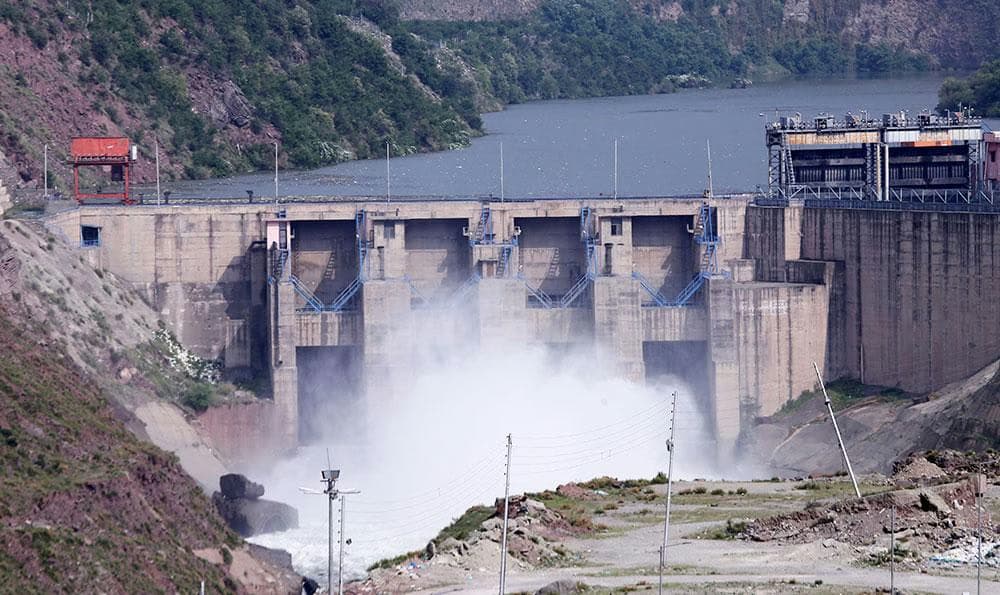
The Indus Waters Treaty, signed in 1960, is hailed as one of the most successful international agreements on water-sharing. However, beneath its surface lies a complex tapestry of political maneuvering, strategic obstruction, and unmet potential.
A Brief History
The Treaty was brokered by the World Bank between India and Pakistan to manage the water distribution of the Indus River and its tributaries. It allocated the waters of the eastern rivers to India and the western rivers to Pakistan, with specific provisions allowing limited use by India in the western rivers.
The Role of Pakistan
Over the years, Pakistan has used the Treaty's dispute resolution mechanisms to systematically obstruct Indian development projects. High-profile projects like Baglihar and Kishenganga have faced repeated challenges. This strategy is less about compliance and more about preventing India from harnessing its rightful resources.
Weaponizing Water
Pakistan has crafted an international narrative portraying India as a potential 'water aggressor.' This narrative has been effective in drawing diplomatic support and sympathy, despite India's unwavering adherence to the Treaty's terms.
Impact on India
Developmental Setbacks
The Treaty's constraints have left vast areas in India, especially in Rajasthan and Punjab, underdeveloped. The potential for agricultural and economic growth has been stifled, leading to significant economic losses.
Energy Security Concerns
Jammu and Kashmir, rich in hydropower potential, suffers due to the Treaty's limitations and Pakistan's objections. This not only impacts local development but also India's broader energy security goals.
Broader Implications
The Treaty's original intent was to foster cooperation, yet it now serves as a tool of obstruction. The geopolitical dynamics and Pakistan's continuous state-sponsored terrorism against India challenge the Treaty's foundation of mutual goodwill.
A Need for Reevaluation
Given the historical context and ongoing challenges, there is a growing call for reevaluating the Treaty. The pressing need is to address the imbalance and ensure equitable benefits for both nations.
Conclusion
As the geopolitical landscape evolves, the Indus Waters Treaty remains a critical diplomatic instrument. However, it requires a fresh perspective to truly serve the developmental needs of both India and Pakistan. The path forward lies in genuine cooperation, beyond mere compliance.
Key Takeaways
- The Treaty has been a tool for political leverage rather than mutual benefit.
- India's developmental and energy security needs are hindered by current arrangements.
- A balanced reevaluation could pave the way for equitable resource management.
You May Also Like

Politics
Bhutan and EU Parliamentarians Unite on Climate Action
September 26, 2026

Politics
Bhutan Launches Four Voter Participation Initiatives for LG Elections
September 16, 2026

Politics
Women in Politics: Breaking Through Barriers Before Election Day
September 15, 2026

Politics
Women Leaders Training: Preparing for 2027 Local Elections
August 31, 2026