Category:
NewsGovt. Reviews Tax Concessions for Bumthang Zones
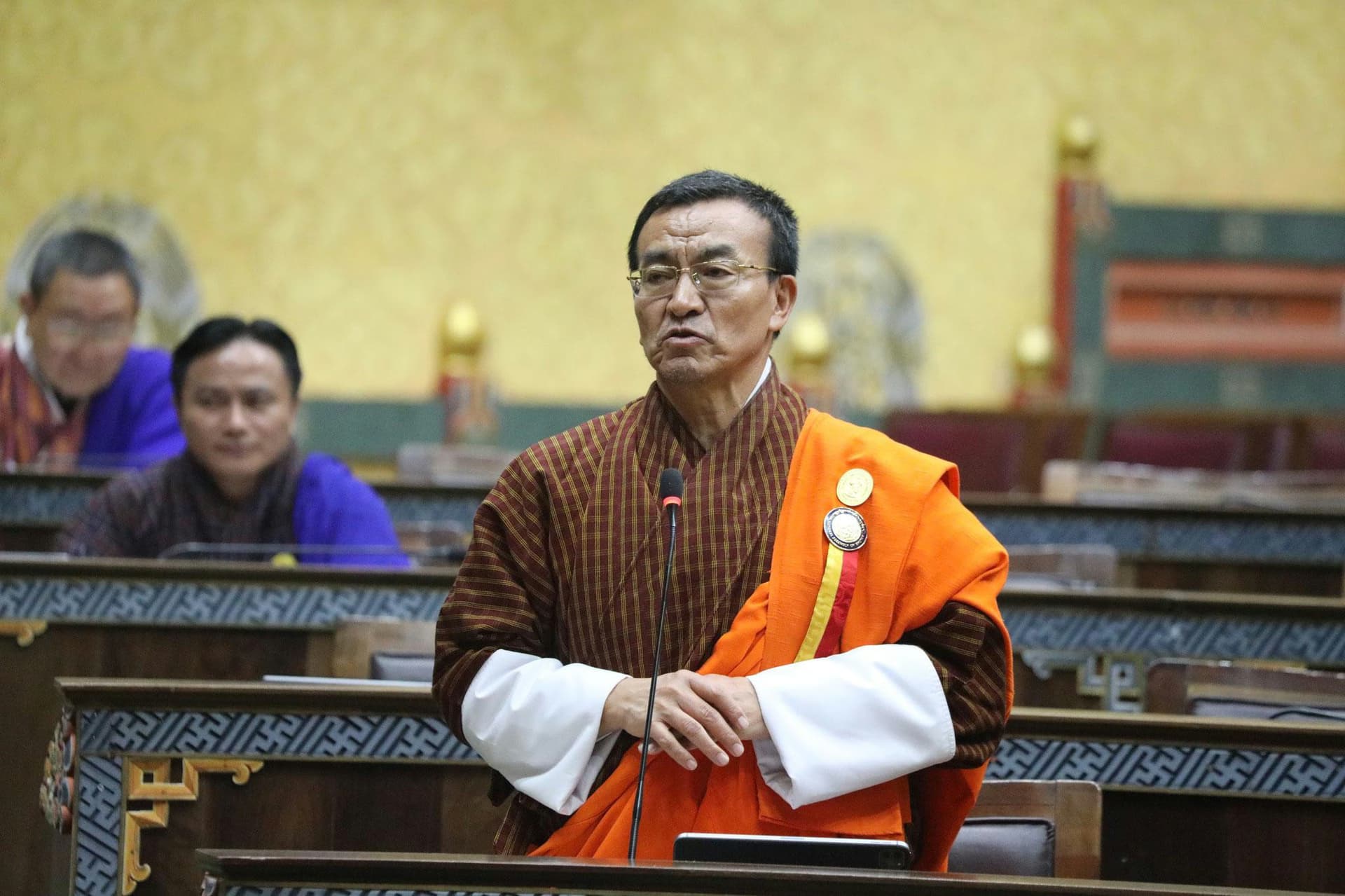
The Bhutanese government is taking a significant step towards economic reform by reviewing tax concessions in Bumthang's development-restricted zones. This move could have profound implications for local stakeholders and the overall development landscape in the region. 🏞️
Understanding the Tax Concession Review
The Ministry of Finance, led by Finance Minister Lekey Dorji, is spearheading the review of tax concession measures for areas surrounding Local Area Plans (LAPs) in Bumthang. These zones, often referred to as 'no-development' or development-restricted areas, have been under scrutiny due to the challenges they pose to urban and rural planning.
Currently, under the Property Tax Act, plots within these designated urban areas receive a 90% tax concession. However, this concession is not uniformly applied to rural areas, leading to disparities that the government aims to address. The review is crucial as it seeks to balance development needs with conservation efforts, ensuring sustainable growth in one of Bhutan's most picturesque regions. 🌿
The Bumthang Context
Bumthang is not just a geographical location; it is a cultural heartland. The town is divided into three principal townships: Dekiling, Chamkhar, and Jalikha. The issue at hand particularly affects 228 thram holders in Dekiling, stretching from the historic Jambay Lhakhang to the sacred Kurjey Lhakhang. Despite being eligible for concessions, these landholders have been paying taxes as usual, highlighting a gap in policy implementation.
Key Points:
- 228 thram holders are directly affected
- The area extends from Jambay Lhakhang to Kurjey Lhakhang
- Current tax concessions are not fully implemented
Government's Response and Future Steps
In response to concerns raised by the Member of Parliament for Chhoekhor-Tang, Kuenzang Thinley, the government, alongside the Ministry of Infrastructure and Transport, is actively working to resolve these issues. Minister Chandra Bdr Gurung has assured the National Assembly that steps are being taken to address the discrepancies in the Bumthang Valley Structural Plan and LAP.
The MoF has tasked the Bumthang Dzongkhag Administration, in collaboration with the Department of Human Settlement, to formally designate these restricted zones. This will ensure that eligible plots receive the promised tax concessions, potentially by 2027. 🗓️
The Bigger Picture: Bhutan's Economic and Cultural Balance
This review isn't just a local issue; it reflects broader trends in Bhutanese national policy, where economic development must harmoniously coexist with cultural preservation and environmental sustainability. The careful planning of development-restricted zones underscores Bhutan's commitment to maintaining its unique identity while fostering economic growth.
Implications:
- Potential boost in local economic activities
- Increased government accountability in policy implementation
- Enhanced cultural preservation efforts
What Lies Ahead
As the government continues its review, stakeholders in Bumthang and across Bhutan will be keenly watching. The outcome could set a precedent for how tax concessions are managed in other culturally and environmentally sensitive areas. The Deputy Speaker, Sangay Khandu, has mandated that the Ministry of Finance report on the implementation progress during the upcoming winter session.
Conclusion
The review of tax concessions in Bumthang's restricted zones is a pivotal moment for Bhutan's development trajectory. As the government seeks to align economic incentives with cultural preservation, the nation will look to Bumthang as a model of how to manage growth sustainably. This initiative not only promises financial relief for local landholders but also reaffirms Bhutan's dedication to its cultural and environmental ethos. 🌟
Key Takeaways
- Bumthang's review could influence national policy
- Implementation by 2027 is a key target
- Balancing development with cultural integrity is crucial
You May Also Like
News
Women Entrepreneurs Master AI and Digital Tools in Phuentsholing
September 1, 2026
News
Can Samtse Keep Up With Its Growing Workforce?
August 29, 2026
News
Nepal Flood Exposes Critical Gaps in Bhutan's Early Warning Systems
August 29, 2026
News
High Court Overturns Acquittal: Doctor Sentenced to 10 Years for Child Sexual Abuse
August 29, 2026