Category:
NewsWomen Revive Abandoned School with Farming Project
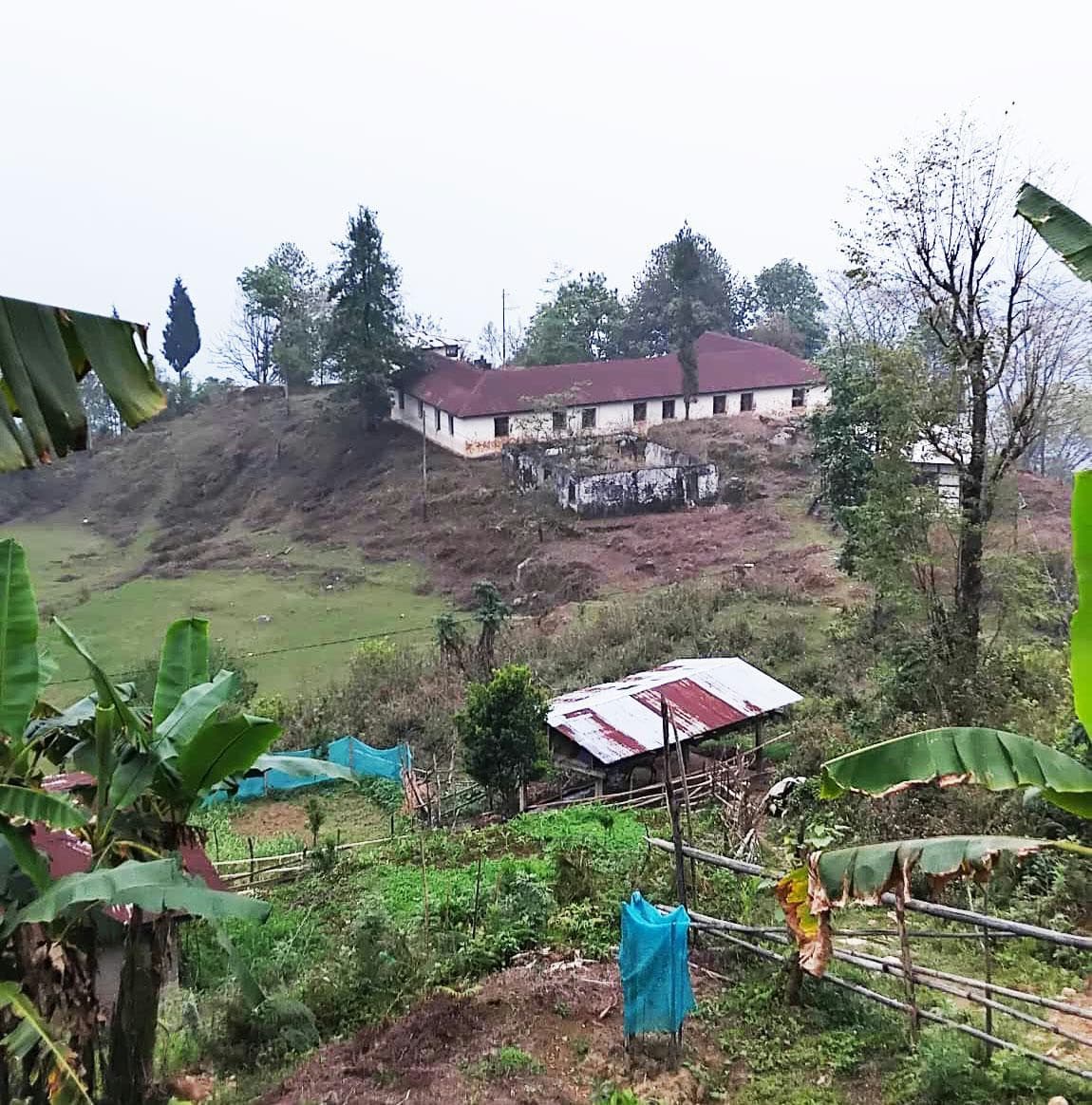
A Transformation Rooted in Hope 🌾
In the misty hills of Gozhi Gewog, Dagana, the once-abandoned Dogak Community School is witnessing a remarkable transformation. This change, driven by the resilience and determination of local women, has turned the desolate school grounds into a thriving farming project.
Established in 1977, the Dogak Community School closed its doors in 2017 due to dwindling student numbers—an unfortunate result of rural depopulation affecting many Bhutanese villages. However, what was once a symbol of decline is now a beacon of hope and opportunity.
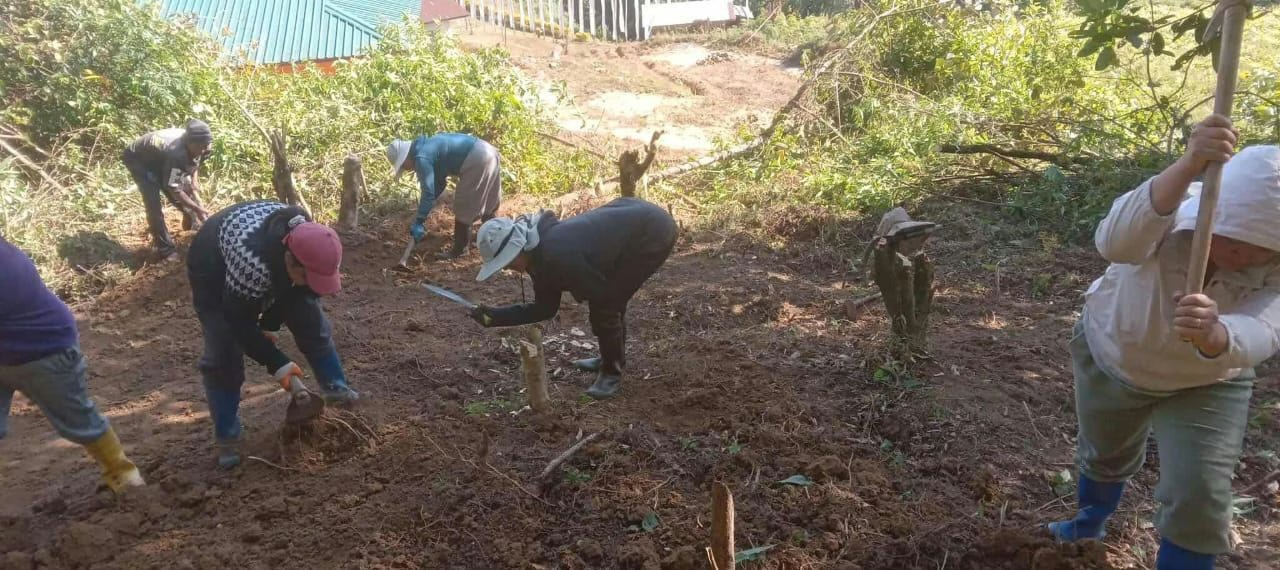
Women at the Helm of Change 👩🌾
At the heart of this transformation are seven dedicated women from the Community Engagement Platform (CEP). These women, many from economically challenging backgrounds, have embraced this initiative as a means to generate income and foster community resilience. Supported by the Local Area Potential-Based Economic Development (LAPBED) programme and the Performance-Based Climate Resilient Grant, the project has received funding assistance of Nu 1.5 million from the European Union, ensuring its viability until 2027.
This project is not just about agriculture; it is about empowerment. By engaging in this venture, these women are not only improving their livelihoods but also setting an example of sustainable development.
From Classrooms to Cultivation 🌱
The transition of the school's five-acre land into a farming hub has been meticulous. With irrigation lines and water tanks installed, the land is ready for cultivation. Planned crops include aloe vera, cardamom, coffee, quinoa, soybeans, and various fruits and vegetables. The strategic location of Dogak, just five kilometers from Dagapela town, provides promising market access for these produce.
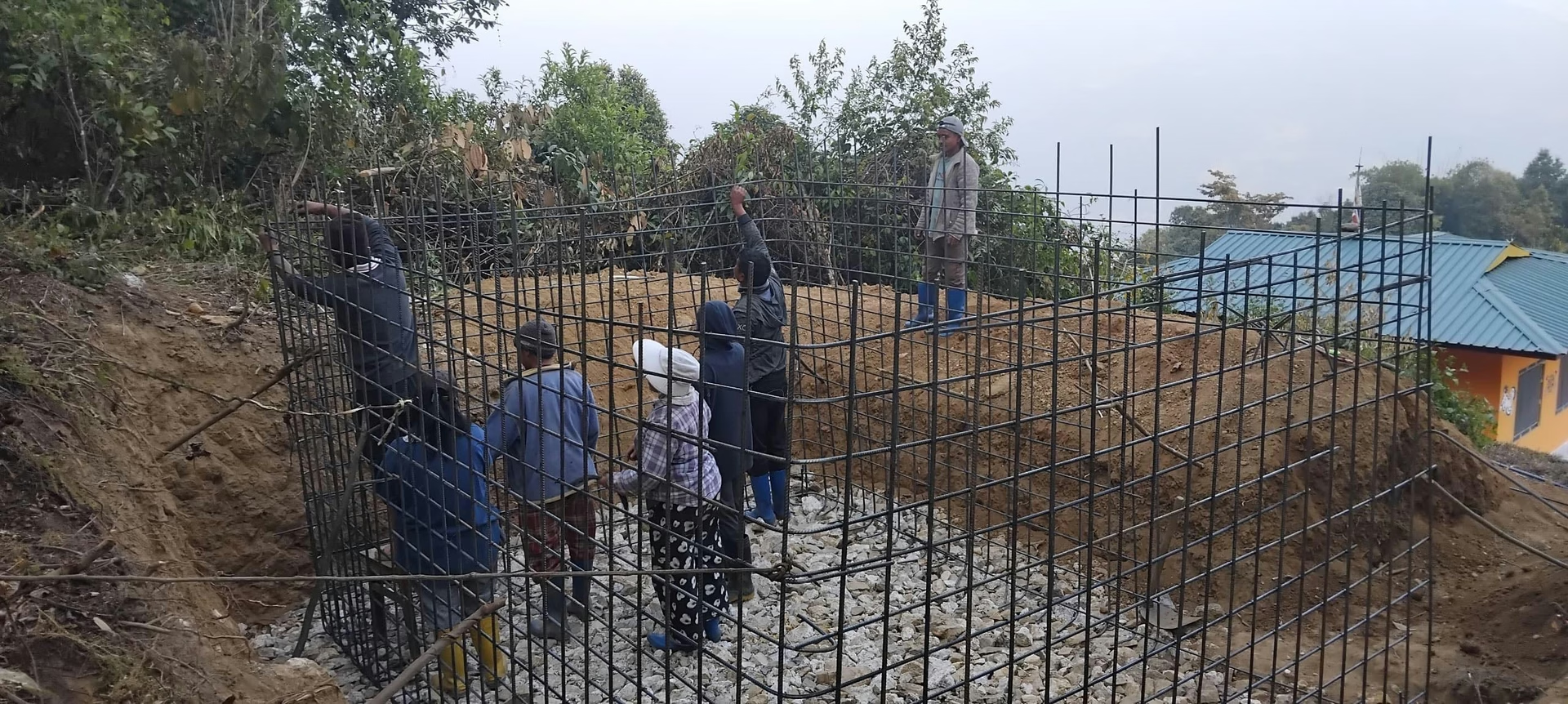
Economic and Environmental Impact 🌿
This initiative not only aims to diversify household incomes but also to promote environmentally sustainable farming practices. The project capitalizes on the strategic proximity to market outlets and aims to supply wellness products to the Gelephu Mindfulness City, where demand is growing. Moreover, partnerships with local institutions promise to enhance market access and support.
Overcoming Challenges 🌟
Despite the optimism, challenges remain. The group faces hurdles such as a lack of trained personnel in advanced farming techniques and delays in accessing approved funds. Training in horticulture management and securing necessary equipment are critical for the project's sustainability.
However, with the continued support from the Dagana Dzongkhag Administration and the EU, these challenges are being addressed. The commitment to providing technical assistance and training is evident, highlighting the project's potential as a model for rural revival across Bhutan.
A Broader Vision for Rural Bhutan 🌄
This project is part of a larger governance initiative under LAPBED, supporting 13 similar projects nationwide. By fostering rural entrepreneurship and resilience, these projects aim to reverse the trend of rural depopulation and create sustainable, vibrant communities.
In conclusion, the transformation of the abandoned Dogak school into a productive farming project is a testament to the power of community spirit and women's leadership. As the project continues to grow, it serves as an inspiring example of how abandoned spaces can be revitalized to benefit entire communities.
You May Also Like
News
Women Entrepreneurs Master AI and Digital Tools in Phuentsholing
September 1, 2026
News
Can Samtse Keep Up With Its Growing Workforce?
August 29, 2026
News
Nepal Flood Exposes Critical Gaps in Bhutan's Early Warning Systems
August 29, 2026
News
High Court Overturns Acquittal: Doctor Sentenced to 10 Years for Child Sexual Abuse
August 29, 2026