Category:
EconomyGovernment Tackles Potato Farming Crisis with Strategic Reforms
The Persistent Struggle of Potato Farmers 🥔
Potato farming in the region faces an unprecedented crisis that threatens the livelihoods of thousands of agricultural workers. Year after year, farmers witness the same troubling pattern: abundant harvests coinciding with plummeting market prices and severely restricted buyer networks. This seasonal predicament forces many cultivators to accept significantly reduced compensation for their hard-earned produce, creating a cycle of economic hardship that extends far beyond individual farm gates.
The core issue stems from a fundamental market imbalance. When harvest season arrives, supply surges dramatically while demand remains relatively stagnant. Farmers, unable to store excess inventory for extended periods, face mounting pressure to liquidate their crops quickly, often at whatever price buyers dictate. This dynamic has sparked serious concern among policymakers and agricultural stakeholders alike.
Government Intervention and Policy Response 🏛️
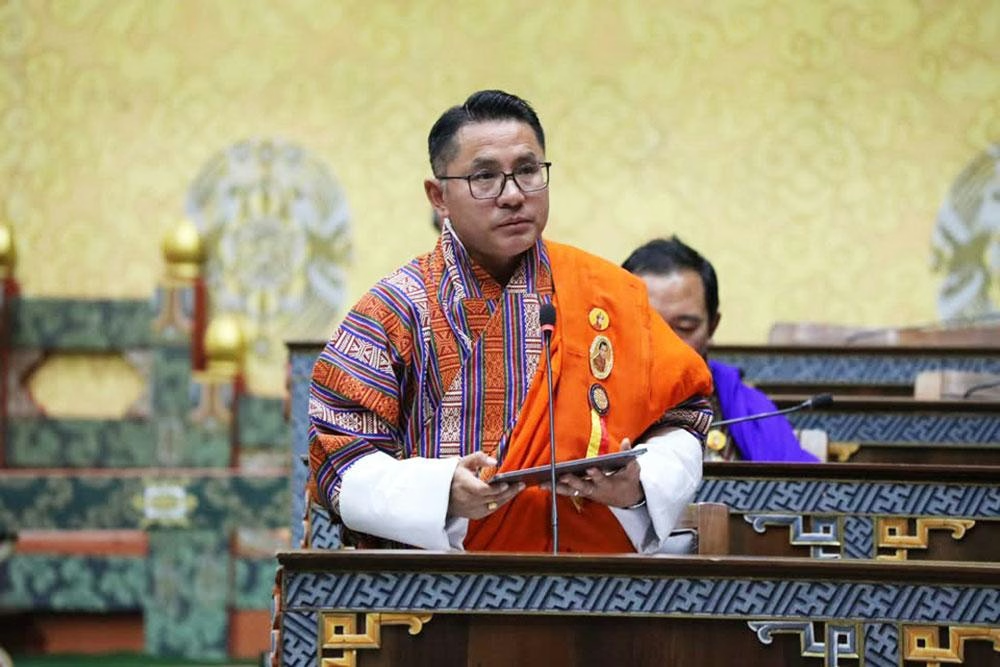
Recognizing the urgency of the situation, governmental bodies have begun implementing targeted interventions. The Agriculture Minister has publicly acknowledged the ongoing challenges and outlined concrete steps being taken to stabilize the sector. According to recent statements, the government successfully procured approximately 1,300 metric tonnes of potatoes during the previous agricultural cycle, subsequently distributing these supplies to institutional buyers including schools, hospitals, and government facilities.
This procurement strategy represents more than mere charity—it functions as a market stabilization mechanism that absorbs surplus production and prevents catastrophic price collapses. The government intends to replicate this initiative during the current season, demonstrating a commitment to sustained intervention rather than one-time relief measures.

The Storage Challenge: A Critical Bottleneck ⏳
One of the most pressing technical obstacles confronting the industry involves post-harvest preservation. Potatoes possess a limited shelf life—typically three to four months maximum before sprouting and deterioration commence. This biological constraint severely restricts strategic options for farmers and policymakers attempting to manage supply fluctuations.
Unlike grains that can be stored for extended periods with minimal loss, potatoes demand sophisticated climate-controlled facilities to maintain viability beyond their natural window. The shortage of such infrastructure across the region compounds the challenge significantly. Agricultural officials have identified inadequate storage capacity as a critical vulnerability requiring substantial capital investment and technological upgrades.
Comprehensive Measures Under Review 📋
A specialized parliamentary committee has developed a multifaceted action plan addressing various dimensions of the crisis:
- Import Regulation: Temporarily restricting potato imports during off-season periods to protect domestic farmers from foreign competition when local supply is limited
- Infrastructure Development: Expanding and modernizing storage facilities to extend product shelf life and enable strategic inventory management
- Private Sector Engagement: Actively encouraging commercial enterprises to participate in potato marketing and distribution networks
- Market Diversification: Identifying and developing new export destinations beyond traditional regional partners
- Logistics Support: Implementing transportation subsidies to reduce farmer costs and improve market accessibility
These recommendations reflect a comprehensive understanding that no single intervention can resolve the multifaceted challenges affecting the sector. Instead, a coordinated approach addressing supply management, infrastructure, market access, and financial support offers the most promising pathway forward.
Private Sector Participation: Opportunities and Obstacles 💼
Private businesses have begun stepping into the potato marketing space, recognizing both commercial opportunity and social responsibility. However, these enterprises encounter significant obstacles that threaten their sustainability and willingness to continue operations. Payment delays from international buyers, particularly from neighboring countries, create cash flow challenges that can devastate smaller commercial ventures.
The Agriculture Minister emphasized that private sector participants require targeted government support to overcome these financial barriers. Without intervention, even well-intentioned businesses may withdraw from the market, leaving farmers without alternative sales channels. This recognition signals a shift toward understanding that farmer welfare depends not only on direct support but also on creating viable business conditions for intermediaries and traders.
Exploring International Markets Beyond Borders 🌍
Government officials are actively pursuing market expansion strategies that transcend traditional regional trading patterns. While India and Nepal have historically represented primary export destinations, these established markets often feature saturated conditions and limited growth potential. Emerging opportunities in Southeast Asian markets, particularly Thailand, have attracted serious attention from agricultural planners.
A comprehensive Pest Risk Analysis is currently underway to establish the regulatory framework necessary for Thai market entry. This scientific assessment addresses phytosanitary requirements and disease prevention protocols essential for international agricultural trade. Successful completion of this analysis could unlock significant export opportunities and provide farmers with diversified revenue streams.
Current Market Conditions and Price Realities 📊
Present market dynamics reveal the economic pressures farmers endure daily. At major trading hubs like Phuentsholing, 100 kilograms of potatoes command a minimum price of approximately Nu 350, translating to Nu 3.50 per kilogram. These prices reflect the substantial downward pressure created by oversupply and limited buyer competition. For small-scale farmers with limited production volumes, such prices barely cover cultivation costs, let alone provide meaningful income.
Comparative analysis with international markets demonstrates significant price disparities. Global potato prices fluctuate based on various factors, but regional markets typically offer substantially better returns when supply constraints exist. This reality underscores the importance of market diversification and export development initiatives.
Transportation Support and Logistics Enhancement 🚚
Recognizing that market access requires functional transportation infrastructure, the government has introduced subsidy programs reducing farmer logistics costs. These subsidies effectively lower the net expenses associated with moving produce from farms to markets, improving farmer profitability even when wholesale prices remain depressed.
Transportation support represents a practical acknowledgment that geographic barriers and infrastructure limitations disproportionately disadvantage agricultural producers in remote or underserved regions. By reducing these friction costs, government support makes market participation economically viable for a broader farmer base.
Looking Forward: Ongoing Deliberations and Future Direction 🔮
Parliamentary committees will continue deliberating on the proposed measures during upcoming legislative sessions. Government officials have indicated that some recommendations require careful analysis before implementation, suggesting a measured approach rather than hasty policy adoption. This cautious stance reflects recognition that agricultural policy decisions carry substantial economic consequences affecting thousands of families.
The coming months will prove critical in determining whether proposed interventions receive official endorsement and adequate funding. Successful implementation of comprehensive reform measures could fundamentally transform the sector, providing farmers with greater stability and improved income prospects.
Key Takeaways for Stakeholders 🎯
The potato farming crisis represents a complex challenge requiring multifaceted solutions involving government intervention, private sector participation, infrastructure investment, and market development. While significant obstacles remain—particularly regarding storage capacity and international market access—the current policy discussions demonstrate serious commitment to addressing farmer welfare concerns.
Success will depend on coordinated implementation of storage improvements, market diversification initiatives, private sector support mechanisms, and continued government procurement programs. Farmers, policymakers, and commercial stakeholders must work collaboratively to build a more resilient and sustainable agricultural system that provides stable livelihoods while ensuring food security for the broader population.
You May Also Like

Economy
Bhutan Launches First National Valuation Framework
November 19, 2026
Economy
Govt Opens Egg Imports to Private Firms Amid Pricing Crisis
November 18, 2026
Economy
West Bengal's Bumper Harvest Threatens Bhutan's Potato Export Market
November 18, 2026
Economy
Bhutan's Egg Self-Sufficiency Crisis: The Boom-and-Bust Cycle
November 18, 2026