Category:
EconomyGovernment Recoups Fuel Subsidy, Petrol Costs Rise
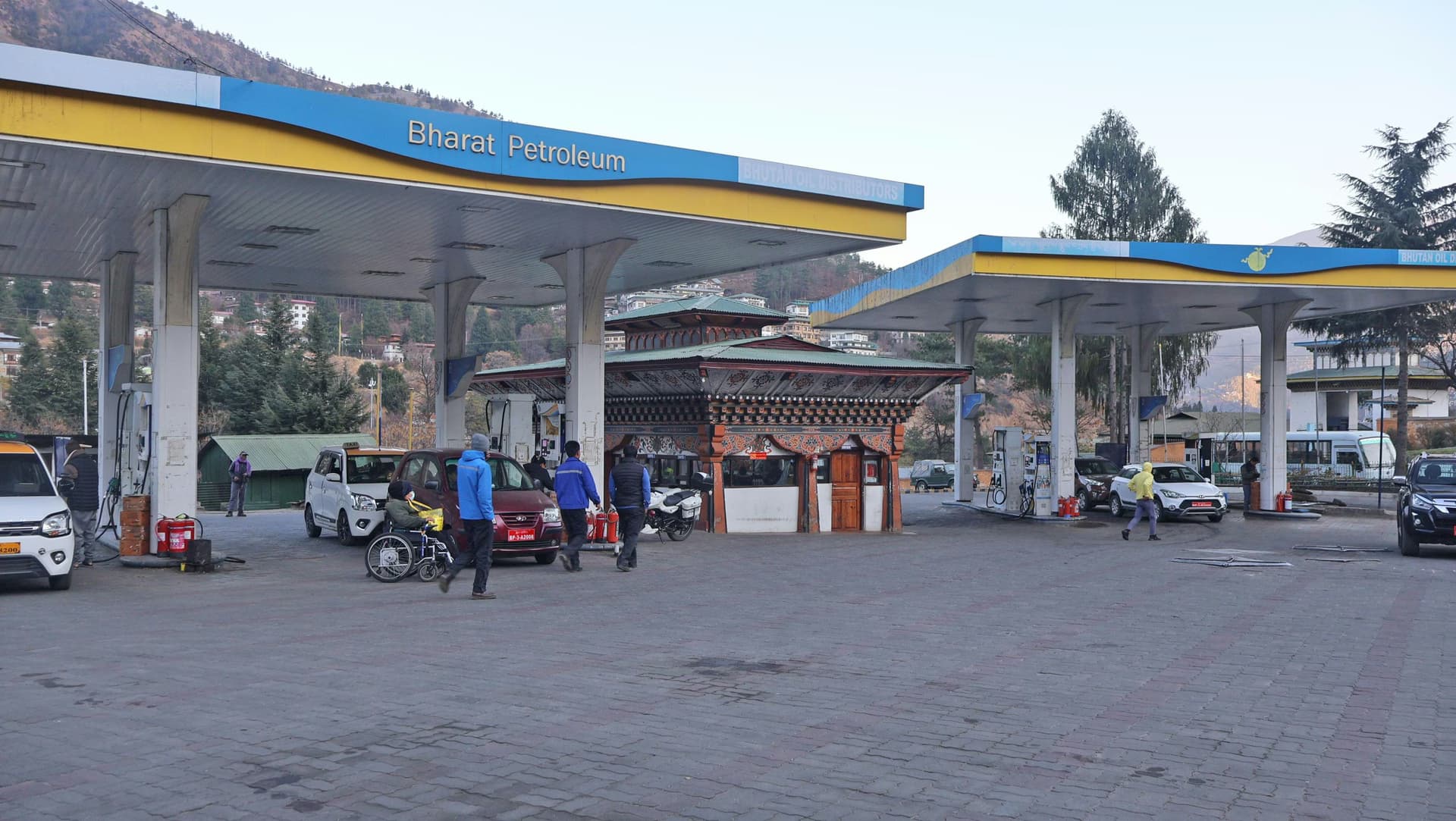
As petrol consumers feel the pinch of rising fuel costs, the Bhutanese government has taken steps to recover subsidies previously granted under the National Fuel Price Smoothening Framework (NFPSF). 🚗💸 This move comes at a time when global fuel prices are fluctuating, impacting consumers and the economy alike.
The NFPSF: A Brief Overview
In response to a global energy price shock, the NFPSF was introduced on March 21, 2026. Its aim was to stabilize fuel prices amidst international volatility, particularly due to conflicts in the Middle East. While diesel was the primary beneficiary of this framework, receiving support in seven out of eight price revisions, petrol received assistance only three times. As of July 1, 2023, total support under this framework amounted to Nu 1.824 billion.
Why Diesel Took Center Stage
Diesel's importance in transport and industrial sectors justified the majority of the subsidy. It was crucial to maintain diesel prices below Nu 105 per litre in Thimphu, aligning it with prices in neighboring regions like West Bengal. This was essential to keep economic activities, such as transport and manufacturing, running smoothly. 🔧🚚
The Impact on Petrol Consumers
Despite the easing of global petrol prices, the Bhutanese government has maintained retail prices, which disproportionately affects petrol consumers. According to the Ministry of Finance, only 4% of the total support was allocated to petrol consumers, raising concerns about fairness in subsidy recovery.
Imbalance and Market Dynamics
Recent shifts in the Indian fuel market have also influenced Bhutan. India's decision to adjust export duties—raising those on diesel while lowering them on petrol—reflects broader market trends. While these duties don't directly apply to Bhutanese imports, they signal a tighter diesel market compared to petrol.
Current Price Recovery Strategy
Since July 2, 2023, the Bhutanese government has been recovering Nu 7.79 per litre as part of the subsidy recoupment strategy. However, due to steeper declines in petrol import costs compared to diesel, the effective recovery from petrol consumers might exceed this amount, potentially reaching double digits. This adjustment is particularly burdensome for those relying on petrol for daily transportation, such as taxis and delivery services. 🚕📦
Economic Implications
The NFPSF's role in cushioning the impact of volatile global fuel prices cannot be understated. Without it, inflation rates in Bhutan could have soared beyond the recorded 6.6% in April and 7.72% in May. The Ministry of Finance’s outlook report suggests that such measures were vital in preventing inflation from hitting double digits.
Looking Ahead
With ongoing conflicts in the Middle East and uncertainties in key energy routes like the Strait of Hormuz, the global fuel market remains unpredictable. The Bhutanese government’s strategy will need to adapt to these changes while balancing recovery efforts with consumer protection.
Key Takeaways
- Petrol consumers are bearing a significant portion of the subsidy recovery, despite receiving less initial support.
- Diesel’s economic significance justified its priority in subsidy distribution during the price shock.
- Market conditions in India and global geopolitical tensions continue to influence Bhutan’s fuel pricing strategies.
As Bhutan navigates these complex dynamics, the focus remains on finding a balance between economic stability and consumer welfare. 📊🛢️
You May Also Like

Economy
BCCI Elects New Leadership Team to Drive Business Growth
October 15, 2026

Economy
Indian Banks Slow to Adopt Bhutanese UPI Payments
October 12, 2026
Economy
Government Addresses 400+ Business Issues to Boost Economy
October 10, 2026
Economy
Bhutan's Bold Vision: Two USD 50M Enterprises by 2030
September 27, 2026