Category:
EconomyBhutan's Luxury Hotels: High Rates, Low Wages
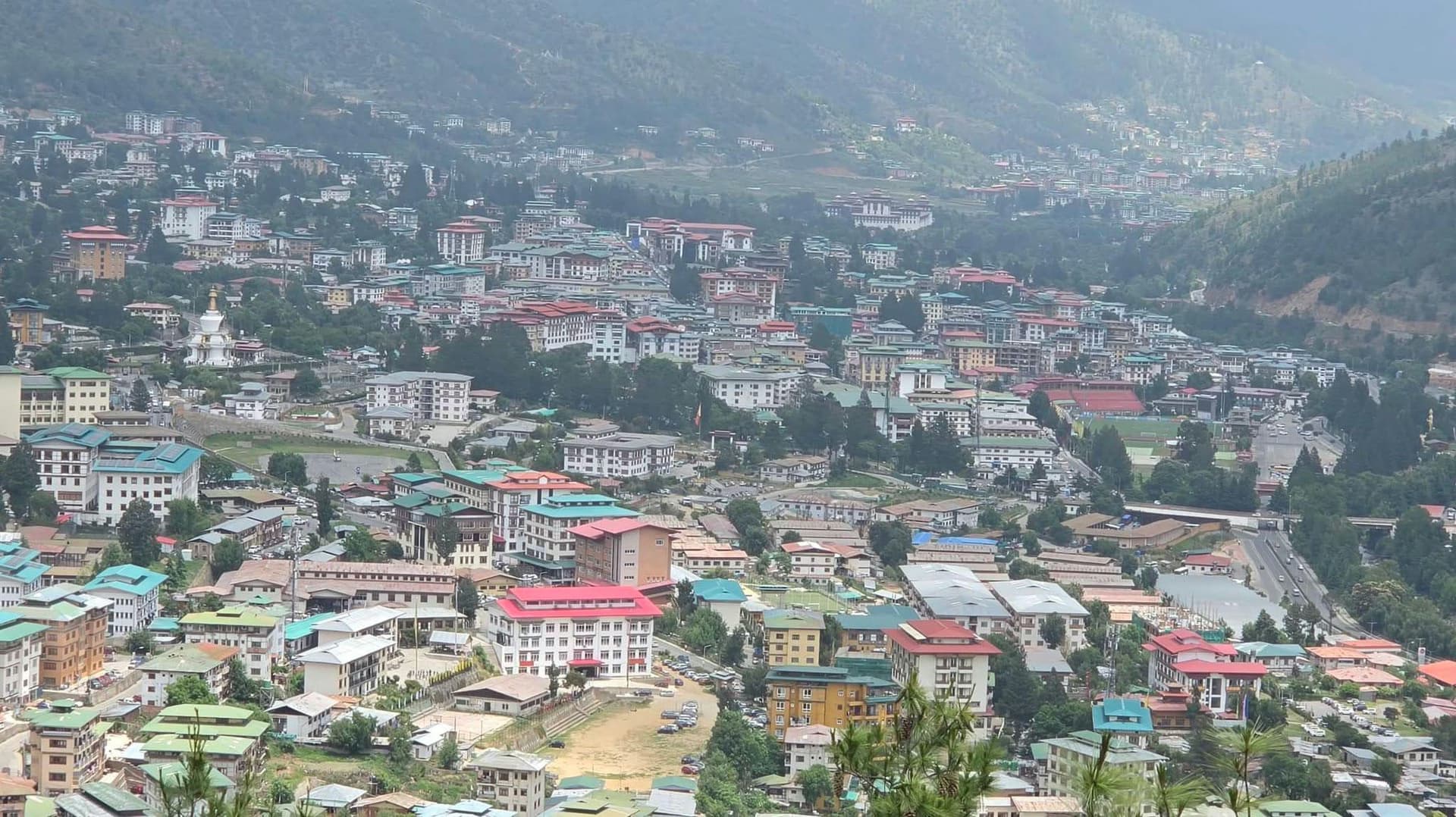
Introduction to Bhutan's Hospitality Landscape
Bhutan, nestled in the majestic Himalayas, is renowned for its serene landscapes and rich cultural tapestry. Its luxury hotels and resorts are no exception, offering guests an experience of opulence amid breathtaking backdrops. However, beneath the polished exteriors and premium pricing lies a stark reality: the wages of frontline staff remain disproportionately low compared to the revenues these establishments generate. 🌟✨
The Price of Luxury
Luxury hotels in Bhutan charge hefty rates, with prices ranging from USD 400 to over USD 4,000 per night. Some exclusive villas even exceed USD 8,000 during peak seasons. Despite these high tariffs, frontline employees—those who are the face of the hospitality experience—are paid significantly less, creating a widening gap between service delivery and compensation. ⚖️
While tourists pay top dollar, many employees in roles like front-office and housekeeping earn as little as Nu 8,000 per month, barely enough to cover basic living expenses in urban centers like Thimphu. These wages are supplemented by bonuses and service charges, but these fluctuate with tourist occupancy, leaving many workers financially insecure. 📉
A Steep Hierarchy
The hospitality sector's pay structure reveals a steep hierarchy. While expatriate managers can earn between Nu 150,000 and Nu 180,000 monthly, Bhutanese counterparts earn significantly less, even in similar roles. A typical Bhutanese manager might earn between Nu 35,000 and Nu 80,000, highlighting the economic disparity within the industry. This wage gap reflects broader trends in the global hospitality sector, where expatriate expertise is often valued over local talent. 🌍
Impact on Employee Morale and Productivity
The disparity in wages has a profound impact on employee morale and productivity. Studies indicate that wage gaps in luxury hospitality can lead to decreased job satisfaction, motivation, and ultimately, a decline in service quality. Employees may feel undervalued, resulting in a lack of long-term commitment to the industry. "Low wages also make the hospitality sector less attractive to young people," noted a former hotel manager. 📉😞
Economic Implications
Economists argue that the economic disconnect between luxury hotel revenues and employee wages limits household spending and broader economic growth. While luxury hotels generate substantial income, the limited wage growth means that much of this revenue does not circulate through the local economy. This phenomenon weakens consumer spending, slowing down economic progress. 📉💼
Broader Industry Trends
Globally, the hospitality industry is grappling with similar challenges. The focus on high-value, low-impact tourism aims to protect cultural integrity and the environment, but it also necessitates a workforce that feels adequately compensated and valued. Bhutan's tourism policy emphasizes sustainable development, yet the current wage model undermines these goals by fostering economic inequality. 🌿🌏
Looking Ahead
To address these issues, stakeholders must consider revising compensation models to ensure fair wages for all employees. This could help retain skilled workers and maintain high service standards, aligning with Bhutan's tourism ethos. Additionally, investment in training and development could empower local talent, reducing reliance on expatriates and promoting sustainable growth. 💡🚀
Conclusion
As Bhutan continues to grow as a luxury destination, the focus should not only be on maintaining premium standards but also on ensuring equitable compensation for those who make these experiences possible. Balancing high-end tourism with fair labor practices is crucial for fostering a sustainable and inclusive economy. 🌟✨
By addressing these disparities, Bhutan can continue to offer unparalleled hospitality experiences while championing economic equality and sustainable development.
You May Also Like

Economy
Indian Banks Slow to Adopt Bhutanese UPI Payments
October 12, 2026
Economy
Government Addresses 400+ Business Issues to Boost Economy
October 10, 2026
Economy
Bhutan's Bold Vision: Two USD 50M Enterprises by 2030
September 27, 2026
Economy
Mega Dry Port in Pasakha: Bhutan's Trade Revolution
September 25, 2026