Category:
EducationGovernment Launches Free Supplies Program for 10,000 Disadvantaged Students
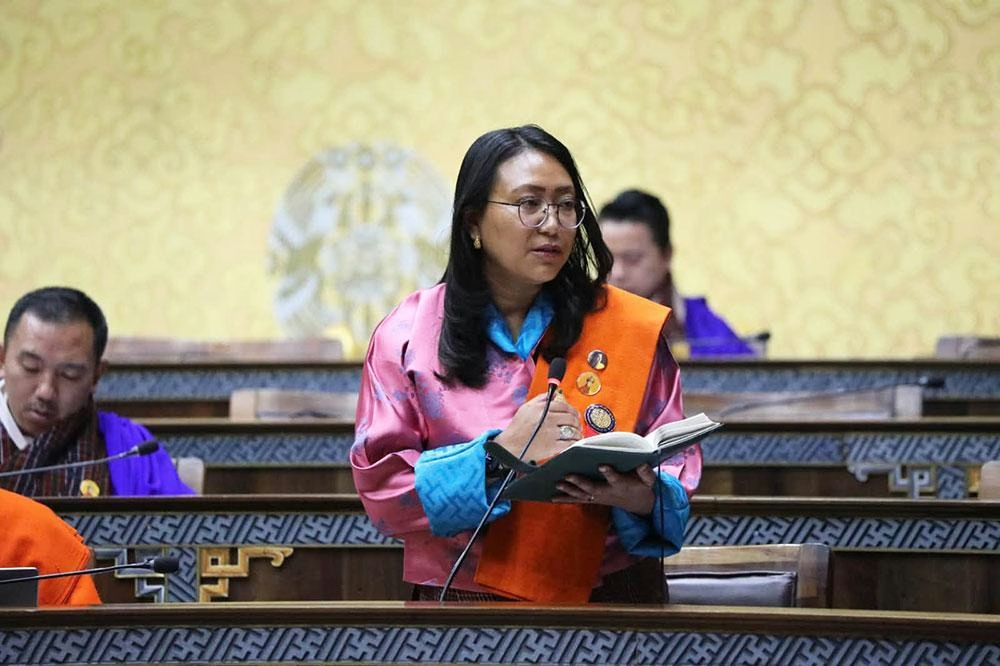
A Landmark Initiative Transforming Educational Access in Bhutan 🎓
Bhutan is taking a decisive step toward educational equity with an ambitious government program designed to provide essential supplies to thousands of underprivileged learners. This transformative initiative represents a significant commitment to breaking down financial barriers that have long prevented economically disadvantaged families from accessing quality education. The government's strategic investment in student welfare signals a renewed focus on creating truly inclusive learning environments across the nation.
The scope of this initiative extends far beyond symbolic gestures. Approximately 10,000 students from economically disadvantaged backgrounds throughout the country will receive crucial support, fundamentally changing their educational experience. This comprehensive approach addresses one of the most persistent challenges in developing education systems: the ability of low-income families to afford basic school necessities.
Understanding the Scale of Investment 💰
The financial commitment behind this program underscores its importance within national priorities. The government has endorsed a substantial budget of Nu 258 million specifically dedicated to supporting disadvantaged students across the country. When combined with an additional Nu 370 million allocated for Central Schools students, the total endorsed budget reaches Nu 628 million—a considerable investment reflecting genuine policy commitment.
This dual-track approach demonstrates sophisticated policy thinking. By allocating resources both to Central Schools and to disadvantaged students more broadly, the government ensures that support reaches those most in need, regardless of which educational institution they attend. The financial framework provides a clear roadmap for implementation while acknowledging the diverse needs of Bhutan's student population.
What Students Will Receive 📚
The free supplies program encompasses the essential items that directly impact educational participation and success:
- School uniforms that eliminate visible economic disparities in classrooms
- Comprehensive stationery packages enabling full participation in academic activities
- Quality bedding for residential students requiring comfortable accommodation
- Additional support items tailored to individual school requirements
These seemingly basic provisions carry profound significance for disadvantaged learners. When families struggle with household expenses, purchasing school uniforms and stationery often represents impossible financial choices. By removing these barriers, the government creates conditions where students can focus entirely on their studies rather than worrying about meeting basic material requirements.
Central Schools: Hubs of Excellence and Support 🏫
Central Schools occupy a crucial position within Bhutan's educational infrastructure. These residential institutions serve as centers of academic excellence while providing comprehensive support systems for students, particularly those from remote and rural communities. The government's vision extends beyond merely providing supplies—it encompasses transforming Central Schools into fully supported residential institutions where financial constraints never limit student potential.
The integration of free supplies into Central Schools represents part of a broader infrastructure development strategy. Under the 13th Five-Year Plan, Nu 14 billion has been allocated to revitalize and strengthen 63 existing Central Schools. Additionally, dedicated capital grants support the redevelopment of 20 Central Schools and 17 cluster schools, creating modern facilities that complement the supplies initiative.
This comprehensive approach ensures that infrastructure improvements align with student support services, creating genuinely conducive learning environments where students can thrive academically and personally.
Implementation Timeline and Readiness 📅
The government plans to roll out this ambitious initiative beginning with the 2027 academic session. This staggered timeline allows for proper planning, procurement systems development, and logistics coordination. The Ministry of Education and Skills Development is currently working to secure necessary financial resources and establish distribution mechanisms that will ensure equitable delivery across all regions.
The deliberate implementation schedule reflects realistic project management. Rather than rushing implementation, the government is building robust systems that will sustain the program long-term. This measured approach increases the likelihood of successful, sustainable outcomes that genuinely benefit intended recipients.
Addressing Rural-Urban Educational Disparities 🌄
Educational inequality in many developing nations correlates strongly with geographic location and family income. Rural and low-income families often face compounded challenges in supporting their children's education. By providing free supplies, the government directly addresses these structural inequities that have historically limited educational access for disadvantaged populations.
The program's explicit focus on economically disadvantaged students acknowledges that financial hardship remains the primary barrier preventing many capable learners from accessing quality education. Rural families, in particular, often make painful choices between purchasing school supplies and meeting immediate household needs. This initiative removes that false choice, allowing parents to prioritize their children's education without sacrificing family welfare.
Government's Manifesto Commitment 🇧🇹
This program represents a tangible manifestation of government's electoral promises regarding education and social welfare. The provision of free meals, uniforms, stationery, and bedding at Central Schools emerged as a key manifesto commitment, reflecting public expectations for government action on educational equity. By implementing this initiative, the government demonstrates responsiveness to citizen priorities and commitment to translating political promises into concrete policy outcomes.
Manifesto commitments gain credibility through consistent implementation. This program shows that the government takes educational equity seriously and is willing to allocate substantial resources toward achieving stated objectives. Such follow-through builds public trust and demonstrates that election promises translate into meaningful action.
The Broader Context of Educational Development 📈
Bhutan's investment in student supplies must be understood within the context of broader educational development initiatives. The 13th Five-Year Plan represents a comprehensive approach to strengthening education systems, combining infrastructure investment with direct student support. This holistic strategy recognizes that quality education requires both physical facilities and resources that directly benefit learners.
International research consistently demonstrates that removing financial barriers to education yields significant returns in student achievement, attendance rates, and long-term educational outcomes. Countries implementing similar programs report improved school enrollment, reduced dropout rates, and enhanced academic performance among disadvantaged populations. Bhutan's initiative aligns with evidence-based practices that demonstrate genuine educational impact.
Expected Outcomes and Impact 🌟
The anticipated benefits of this program extend across multiple dimensions:
- Increased school attendance among disadvantaged students who previously faced supply-related barriers
- Enhanced academic performance when students can focus on learning rather than material concerns
- Reduced educational inequality by leveling material disparities between wealthy and disadvantaged learners
- Improved student dignity through elimination of visible economic distinctions in school settings
- Strengthened family-school relationships when families feel government support for their children's education
These outcomes create multiplier effects throughout society. When disadvantaged students complete education successfully, they increase earning potential, improve employment prospects, and contribute more substantially to economic development. Educational equity investments thus represent not merely social welfare but strategic economic development.
Implementation Challenges and Solutions 🔧
Rolling out a program of this scale requires addressing significant logistical challenges. Distribution systems must reach remote areas reliably. Quality standards must remain consistent across diverse contexts. Supply chains must function efficiently despite geographic constraints. The Ministry of Education and Skills Development is actively developing systems to overcome these challenges.
Successful implementation will require coordination across multiple government agencies, careful inventory management, and robust monitoring systems. The deliberate timeline allows for developing these systems without rushing implementation that could result in inefficiency or inequitable distribution.
Looking Forward: Strengthening Educational Equity 🚀
This initiative represents a pivotal moment in Bhutan's educational development. By committing substantial resources to removing financial barriers for disadvantaged students, the government acknowledges that educational equity requires active intervention. The program demonstrates that achieving inclusive, quality education demands more than good intentions—it requires sustained financial commitment and systematic implementation.
The success of this program will likely influence future educational policy. If implementation proceeds smoothly and produces anticipated benefits, it could serve as a model for additional equity-focused initiatives. Conversely, lessons learned will inform refinements that enhance program effectiveness and efficiency.
Key Takeaways 💡
Bhutan's free supplies program for disadvantaged students represents a transformative commitment to educational equity. Through substantial budget allocation, comprehensive supply provision, and integration with broader infrastructure development, the government is creating conditions where financial circumstances need not determine educational opportunity. As implementation begins in 2027, this initiative will serve as a powerful demonstration of whether targeted government investment can genuinely transform educational access and outcomes for Bhutan's most vulnerable learners.
You May Also Like
Education
NA Endorses Key Recommendations to Boost ECCD Access
November 26, 2026
Education
Home-Based Early Childhood Intervention Shows Transformative Impact
November 25, 2026

Education
College Stipend Increase: What Students Need to Know
November 21, 2026
Education
Education Must Rise Above Political Whims
November 21, 2026