Category:
NewsGoongtong: Bhutan's Rural Exodus Challenge
The Rise of Goongtong: A National Concern
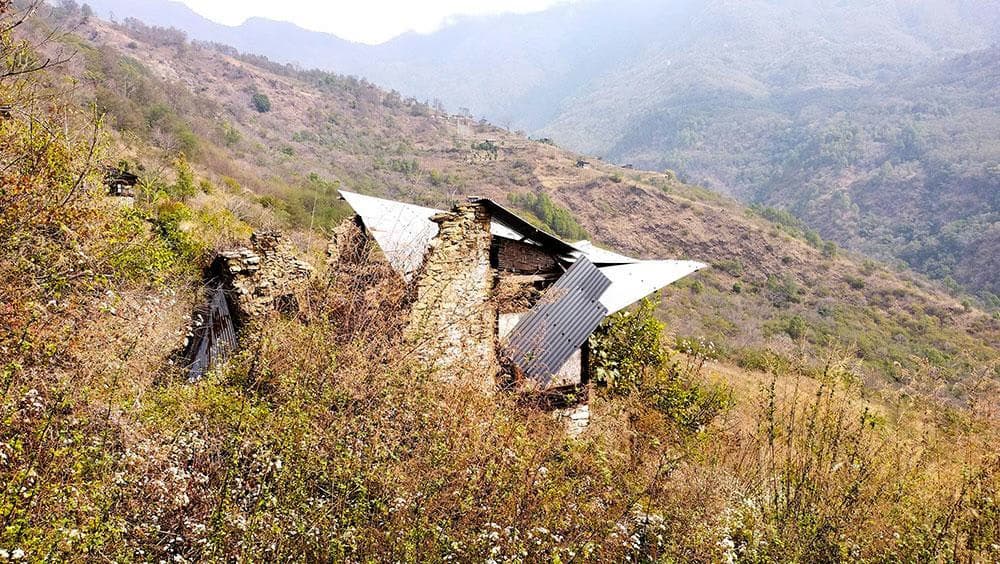
In recent years, Bhutan has witnessed a growing phenomenon known as goongtong—empty or abandoned houses in rural areas. This trend poses a significant development challenge, threatening the nation’s cultural and social fabric. If current trends continue, half of Bhutan's population could be living in urban areas by 2037, exacerbating this issue.
The numbers are telling. As of April, around 6,000 goongtongs were recorded across Bhutan. Some regions are particularly affected; for example, in Tongmijangsa Gewog, Trashiyangtse, 149 out of 372 households are abandoned. Similarly, Bartsham Gewog in Trashigang sees 140 out of 540 homes vacant.
Causes of the Goongtong Phenomenon 🌱
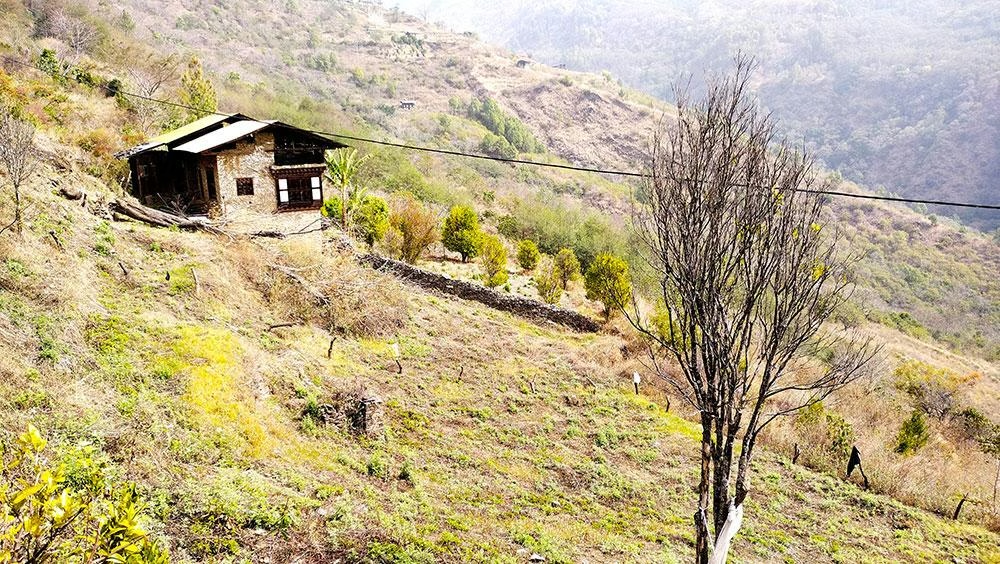
Several factors contribute to this rural exodus:
- Urban Migration: Many seek better employment, education, and healthcare in cities like Thimphu and Phuentsholing.
- Declining Youth Interest in Farming: Younger generations are less inclined to pursue agriculture.
- Ageing Population: An ageing rural demographic leaves homes uninhabited.
- Economic and Infrastructure Deficiencies: Limited opportunities and poor infrastructure accelerate migration.
The Broader Implications of Goongtong
If left unchecked, goongtong could lead to widespread socio-economic and environmental issues:
- Economic Impact: Abandoned farmlands reduce agricultural productivity, increasing dependency on imports.
- Social and Cultural Erosion: The loss of community traditions and practices as population dwindles.
- Environmental Degradation: Unmanaged land can lead to ecosystem imbalance and wildlife encroachment.
Governmental and Parliamentary Responses 🏛️
The National Council's Good Governance Committee (GGC) has highlighted the need for balanced regional development to combat goongtong. Key recommendations include:
- Economic Opportunities: Creating jobs and improving infrastructure in rural areas.
- Fallow Land Conversion Policies: Utilizing the 66,120 acres of uncultivated arable land effectively.
- Agricultural Support: Implementing crop insurance, providing subsidies, and enhancing access to farm machinery.
Future Outlook: A Call for Action 🔍
The future of Bhutan's rural communities hinges on strategic interventions. By fostering economic growth and improving living standards in rural regions, Bhutan can mitigate the impact of goongtong. The government’s proactive approach, alongside community engagement, will be crucial in preserving Bhutan’s cultural heritage and ensuring sustainable development.
Conclusion: Bridging the Urban-Rural Divide
Addressing the goongtong challenge is essential for Bhutan's balanced progress. By implementing innovative solutions and policies, Bhutan can bridge the urban-rural divide, ensuring a vibrant future for all its citizens.