Category:
EnvironmentFuel Shortages Highlight Need for Electric Mobility
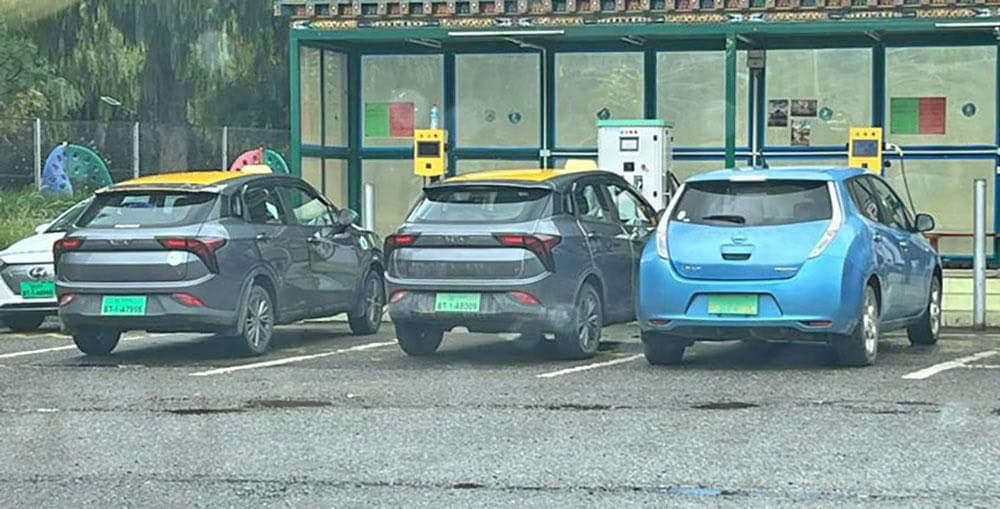
In recent weeks, the global landscape has been marred by fuel shortages, causing long queues at fuel stations and escalating prices. 🌍 This scenario underscores a pressing need for nations to rethink their energy strategies and look towards sustainable alternatives, such as electric mobility.
Bhutan's Unique Position in the Energy Crisis
Bhutan, a small yet visionary nation, finds itself at a crossroads. Despite being carbon negative thanks to its reliance on hydropower, Bhutan's transport sector remains heavily dependent on fossil fuels. This reliance has significant implications, from economic vulnerabilities to environmental impacts.
The current fuel crisis serves as a stark reminder of Bhutan's dependency on imported petrol and diesel, which ties its economy to global fluctuations. The economic strain is palpable, with fuel subsidies costing the government an estimated Nu 1.3 billion monthly. 📉
Electric Mobility: A Path to Resilience
Electric vehicles (EVs) present a viable solution to these challenges. By leveraging Bhutan's abundant hydropower resources, EVs can drastically reduce fuel imports, lower emissions, and enhance national energy security. 🚗⚡
The Taxi Sector: Leading the Charge
Bhutan's journey towards electric mobility began with the taxi sector, a significant consumer of fossil fuels. With support from the United Nations Development Programme (UNDP) and the Global Environment Facility (GEF), many taxi operators have transitioned to electric vehicles. This shift has not only reduced operational costs but also boosted public confidence in EVs.
Building a Comprehensive EV Ecosystem
Transitioning to electric mobility involves more than just adopting electric vehicles. It requires building an ecosystem that supports this shift:
- Policy Reforms: Addressing regulatory barriers that hinder EV adoption.
- Financial Incentives: Offering collateral-free loans to make EVs affordable.
- Infrastructure Development: Expanding charging networks across the country.
- Capacity Building: Training technicians and policymakers in EV technology and regulation.
By 2025, Bhutan had over 1,100 electric vehicles on its roads, a significant increase from just 99 in 2017. This transformation is set to continue with plans for 45 electric buses in Thimphu by the year's end. 🚌
The Broader Impact of Electric Mobility
The benefits of electric mobility extend beyond environmental gains. For Bhutan, it means improved economic resilience, reduced import bills, and a stronger alignment with its climate goals. 🌱
Achieving Zero-Emission Mobility by 2050
Bhutan's ambitious goal of zero-emission mobility by 2050 is within reach. The foundations are in place, but achieving this vision requires sustained investment and a commitment to expanding the clean transport system. The current global fuel crisis only reinforces the urgency of this transition.
Conclusion: Embracing a Sustainable Future
As the world grapples with fuel shortages, Bhutan's experience offers valuable lessons in resilience and sustainability. By accelerating its transition to electric mobility, Bhutan not only safeguards its economy but also sets an example for others to follow. 🔋✨
The path ahead is clear: investing in e-mobility is not just an environmental imperative but an economic one, too. For Bhutan, and indeed the world, the time to act is now.
You May Also Like
Environment
Climate Crisis in the Himalayas: Bhutan's Cold Reminder
August 29, 2026

Environment
WBH Conservation Project Delivers Clean Water to Rural Homes
August 29, 2026
Environment
HKH Climate Crisis: Why Regional Unity Matters Now
August 29, 2026
Environment
Bhutan's Solar Power Revolution: Energy Security Strategy
August 26, 2026