Category:
CultureFaith, Fertility & Tourism at Bhutan's Festival
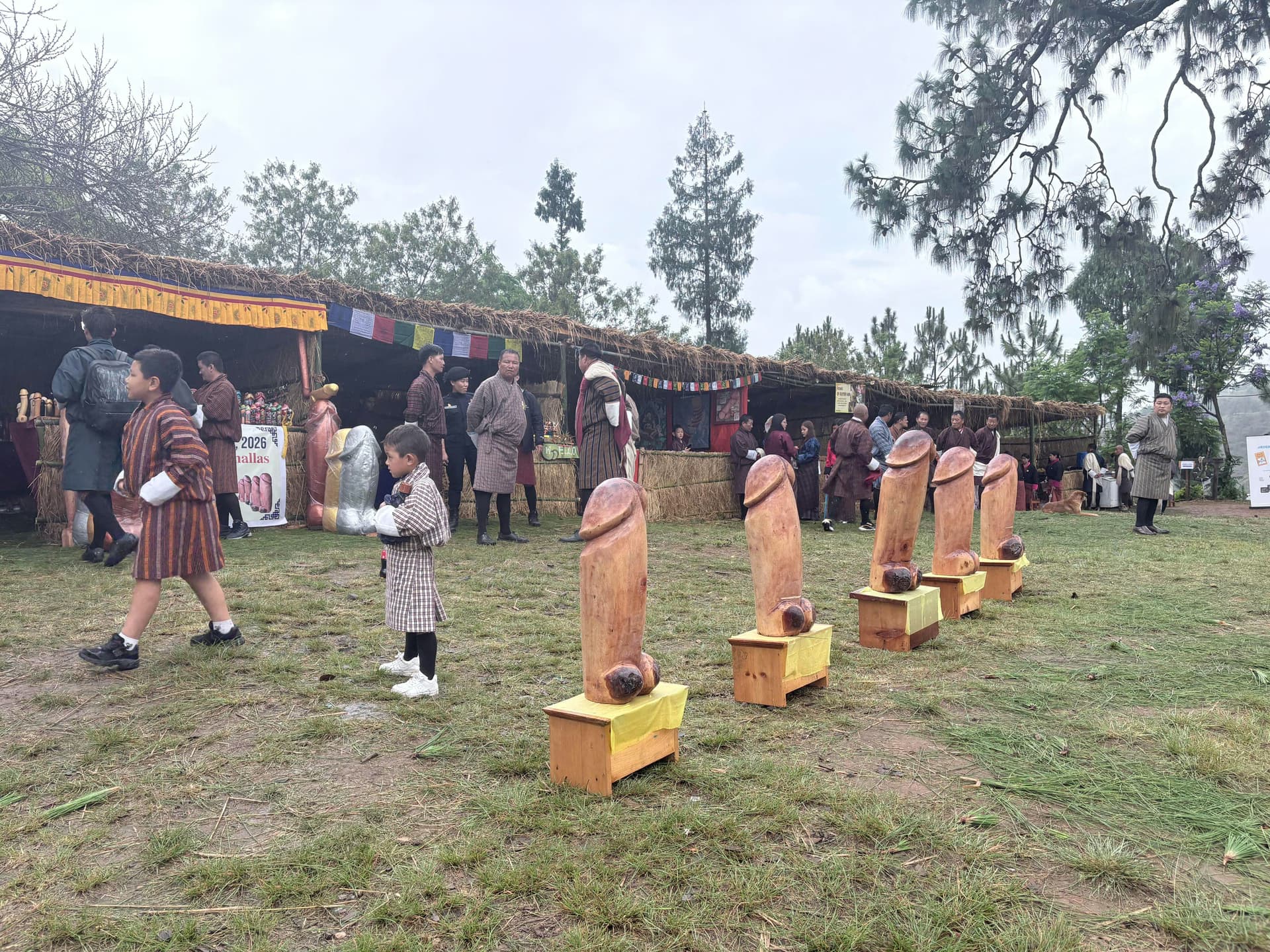
The tranquil land of Bhutan is renowned for its vibrant cultural tapestry and spiritual allure. Among these treasures is the annual Fertility Festival at Chimi Lhakhang, a centuries-old temple dedicated to fertility blessings and the teachings of the renowned Saint Drukpa Kunley. This festival represents a unique convergence of faith, fertility, and tourism, drawing visitors from around the globe. 🌏✨
The Enchanting Chimi Lhakhang
Nestled amidst the scenic rice fields of Punakha, Chimi Lhakhang stands as a beacon of hope and spirituality. The temple, associated with fertility and protection, has become a pilgrimage site for many, including couples seeking blessings for parenthood. The festival, held on May 23 and 24, marks a strategic effort by Bhutan to bolster its spiritual tourism while addressing societal concerns like declining birth rates and outward migration.
A Cultural Revival 🌟
In recent years, Bhutan has faced a significant decline in its fertility rate, now averaging 1.5 children per woman, far below the replacement level of 2.1. This demographic challenge, coupled with the desire to diversify tourism offerings, prompted the Department of Tourism and Punakha Dzongkhag Administration to inaugurate the Fertility Festival as a flagship cultural event.
The festival not only aims to attract couples and spiritual seekers but also cultural travelers interested in Bhutan's unique traditions. By celebrating Chimi Lhakhang's legendary fertility traditions, the festival contributes to Bhutan's broader tourism master plan, which seeks to promote meaningful cultural experiences beyond conventional sightseeing.
A Diverse Gathering
The inaugural festival was a resounding success, attracting 659 international tourists and over 1,100 Bhutanese participants on the first day alone. The following day saw 586 tourists and more than 900 local visitors. This diverse gathering highlights the festival's appeal to a broad audience and its potential to become a staple in Bhutan's cultural calendar.
Balancing Tradition and Tourism
Amidst the excitement, concerns about the commercialization of sacred traditions through tourism were addressed. Organizers, in collaboration with monastic institutions and the Department of Culture, ensured that the festival remained true to its cultural and religious roots. The goal was to revive fading traditions while preserving those that define Bhutan's cultural identity.
The Broader Impact
The Fertility Festival goes beyond the literal aspect of fertility; it symbolizes continuity, prosperity, and well-being. These values are deeply embedded in Bhutanese society, reflecting the importance of family, community harmony, and spirituality. 🌼
For the grieving couple from Mumbai, who attended the festival after losing their young son, the journey to Chimi Lhakhang was about finding solace and hope. Their story underscores the universal quest for healing and blessing that the festival embodies.
Future Prospects 🌄
The Fertility Festival is poised to transform Punakha into a spiritual tourism destination, offering visitors authentic cultural experiences while strengthening the local economy. Whether it will impact demographic trends or simply deepen appreciation for Bhutan's spiritual heritage remains to be seen.
In conclusion, Bhutan's Fertility Festival is a compelling example of how cultural heritage can be leveraged to address contemporary challenges while enriching the tourism landscape. As the festival grows, it promises to be a testament to Bhutan's enduring values and its commitment to cultural preservation.
You May Also Like
Culture
Sacred Heart of 108 Chortens: Bhutan's Spiritual Masterpiece
August 26, 2026
Culture
When Colour Drains From the Scene: Spiritual Gatherings in Bhutan
August 15, 2026
Culture
The Vanishing Trade of Drukor: Bhutan's Fading Cultural Exchange
August 15, 2026
Culture
Yojay: Ancient Buddhist Prayer Practice Goes Global
August 12, 2026