Category:
NewsExploring Bhutan's New Crane Conservation Site
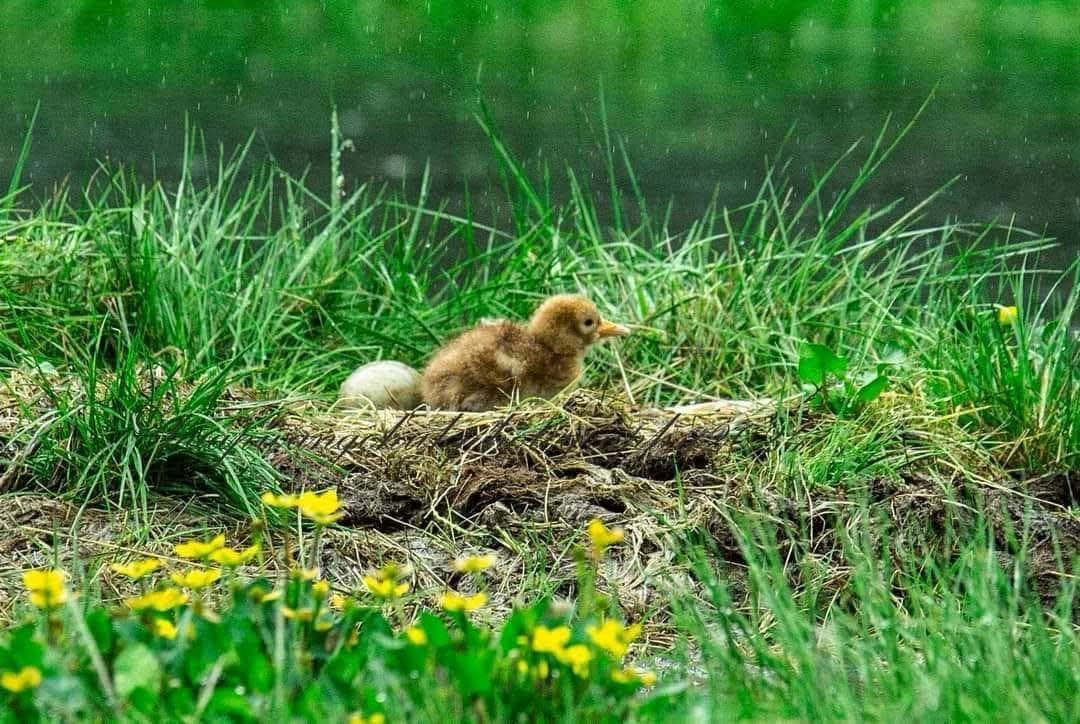
In the heart of Bhutan, a new conservation site has been established to protect the endangered black-necked cranes. This initiative is a significant step towards preserving the biodiversity and natural heritage of the region.
Conservation Efforts in Bhutan 🌿
The establishment of the new crane conservation site highlights Bhutan's commitment to environmental preservation. Located in Haap Dzongkhag, this site is strategically chosen due to its proximity to the high-altitude wetlands, which serve as a vital habitat for the black-necked cranes.
Importance of Black-Necked Cranes 🐦
The black-necked cranes, known for their majestic appearance and cultural significance, are considered a symbol of longevity and fidelity in Bhutanese culture. These cranes migrate to Bhutan during the winter months, making the conservation site crucial for their survival.
Strategic Location and Features 📍
The new site is situated near the Langjopkha valley, an area known for its rich biodiversity and pristine environment. The location offers ideal conditions for the cranes, providing them with food, shelter, and a peaceful breeding ground.
- Climate Adaptation: The site's climate is conducive to the cranes' needs, with its high-altitude, cool temperatures.
- Biodiversity Protection: The area supports a wide range of flora and fauna, contributing to the ecological balance.
Broader Environmental Impact 🌎
This initiative is not just about crane conservation; it reflects Bhutan's broader environmental policies. The country is known for its commitment to Gross National Happiness, which includes ecological sustainability as one of its pillars.
Challenges and Opportunities 🚀
While the establishment of the conservation site is a positive development, it comes with challenges. These include maintaining the delicate ecological balance and ensuring that human activities do not disrupt the cranes' habitat.
- Community Involvement: Engaging local communities in conservation efforts is crucial. Initiatives to educate and involve residents can ensure the site's success.
- Sustainable Tourism: There is potential to develop eco-tourism that can generate income for local communities while promoting conservation.
Future Prospects 🌟
Looking ahead, the conservation site is expected to play a vital role in research and education. Scientists and conservationists will have the opportunity to study the cranes' behavior and migration patterns, gaining insights that can inform future conservation strategies.
Conclusion 🏁
Bhutan's new crane conservation site is a testament to the nation's dedication to preserving its natural heritage. As the site develops, it promises to be a beacon of hope for the black-necked cranes and a model for conservation efforts worldwide.
By prioritizing biodiversity and engaging local communities, Bhutan continues to lead by example in the realm of environmental preservation. This initiative not only protects a species but also enriches Bhutan's cultural and ecological landscape.
You May Also Like
News
Women Entrepreneurs Master AI and Digital Tools in Phuentsholing
September 1, 2026
News
Can Samtse Keep Up With Its Growing Workforce?
August 29, 2026
News
Nepal Flood Exposes Critical Gaps in Bhutan's Early Warning Systems
August 29, 2026
News
High Court Overturns Acquittal: Doctor Sentenced to 10 Years for Child Sexual Abuse
August 29, 2026