Category:
PoliticsCo-operatives Bill Faces Joint Sitting Over Audit Dispute
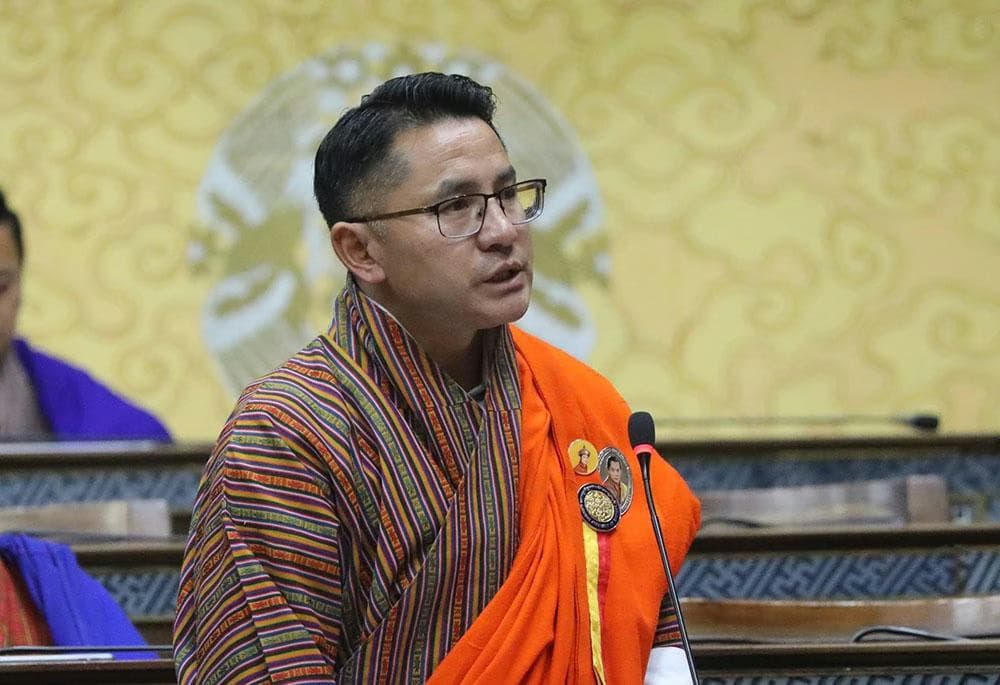
The Co-operatives and Farmer Groups Bill of Bhutan 2025 is set to reach a critical juncture as it heads to a Joint Sitting of Parliament. This development comes after a deadlock in Parliament over a pivotal audit clause, reflecting the complexities of Bhutan's legislative process.
The Audit Clause Conundrum 🔍
The bill, aimed at establishing a robust legal framework for co-operatives and farmer groups, faced contention over who should audit these entities. While the National Assembly and National Council agreed on most amendments, the auditing provision became a sticking point. The Council proposed that dzongkhag internal auditors handle audits for federations and co-operatives, diverging from the earlier requirement for certified auditors.
Historical Context and Legislative Journey 📜
First adopted by the National Assembly in December 2025, the bill was modified by the National Council in June, with the aim of refining terminology and ensuring consistency. The Council's amendments, primarily technical, were mostly accepted by the Social and Cultural Committee (SCC). However, the audit clause remained unresolved, leading to its classification as a disputed section.
Co-operatives in Bhutan: An Overview 🌾
Co-operatives play a vital role in Bhutan's economy, particularly in the Renewable Natural Resources (RNR) sector. According to the Department of Agricultural Marketing and Co-operatives, Bhutan hosts 719 farmer groups, 120 co-operatives, and two federations. This bill seeks to streamline their regulation, addressing historical challenges and repealing outdated legislations such as the Co-operatives (Amendment) Act 2009.
Financial Implications and Structural Changes 💰
The proposed law mandates a minimum of 15 members for co-operatives, with a singular representative per household. Farmer groups must have at least seven members, with larger groups needing to transition into co-operatives. The bill's implementation is projected to cost Nu 3.35 million, covering drafting, consultations, and printing expenses.
Broader Political and Economic Implications 🔄
The deadlock over the audit clause underscores broader political dynamics in Bhutan. It highlights the challenges of balancing local governance with national standards, a theme prevalent in Bhutanese legislative discussions. Moreover, the outcome of the Joint Sitting will influence the operational transparency and accountability of Bhutan's co-operatives, impacting economic growth and rural development.
Insights and Future Outlook 🔮
As Bhutan navigates this legislative impasse, the spotlight remains on the Joint Sitting's ability to broker consensus. The decision will set a precedent for handling similar disputes in future bills. Stakeholders are keenly observing how the resolution will shape the regulatory landscape for co-operatives, crucial to Bhutan's socio-economic fabric.
Conclusion: A Legislative Turning Point 🔚
The forthcoming Joint Sitting represents not only a resolution attempt for the Co-operatives Bill but a pivotal moment in Bhutan's legislative process. Its outcome will significantly impact the governance of co-operatives, a key pillar of the nation's rural economy. As Bhutan continues to evolve politically and economically, such legislative debates are essential to fostering a resilient and inclusive economic environment.
You May Also Like
Politics
Parliamentary Oversight of Bureaucratic Power: A Democratic Imperative
October 24, 2026
Politics
Future-Ready Governance: The GNH Framework
October 24, 2026
Politics
Mines and Minerals Bill Returns After 5-Year Deadlock
October 21, 2026
Politics
Bhutan and EU Parliamentarians Unite on Climate Action
September 26, 2026