Category:
PoliticsBhutan's Thromde Elections: Democracy at Work
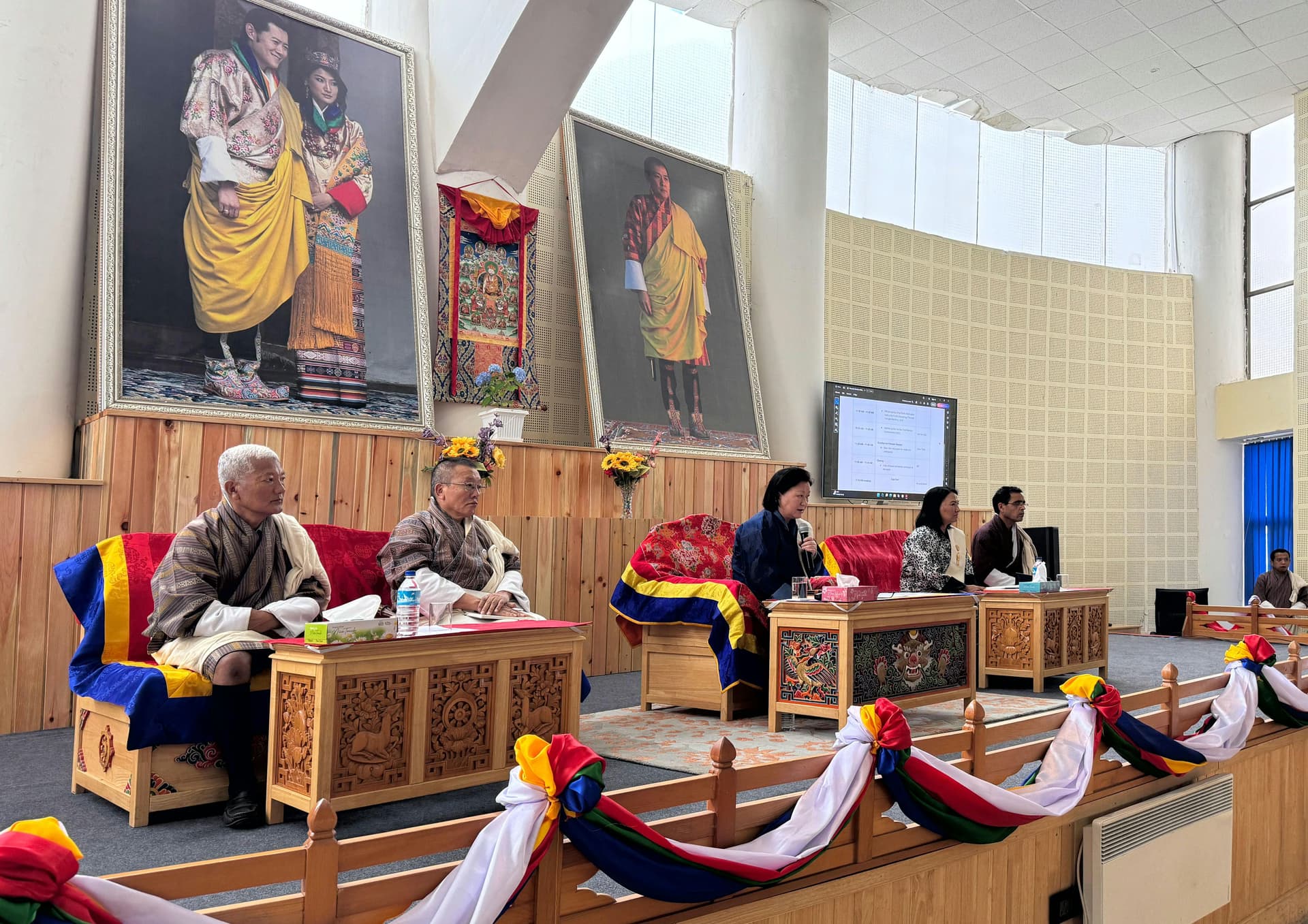
The much-anticipated fourth thromde elections in Bhutan are set for July 15, marking a significant chapter in the country's democratic journey. These elections will determine the leadership for Thimphu and Phuentsholing Thromde Tshogdes, pivotal urban administrative bodies. 🗳️
The Electoral Process: A Democratic Milestone
The Election Commission of Bhutan (ECB) has orchestrated an extensive electoral process, emphasizing transparency and fairness. The dhamngoi zomdu, or candidate selection meetings, are the initial steps where potential Thrompon candidates are identified and endorsed by the community. This grassroots-level engagement ensures that candidates truly represent the people's voice.
Campaign Dynamics
The campaign trail officially kicks off on June 21, running until July 13. Public debates, a crucial component of the democratic process, are scheduled for Phuentsholing on June 25 and Thimphu on June 27. These debates offer a platform for candidates to articulate their visions and for voters to make informed choices.
Voter Participation: The Heart of Democracy ❤️
Voter engagement is at the core of these elections. Chief Election Commissioner Deki Pema has emphasized the importance of active voter participation in the zomdu process, underscoring it as a cornerstone of the electoral framework. The ECB has completed the first round of voter education in Phuentsholing and is currently rolling it out in Thimphu, ensuring voters are well-informed and confident in their electoral participation.
Preparations and Innovations
Extensive preparations have been undertaken to ensure a seamless electoral process. The ECB has conducted a meticulous revision of the electoral roll, alongside a comprehensive functional literacy test for aspiring candidates. Training sessions for dispute resolution have been organized, reflecting the commission's commitment to a fair election.
Technological Advancements
A full-day simulation of the Election and Results Administration System (ERA System) was conducted to evaluate readiness and optimize procedures. This initiative is part of broader efforts to integrate technology into the electoral process, enhancing efficiency and transparency.
Challenges and Opportunities
The elections present both challenges and opportunities. Ensuring voter participation amid logistical constraints is a primary challenge. However, it also presents an opportunity to strengthen democratic institutions and foster civic engagement.
Postal Voting and Accessibility
To facilitate maximum participation, postal voter registration remains open until June 18, with special provisions for persons with disabilities. The issuance of postal ballots commences on June 23, ensuring all registered voters can exercise their franchise.
The Broader Context: Bhutan's Democratic Evolution
These thromde elections are more than a local government exercise; they are a testament to Bhutan's evolving democratic landscape. As His Majesty The King has eloquently stated, local governments are not the lowest level of government; they are the closest to the people, embodying the essence of participatory democracy.
Conclusion: Looking Ahead 🌟
As Bhutan gears up for the thromde elections, the nation stands at a democratic crossroads. The elections are not just about choosing leaders but about reinforcing the democratic fabric that binds the nation. The successful conduct of these elections will not only strengthen local governance but also set a precedent for future democratic exercises in Bhutan.
The upcoming elections serve as a reminder of the power of the ballot, the responsibility of citizenship, and the ongoing journey of democracy in Bhutan. As the nation prepares for this significant event, all eyes are on the electoral process, eagerly anticipating the outcomes and the future they will shape.
You May Also Like
Politics
Parliamentary Oversight of Bureaucratic Power: A Democratic Imperative
October 24, 2026
Politics
Future-Ready Governance: The GNH Framework
October 24, 2026
Politics
Mines and Minerals Bill Returns After 5-Year Deadlock
October 21, 2026
Politics
Bhutan and EU Parliamentarians Unite on Climate Action
September 26, 2026