Category:
EducationBuilding for the Cold: Thermal Insulation Innovation at Chumey TTI
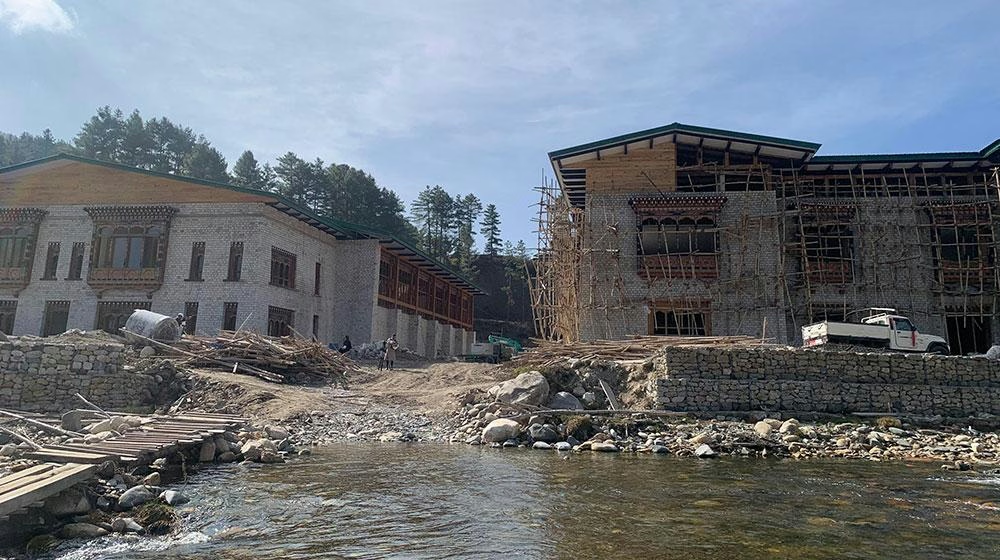
Bhutan's mountainous terrain presents unique architectural challenges, particularly in regions like Bumthang where winter temperatures can plummet dramatically. The Technical Training Institute (TTI) in Chumey is pioneering a sophisticated approach to combating these harsh climatic conditions through advanced thermal insulation technology, fundamentally transforming how vocational training facilities maintain comfortable learning environments. 🏗️
The Challenge of Cold Climate Construction ❄️
Traditional building methods in high-altitude Bhutanese regions have relied heavily on active heating systems to combat winter cold. However, this approach comes with significant operational costs and environmental considerations. The existing infrastructure at TTI Chumey demonstrates this reality—current hostels depend on floor heating systems powered by solar energy, a solution that becomes increasingly ineffective during winter months when sunlight intensity diminishes.
The institute's leadership recognized that reactive heating alone wasn't sustainable. "Once you turn the heater on, it'll retain heat even after we turn off the heater, thereby we can reduce the cost for electricity," explains the institute's administrative leadership, highlighting the shift toward proactive thermal management.
Understanding Thermal Insulation Technology 🔬
Thermal insulation operates on a simple yet powerful principle: preventing heat from escaping through building envelopes rather than constantly generating new warmth. This passive approach to climate control represents a paradigm shift in how Bhutanese educational institutions approach cold weather construction.
The new infrastructure at TTI Chumey incorporates two primary insulation materials:
- Extruded Polystyrene (XPS): High-performance rigid foam offering superior moisture resistance and consistent thermal properties
- Expanded Polystyrene (EPS): Cost-effective foam insulation providing reliable thermal resistance with good structural integrity
These materials are strategically positioned between wall layers, creating thermal barriers that significantly slow heat transfer. The walls themselves are considerably thicker than conventional construction, providing multiple layers of thermal protection that work synergistically to maintain interior warmth. 🌡️
Infrastructure Development and Capacity Expansion 📈
The construction initiative, funded by the Asian Development Bank (ADB), extends far beyond simple insulation upgrades. The comprehensive development program includes:
- Academic buildings with integrated thermal systems
- Multi-purpose halls for diverse training activities
- Staff and principal quarters with modern amenities
- Expanded hostel facilities accommodating more trainees
- River protection infrastructure for environmental sustainability
- Complete site development and workshop remodeling
Currently, TTI Chumey operates at approximately 44% of its existing capacity, with 124 trainees enrolled against a potential 280-trainee capacity. Upon completion of the new thermal-insulated infrastructure, the institute's capacity is projected to increase to 486 trainees—a remarkable 73% expansion that will significantly enhance Bhutan's vocational training capabilities. 📊
This expansion aligns with the Pathways for Emerging Skills and Jobs Project (PESJP), a strategic initiative designed to strengthen workforce development across the nation.
The Trainee Experience: From Cold Classrooms to Comfort 👥
The human element of this construction project cannot be overstated. Current trainees have experienced firsthand the limitations of existing facilities. Masonry course participants describe using temporary structures that provide inadequate thermal protection during winter months, while hostel residents in older blocks struggle with solar heating systems that underperform during cloudy winter days.
Welding trainees particularly highlight the disparity between old and new accommodations. The newer hostel block with solar-powered heating represents a significant improvement, yet even these systems face seasonal limitations. The forthcoming thermal-insulated infrastructure promises unprecedented comfort levels that will fundamentally enhance the learning experience.
Beyond immediate comfort, warmer classrooms and hostels directly impact educational outcomes. Cognitive research demonstrates that optimal thermal conditions improve concentration, reduce absenteeism, and enhance overall academic performance. For vocational training—where practical skills require sustained attention and precision—environmental comfort becomes a critical success factor. ✨
Addressing Trainee Recruitment and Retention 🎯
One of TTI Chumey's persistent challenges involves attracting and retaining qualified trainees. The harsh winter environment, while characteristic of Bhutan's natural beauty, has inadvertently created barriers to enrollment. Prospective students often choose alternative institutions with more comfortable facilities, representing a significant competitive disadvantage.
The thermal insulation initiative directly addresses this recruitment challenge. By creating warm, inviting learning environments, the institute positions itself as an attractive destination for vocational education. This competitive advantage extends beyond comfort—it signals institutional investment in trainee welfare and demonstrates commitment to providing world-class training facilities.
The expanded capacity, combined with improved comfort levels, creates a compelling value proposition for students considering vocational pathways in construction, welding, masonry, and related trades. 🏆
Operational Efficiency and Cost Considerations 💡
While thermal insulation represents a significant upfront investment, the long-term operational economics are compelling. The new infrastructure will utilize heaters in combination with insulation systems, fundamentally altering the cost-benefit equation compared to existing solar floor heating approaches.
Key efficiency advantages include:
- Extended heat retention: Insulated spaces maintain warmth for extended periods after heating systems are deactivated
- Reduced heating cycles: Fewer activation cycles mean lower overall energy consumption
- Predictable performance: Unlike solar systems dependent on weather conditions, thermal insulation provides consistent performance regardless of seasonal variations
- Scalable sustainability: As the institute expands to 486 trainees, thermal efficiency becomes increasingly important for managing operational budgets
While electricity costs may increase in absolute terms due to expanded facilities, per-trainee energy consumption should decrease significantly through improved thermal efficiency. This economic model demonstrates how strategic infrastructure investment generates long-term savings while enhancing service quality. 📉
Broader Implications for Bhutanese Construction 🏗️
The TTI Chumey project represents more than institutional development—it exemplifies evolving best practices in Bhutanese cold climate construction. As the nation continues expanding educational and vocational infrastructure in high-altitude regions, thermal insulation technologies offer scalable solutions for maintaining comfortable, efficient facilities.
The Asian Development Bank's funding reflects international recognition of Bhutan's commitment to sustainable development and climate-responsive architecture. This project serves as a reference model for future educational facilities, government buildings, and commercial structures designed for mountainous terrain.
The integration of thermal insulation with renewable energy systems (solar heating) demonstrates sophisticated climate adaptation strategy—combining passive thermal management with active renewable energy generation creates resilient, sustainable infrastructure. 🌍
Timeline and Future Outlook ⏰
Construction is scheduled for completion by year-end, marking a significant milestone in Bhutanese vocational education development. Once operational, the expanded TTI Chumey will serve as a flagship institution demonstrating how thoughtful architectural design and modern building science create superior learning environments.
The project's success will likely inspire similar thermal insulation initiatives across Bhutan's educational sector, particularly in high-altitude regions where winter conditions present ongoing challenges. As global construction practices increasingly prioritize climate resilience and energy efficiency, Bhutan's proactive approach positions the nation as an innovator in sustainable cold climate building design.
Key Takeaways 🎓
The thermal insulation initiative at TTI Chumey represents a transformative shift in how Bhutanese vocational institutions approach climate challenges. By prioritizing passive thermal management through advanced insulation technologies, the institute achieves multiple objectives simultaneously: improved trainee comfort, enhanced recruitment capacity, operational cost efficiency, and environmental sustainability.
This project demonstrates that effective cold climate construction isn't about fighting nature—it's about working intelligently with it. As Bhutan continues its development trajectory, projects like TTI Chumey showcase the nation's commitment to creating world-class educational facilities that serve trainees, strengthen the economy, and respect environmental principles. The combination of thermal insulation, renewable energy integration, and expanded capacity positions this institution as a model for sustainable vocational education development in mountainous regions worldwide. 🚀
You May Also Like
Education
MoESD Reviews Vice-Principal Promotion Criteria
November 28, 2026
Education
Nursing Graduate Employment Crisis: MP Raises Concerns
November 28, 2026
Education
Rural-Urban Migration Crisis Strains Education System
November 27, 2026
Education
Government Launches Free Supplies Program for 10,000 Disadvantaged Students
November 27, 2026