Category:
NewsBudget Caps Stall Local Growth: Leaders Demand Flexibility
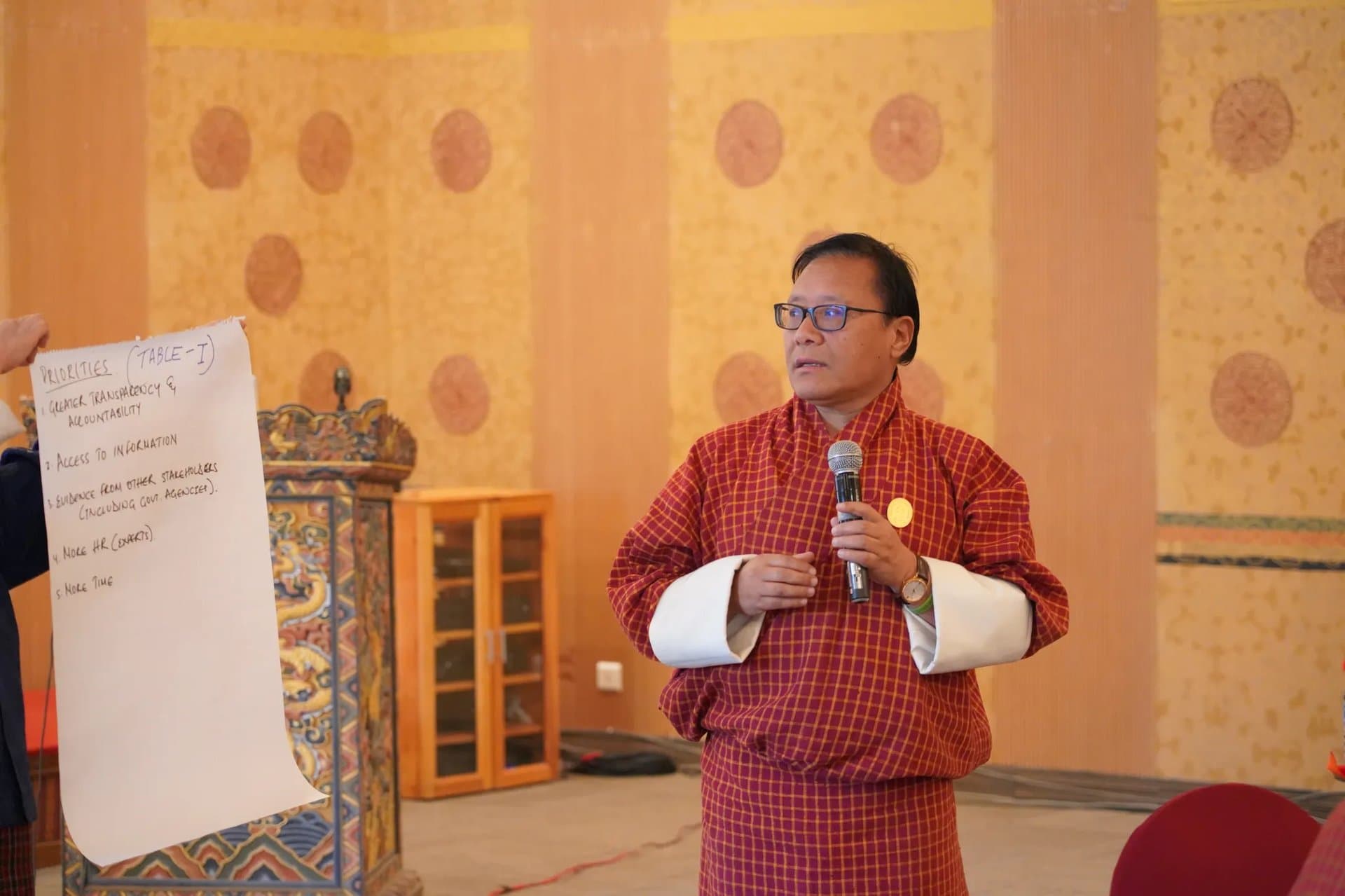
In the picturesque region of Tsirang, Bhutan, local leaders are raising concerns about the constraints placed on development due to stringent budget caps. The decentralized governance system, designed to swiftly address community needs, is facing hurdles as rigid financial guidelines hinder progress. 🏛️
The Challenge of Budget Caps
Local leaders in Tsirang have voiced that the current financial ceilings are stalling essential repairs and slowing down development work. For instance, Semjong Gewog's primary health center remains partially renovated due to insufficient funds. Similarly, the gewog lhakhang and Hindu temple in Patshaling Gewog are in dire need of repairs, yet budget constraints prevent timely renovations. 🚧
Spending Ceilings and Their Impact 📉
Under current regulations, only 10 percent of gewog budgets can be allocated to cultural and religious activities, with a total cap of Nu 300,000 for gewog-level expenditures. This has led to delays, as projects often require more funding than allocated, forcing administrations to execute them in phases. Barshong Gup Santa Lal Powdel highlighted the difficulty in prioritizing with such limited funds, emphasizing the need for an increase in the Nu 300,000 ceiling.
The Call for Fiscal Flexibility 📣
Local leaders are advocating for greater fiscal discretion, suggesting a revision of the 10 percent cap on cultural spending and an increase in gewog-level expenditure limits. They argue that decentralizing procurement authority would allow for more tailored planning, addressing local needs more effectively.
Procurement Challenges 💼
Another significant issue is the procurement limit of Nu 200,000 for office equipment and furniture, which is insufficient for upgrading essential office tools. For instance, officials like Chabi Kumar Rai are still using outdated laptops, impacting their productivity. The call for flexibility also extends to procurement, suggesting that lifting these limits would better serve local administrative needs.
Broader Trends and Insights 🌐
These budgetary constraints are not unique to Tsirang. Across Bhutan and similar governance systems worldwide, local leaders often advocate for more flexible financial policies to address community-specific needs. The broader trend indicates a growing recognition of the need for dynamic fiscal policies that can adapt to the unique challenges faced by local administrations.
Performance-Based Grants and Timeliness ⏰
Another layer of complexity is added by mid-year budget notifications that disrupt planned projects. Local leaders argue that timely communication of budget allocations and the inclusion of performance-based grants in initial notifications would streamline fund management and project execution.
Conclusion: A Path Forward 🔄
The call from Tsirang’s local leaders is clear: allow greater fiscal flexibility to enable more effective and timely development. As Bhutan continues to evolve its governance systems, balancing centralized control with local autonomy will be key to fostering sustainable development. ✨
As we look ahead, the push for policy reforms that accommodate local realities could serve as a model for other regions facing similar challenges. The journey towards fiscal flexibility is not just a local issue but a national imperative that could redefine community development across Bhutan.
You May Also Like
News
Women Entrepreneurs Master AI and Digital Tools in Phuentsholing
September 1, 2026
News
Can Samtse Keep Up With Its Growing Workforce?
August 29, 2026
News
Nepal Flood Exposes Critical Gaps in Bhutan's Early Warning Systems
August 29, 2026
News
High Court Overturns Acquittal: Doctor Sentenced to 10 Years for Child Sexual Abuse
August 29, 2026