Category:
HealthBridging Safety Gaps to Prevent Occupational Cancers
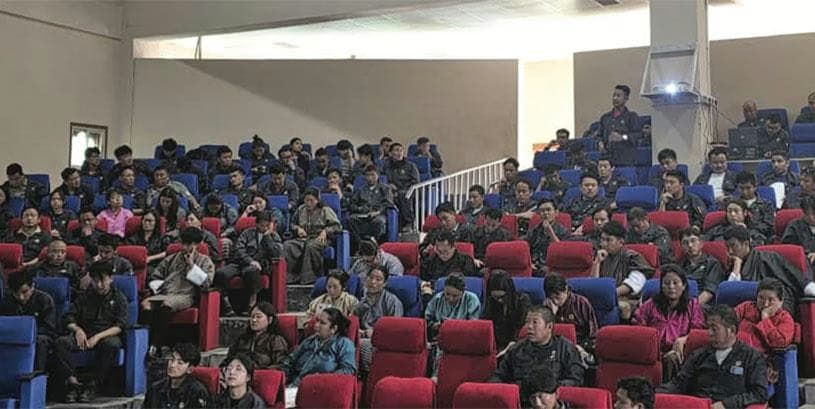
In the rapidly evolving industrial landscape, safeguarding workers from occupational cancers is becoming a critical priority. Bhutan's burgeoning industrial sector, while a boon for economic growth, poses significant health risks due to exposure to carcinogenic substances. The Bhutan Cancer Society (BCS) has embarked on a mission to address these gaps by raising awareness and improving workplace safety standards. 🎯
Understanding the Risks of Occupational Cancers
Occupational cancers are malignancies directly linked to job-related exposures to cancer-causing substances. These include hazardous materials such as asbestos, crystalline silica, and lead, commonly found in industries like construction, manufacturing, and mining. In Bhutan, traditional artisanal workers, such as those involved in crafting sacred items, face similar risks due to exposure to toxic materials.
Common Carcinogens in Industrial Settings
- Asbestos: Widely used in construction, it can cause lung cancer and mesothelioma.
- Crystalline Silica: Found in mining and stone-cutting, linked to lung cancer.
- Wood Dust: Common in woodworking, associated with nasal cancer.
- Inorganic Lead: Used in paints, can cause kidney and brain cancer.
The Importance of Awareness and Preventive Measures
The recent assessment by Bhutan's Department of Industry highlights alarming gaps in occupational safety practices. Many workers are unaware of the long-term effects of exposure to carcinogens. This lack of awareness is compounded by inconsistent use of personal protective equipment (PPE), often due to discomfort. 😷
Key Safety Recommendations
- Consistent Use of PPE: Ensuring proper use of FFP2/FFP3 respirators, gloves, and goggles.
- Regular Safety Training: Conducting training sessions to educate workers about potential hazards.
- Routine Health Screenings: Encouraging bi-annual health checks for early detection of exposure-related illnesses.
- Improved Ventilation: Installing effective ventilation systems to minimize inhalation of dust and fumes.
Bhutan’s Proactive Measures Against Occupational Cancers
The Bhutan Cancer Society, supported by the Bhutan Foundation, has initiated extensive awareness programs. These initiatives reached over 1,100 workers across various sectors, emphasizing the importance of safety compliance and behavioral change. 📊
Collaborative Efforts for a Safer Workplace
- Stakeholder Engagement: Collaboration with the Ministry of Health and industry leaders.
- Information Dissemination: Development of workplace-specific safety guidelines and communication materials.
- Youth Involvement: Engaging younger generations in safety advocacy.
Global Context and Future Implications
Globally, around 20.3% of cancers in low- and middle-income countries are linked to industrial and lifestyle changes. As Bhutan diversifies its economy, the potential rise in workplace-related cancers is a looming concern. Strengthening preventive measures now could avert a future public health crisis.
What Lies Ahead?
- Policy Reforms: Strengthening occupational health regulations to ensure better compliance.
- Technological Innovations: Investing in safer technologies that reduce exposure risks.
- Cultural Shifts: Encouraging a safety-first mindset among workers and employers alike.
In conclusion, while the industrial sector fuels economic growth, it also necessitates robust safety measures to protect the workforce. By bridging safety gaps and fostering a culture of awareness, Bhutan can lead the way in preventing occupational cancers. 🌟
The Bhutan Cancer Society's initiative is a crucial step in this direction, calling for a collective effort to safeguard the health of industrial workers, ensuring a healthier future for all.
You May Also Like

Health
Mental Health: A Shared National Responsibility
August 29, 2026

Health
Mongar Mother and Child Hospital Handover: Ending Years of Healthcare Delays
August 26, 2026

Health
Behind Every Statistic: Understanding Human Impact in Health
August 26, 2026
Health
Breaking the Cycle: Understanding Relapse in Recovery
August 22, 2026