Category:
HealthThe One Percent Health Contribution's Impact
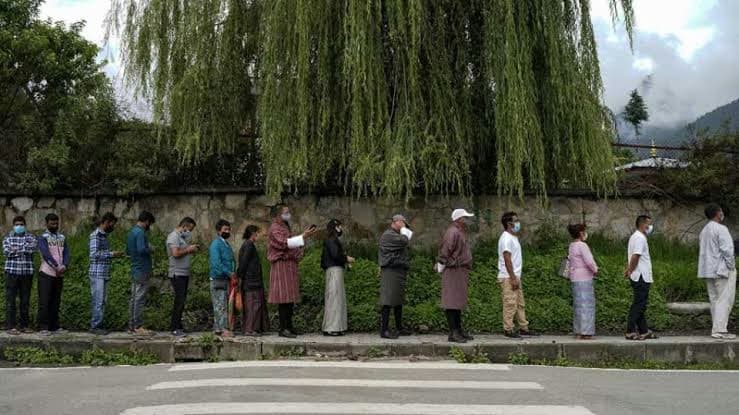
The Power of One Percent: A Health Revolution 🌟
Imagine a small fraction of your income contributing to a national health revolution. In Bhutan, the one percent health contribution is doing just that - saving lives and ensuring a healthier future for all. It may appear as a minor deduction on a payslip, but its impact is monumental. Let's explore how this initiative is transforming Bhutan's healthcare landscape and why it matters.
A Modest Contribution with Major Benefits 💪
Every month, a mere one percent is deducted from each employee's basic salary. This sum, though seemingly insignificant, is a lifeline for Bhutan's public healthcare system. Annually, this generates approximately Nu 400 million, which is channeled into the Bhutan Health Trust Fund (BHTF). This fund ensures the uninterrupted supply of essential medicines and vaccines across the nation.
Funding Lifesaving Vaccines 💉
The BHTF plays a crucial role in procuring vaccines that protect against deadly diseases. For instance, a mid-level officer's monthly contribution can provide four doses of the pentavalent vaccine, safeguarding newborns from five life-threatening illnesses. During the 2024-25 fiscal year, the BHTF purchased thousands of doses of various vaccines, including the pneumococcal conjugate and human papillomavirus (HPV) vaccines, extending their reach to children, adolescents, and the elderly.
Bridging Health Gaps Through Collective Effort 🤝
Bhutan's approach is a testament to the power of collective responsibility. With over 3,300 organizations contributing, the initiative reflects Bhutanese values of compassion and community welfare. The funds ensure that essential medicines are available to all, thereby bridging health gaps and promoting equity.
A Comprehensive Medicine Supply 🏥
The BHTF's efforts have led to an extensive supply of 438 allopathic and 110 traditional medicines. With the National Essential Medicines List reviewed biennially, the fund adapts to include new medications, ensuring that healthcare remains comprehensive and up-to-date.
The Financial Mechanics Behind the Fund 💰
The Ministry of Finance collects contributions, transferring them monthly to the BHTF. Currently, the fund holds Nu 4.3 billion, with 70 percent earmarked for medicines and vaccines. However, as the list of essential medicines grows, so does expenditure, which now stands at approximately Nu 600 million annually. This emphasizes the need for continued support and perhaps even expansion of the initiative.
Impact on National Health Statistics 📊
Bhutan boasts an impressive vaccine coverage rate of 97 to 99 percent. This success is directly linked to the health contribution, which supports widespread immunization programs. Such achievements underscore the effectiveness of the one percent initiative in enhancing public health outcomes.
A Cultural Reflection of Compassion and Merit 🙏
Dr. Gembo Sithey aptly describes the contribution as an extension of Bhutanese traditions, akin to offering prayers and butter lamps for others' well-being. This silent act of compassion, performed without rituals, purchases vaccines that save lives, embodying the essence of merit and collective goodwill.
Looking Forward: Sustaining a Healthier Bhutan 🌍
As Bhutan continues to prioritize health, the one percent contribution remains vital. It exemplifies how small, consistent efforts can yield significant societal benefits. Moving forward, awareness about the fund's impact could foster even greater participation, ensuring that Bhutan's healthcare system remains robust and inclusive.
In conclusion, the one percent health contribution is not just a financial transaction; it's a symbol of national solidarity and a beacon of hope for a healthier Bhutan. By understanding and supporting this initiative, we can all play a part in sustaining and enhancing these life-saving efforts.
You May Also Like
Health
Mental Health: A Shared National Responsibility
August 29, 2026

Health
Mongar Mother and Child Hospital Handover: Ending Years of Healthcare Delays
August 26, 2026
Health
Behind Every Statistic: Understanding Human Impact in Health
August 26, 2026
Health
Breaking the Cycle: Understanding Relapse in Recovery
August 22, 2026