Category:
EconomyBoost for Hotels: 5% Interest Subsidy Starts May 1
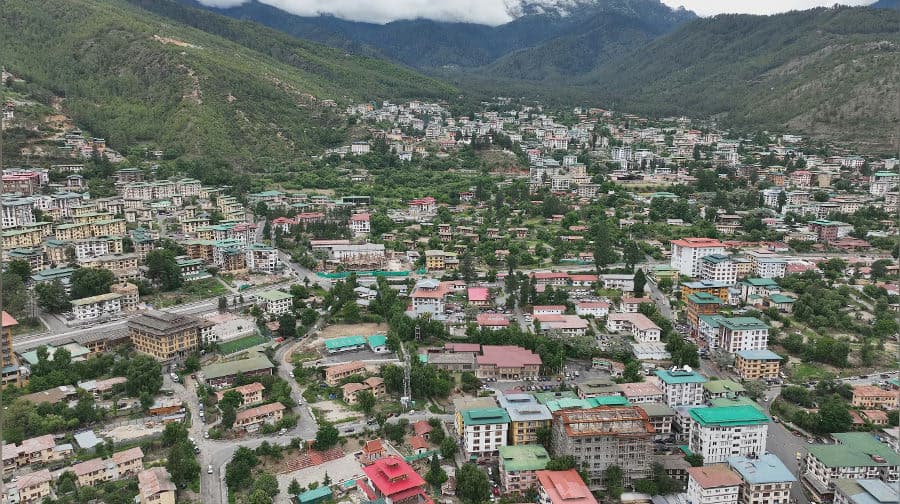
The Royal Monetary Authority (RMA) is set to introduce a much-needed financial relief for the hospitality industry in Bhutan. Starting May 1, a five percent interest subsidy will be available to eligible hotels, aiming to alleviate financial pressures in this crucial sector. 🏨💸
Understanding the Interest Subsidy Scheme
The interest subsidy is designed for hotels rated four-star and below, providing a significant financial cushion. This initiative stems from the Economic Stimulus Programme Fund, offering a four percent subsidy, while financial institutions contribute an additional one percent reduction. This collaborative effort is a strategic move to rejuvenate the hotel industry post-pandemic. 🌟
Eligibility Criteria
To benefit from the subsidy, hotels must meet specific criteria:
- Valid Licenses: Hotels need to possess up-to-date licences and certifications from the Department of Tourism (DoT).
- Tourist Registration System (TRS): Active registration and usage of the TRS are mandatory.
- Existing Loans: The subsidy applies only to hotels with existing loans, which include non-performing loans (NPLs).
These criteria ensure that the support reaches the most deserving establishments, facilitating their recovery and growth. 📈
Application Process and Duration
Eligible hotels can apply through their financial institutions starting May 1. The application period extends until July 31, 2026. During this window, hoteliers must submit detailed applications, including a valid trade licence, DoT certification, and proof of TRS usage. The scheme is slated to run for one year, with an estimated cost of Nu 844 million. 🗓️
Loan Servicing Requirements
To qualify for the subsidy, hotels must resume their equated monthly instalment (EMI) payments. RMA acknowledges that some borrowers might struggle with full EMIs, allowing for loan splitting. In such cases, the subsidy will apply only to the actively serviced portion of the loan. This flexibility aims to ease immediate financial burdens while encouraging loan repayment. 💼
Certain loans, such as those under the Fixed Equated Installment Facility (FEIF), charged-off loans, and bridging loans, are not eligible for the subsidy. Additionally, loans under litigation are excluded unless renegotiated. A recoupment clause ensures that if a loan becomes an NPL after subsidy availing, the subsidy can be recovered for up to three years. 🔄
The Broader Economic Context
This initiative comes at a critical time when the Bhutanese hotel sector is navigating through recovery post-Covid-19. As of December 2025, credit to the hotel and tourism sector was Nu 36.67 billion, with NPLs at Nu 821.9 million. The subsidy is expected to provide a lifeline to many establishments, ensuring sustainability and growth. 📊
Impact on the Economy
The subsidy not only supports individual businesses but also strengthens the broader economy by stabilizing a sector that significantly contributes to Bhutan’s GDP. It serves as a crucial step in the country's economic recovery strategy, fostering a more resilient tourism industry. 🌍
Conclusion: A Step Towards Recovery
The RMA’s interest subsidy is a proactive measure to rejuvenate Bhutan's hospitality sector, ensuring financial stability and encouraging growth. As hotels prepare to apply, this initiative promises to enhance their ability to meet financial obligations and invest in future opportunities. Stakeholders across the industry should seize this opportunity to bolster their operations and contribute to a thriving tourism landscape. 🌟
Looking forward, the success of this subsidy could pave the way for similar measures in other sectors, driving a comprehensive economic recovery. Stay tuned for more updates as the rollout progresses and impacts unfold. 🚀
You May Also Like
Economy
Building a Thriving Business Ecosystem: Beyond Survival
October 21, 2026
Economy
Local Fruit Farmers Battle Market Access Crisis
October 21, 2026
Economy
Proving Commercial Viability: The Key to Attracting Investors
October 19, 2026
Economy
Seven Women-Led Businesses Transform Bhutan's Economy
October 19, 2026