Category:
NewsBhutan's Youth Employment Crisis: 2,400 Jobseekers Seek Opportunities
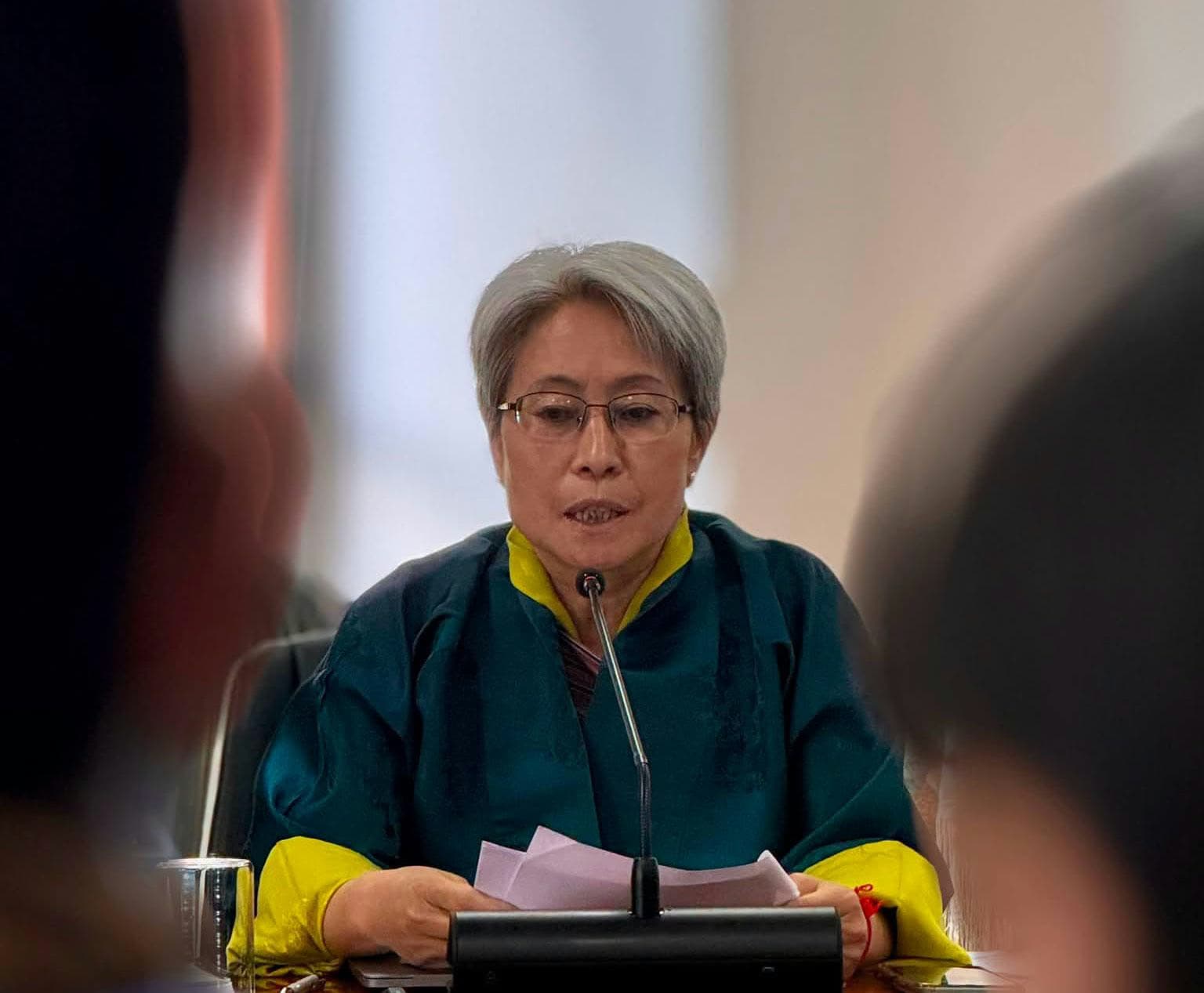
Bhutan faces a pressing employment challenge as nearly 2,400 young citizens actively search for work, according to comprehensive data released by the Ministry of Industry, Commerce and Employment (MoICE). This revelation underscores a significant disconnect between the nation's youthful workforce and available job opportunities, prompting urgent government intervention through innovative recruitment initiatives. 🎯
Understanding Bhutan's Youth Employment Landscape 📊
The employment situation in Bhutan reflects broader economic trends affecting developing nations across South Asia. While the national unemployment rate has improved to 2.7 percent in the second quarter of 2026, youth unemployment tells a starkly different story. Young people aged 15 to 24 face an unemployment rate of 13.4 percent—nearly five times higher than the national average.
This disparity highlights a critical challenge: despite economic growth, the job market hasn't kept pace with the expectations and qualifications of Bhutan's younger generation. The gap between available positions and capable workers suggests structural mismatches in skills, industry demands, and geographic distribution of opportunities.
The Verification Exercise: Separating Fact from Fiction 🔍
The Ministry conducted an extensive two-phase telephonic verification exercise to accurately assess the employment situation across all 18,344 registered jobseekers in the Bhutan Labour Market Information System. This meticulous process revealed surprising findings that fundamentally changed how policymakers understand the employment landscape.
In the initial phase (May 15-29, 2026), the Department of Employment and Entrepreneurship encountered contact challenges with 2,277 registrants due to incorrect phone numbers, non-responses, or disconnected communication lines. Rather than dismissing these cases, the ministry pursued a second verification round between July 1-15, successfully reaching previously unreachable candidates.
The combined effort achieved a remarkable 92.1 percent contact rate, ultimately reaching 16,905 of the 18,344 total registrants. This thoroughness proved invaluable, as it unveiled a critical truth: many individuals previously classified as unemployed had already secured employment.
Key Findings from the Employment Database Audit 📈
The verification exercise produced several eye-opening results that reshaped understanding of Bhutan's actual employment crisis:
Employment Status Clarification:
- 11,210 jobseekers confirmed employed (up from 10,895 in phase one)
- 2,914 jobseekers no longer seeking work due to higher education, training, national service, or family responsibilities
- 386 jobseekers confirmed working or residing abroad
- 2,395 jobseekers verified as actively unemployed and job-seeking within Bhutan (13.1 percent of registered database)
The discovery that thousands of previously "unemployed" individuals had actually found work demonstrates how outdated database records can distort policy decisions. The Ministry acknowledged that the system contained significantly outdated information, which has now been corrected through this rigorous verification process.
The "Yay! Gokab" Initiative: Bridging the Employment Gap 🌉
Recognizing the urgency of the situation, MoICE organized a transformative two-day job forum titled "Yay! Gokab" (August 19-20, 2026) in Thimphu. This innovative recruitment platform represents a paradigm shift in how Bhutan addresses youth unemployment by creating direct, face-to-face connections between jobseekers and employers.
MoICE Secretary Tashi Wangmo emphasized the forum's comprehensive approach: "The ministry is inviting all 2,395 active jobseekers to the forum, where employers from major sector bodies will conduct direct interviews and recruitment on-site." This strategy eliminates traditional barriers to employment by removing intermediaries and enabling immediate hiring decisions.
Major Employers and Industry Partners Participating 🏢
The "Yay! Gokab" forum attracted participation from Bhutan's most significant employers and industry organizations:
- Druk Holding and Investments (DHI)—the nation's largest holding company
- Construction Association of Bhutan—representing the booming construction sector
- Bhutan Chamber of Commerce and Industry—advocating for private sector interests
- Various other sector-specific employers and industry bodies
This diverse employer participation ensures jobseekers encounter opportunities across multiple industries, from traditional sectors to emerging fields, maximizing the likelihood of meaningful employment matches.
Specialized Training and Skill Development Opportunities 💡
The forum addressed a fundamental challenge in youth employment: the skills gap. High-demand sectors often struggle to find qualified candidates, while jobseekers lack training in emerging fields. The "Yay! Gokab" initiative tackled this through dedicated training pathway connections:
High-Priority Training Sectors:
- Information and Communication Technology (ICT) and digital skills
- Hospitality and tourism
- Healthcare and nursing
These sectors align with Bhutan's economic diversification strategy, which emphasizes tourism, technology adoption, and healthcare expansion as growth drivers for the coming decade.
Self-Employment and Entrepreneurship Support 🚀
Recognizing that traditional employment doesn't suit everyone, the forum provided dedicated support for aspiring entrepreneurs and cooperative business participants. The Entrepreneurship Promotion Division, Loden Foundation, Department of Agricultural Marketing and Cooperatives, and Renewable Natural Resources Jobs Programme Management Unit offered specialized guidance.
This approach acknowledges Bhutan's cultural emphasis on self-reliance and community-based economic models. Many young Bhutanese possess entrepreneurial aspirations but lack access to mentorship, capital, and business development resources—gaps the forum directly addressed.
Long-Term Employment Strategies and Ongoing Programs 📋
The Ministry's response extends beyond the single-day forum. MoICE has institutionalized the verification exercise as a bi-annual process, with the next cycle scheduled for December 2026. This ongoing monitoring ensures the employment database remains current and accurate, enabling evidence-based policymaking.
Complementing the forum, the Ministry continues supporting several established employment initiatives:
- Youth Engagement and Livelihood Programme (YELP)—providing skills training and employment support
- Overseas Employment Programme—connecting Bhutanese workers with international opportunities
- Various other employment responsibility initiatives addressing specific demographic needs
These programs collectively create a comprehensive employment ecosystem supporting jobseekers through multiple pathways.
Broader Economic Context and Industry Trends 🌍
Bhutan's employment challenges reflect regional and global patterns. The nation's unique development philosophy—prioritizing Gross National Happiness (GNH) alongside economic growth—creates distinctive labor market dynamics. Unlike neighboring countries experiencing rapid industrialization, Bhutan maintains strict environmental protections and limited foreign direct investment, which constrains job creation in certain sectors.
The tourism sector, while recovering post-pandemic, hasn't yet generated employment at pre-2020 levels. The construction industry, traditionally a major employer, faces cyclical fluctuations. Meanwhile, the technology sector remains nascent, with limited positions for skilled professionals despite growing demand.
Youth migration—both internal (rural to urban) and external (to Australia, New Zealand, and other countries)—further complicates employment statistics. Young Bhutanese increasingly pursue overseas education and employment, reducing the domestic workforce availability.
Demographic Realities Shaping Employment Needs 👥
Bhutan's young population creates structural employment pressures. Approximately 60 percent of the nation's population is under 25 years old, meaning hundreds of thousands of young people will enter the job market over the next decade. Current employment infrastructure struggles to absorb this demographic wave, requiring accelerated job creation and skills development.
The gender dimension also deserves attention. Young Bhutanese women face particular employment barriers, including cultural expectations, limited representation in technical fields, and concentration in lower-wage sectors. Targeted initiatives addressing gender-specific employment challenges remain underdeveloped.
Data Quality and the Importance of Accurate Employment Metrics 📊
The verification exercise highlighted a critical governance challenge: maintaining accurate employment data. The initial database contained 18,344 jobseeker registrations, yet only 2,395 (13.1 percent) were confirmed as actively unemployed. This massive discrepancy—with 1,439 individuals remaining unverified—underscores how outdated information can mislead policymakers.
Accurate employment data forms the foundation for effective policy. When governments misunderstand the actual unemployment situation, they misdirect resources, create inappropriate programs, and fail to address genuine needs. Bhutan's commitment to bi-annual verification represents best-practice governance, ensuring policies rest on solid evidence.
Comparative Context: Youth Unemployment Across South Asia 🌏
While Bhutan's 13.4 percent youth unemployment rate appears significant, regional context matters. Neighboring countries face substantially higher youth joblessness—India's youth unemployment exceeds 23 percent, while Nepal struggles with rates above 15 percent. Bhutan's relatively lower rate reflects its smaller population, more manageable labor market, and stronger social safety nets.
However, this comparative advantage shouldn't breed complacency. Bhutan's unique development model requires that employment opportunities align with GNH principles—prioritizing worker well-being, environmental sustainability, and cultural preservation alongside economic productivity.
Future Outlook: Opportunities and Challenges Ahead 🔮
The next phases of Bhutan's employment strategy will determine whether youth joblessness increases or decreases. Several factors will influence outcomes:
Positive Indicators:
- Tourism sector recovery as international travel normalizes
- Renewable energy projects creating construction and operational jobs
- Technology sector expansion through digital transformation initiatives
- Agricultural modernization generating rural employment
Concerning Challenges:
- Limited private sector growth constraining job creation
- Brain drain as talented youth seek opportunities abroad
- Skills mismatches between education system outputs and employer needs
- Geographic concentration of opportunities in urban areas
Actionable Steps for Jobseekers 💼
Young Bhutanese actively seeking employment should consider several strategies:
- Participate in government-organized forums like "Yay! Gokab" for direct employer access
- Pursue skills training in high-demand sectors (ICT, healthcare, hospitality)
- Consider entrepreneurship through available government support programs
- Explore overseas employment options through official channels
- Network actively within professional communities and industry associations
- Develop digital literacy as technology increasingly dominates job markets
Conclusion: Turning Challenge into Opportunity 🎯
Bhutan's nearly 2,400 actively unemployed young people represent both a challenge and an opportunity. The challenge lies in creating sufficient quality employment aligned with GNH principles. The opportunity emerges through innovative initiatives like "Yay! Gokab," which directly connect jobseekers with employers and training providers.
The Ministry's rigorous verification exercise demonstrates governmental commitment to evidence-based policymaking. By maintaining accurate employment data and implementing comprehensive support programs, Bhutan can address youth unemployment while preserving the values that make the nation unique.
The coming months will prove critical. As the nation implements bi-annual verification cycles and expands employment initiatives, young Bhutanese should remain engaged with available resources. With sustained government commitment, private sector participation, and individual initiative, Bhutan can transform its youth employment challenge into a competitive advantage—building a workforce aligned with both economic needs and national values.
You May Also Like
News
Women Entrepreneurs Master AI and Digital Tools in Phuentsholing
September 1, 2026
News
Can Samtse Keep Up With Its Growing Workforce?
August 29, 2026
News
Nepal Flood Exposes Critical Gaps in Bhutan's Early Warning Systems
August 29, 2026
News
High Court Overturns Acquittal: Doctor Sentenced to 10 Years for Child Sexual Abuse
August 29, 2026