Category:
NewsBhutan's Path Forward: King's Vision for National Unity
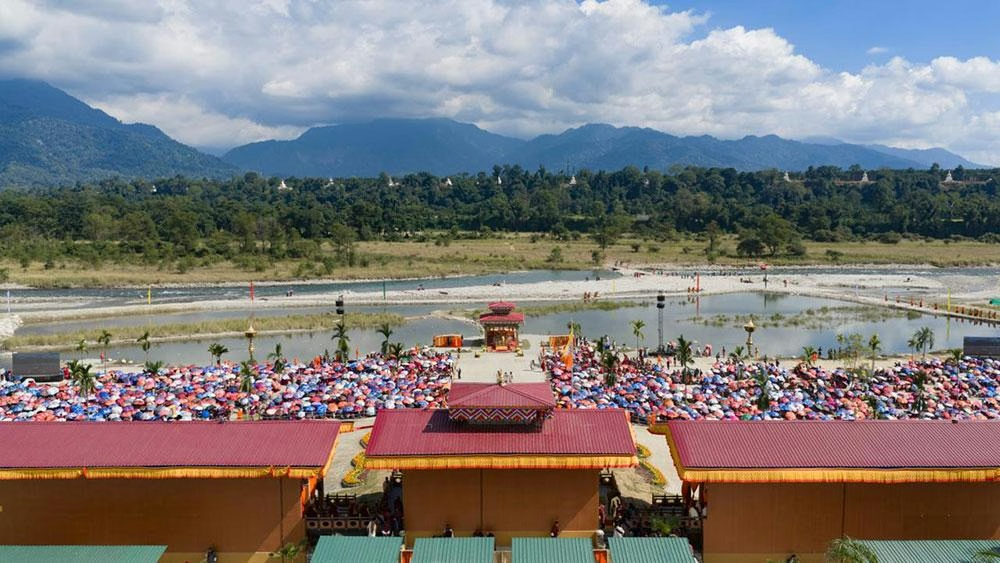
A Defining Moment for the Nation 🇧🇹
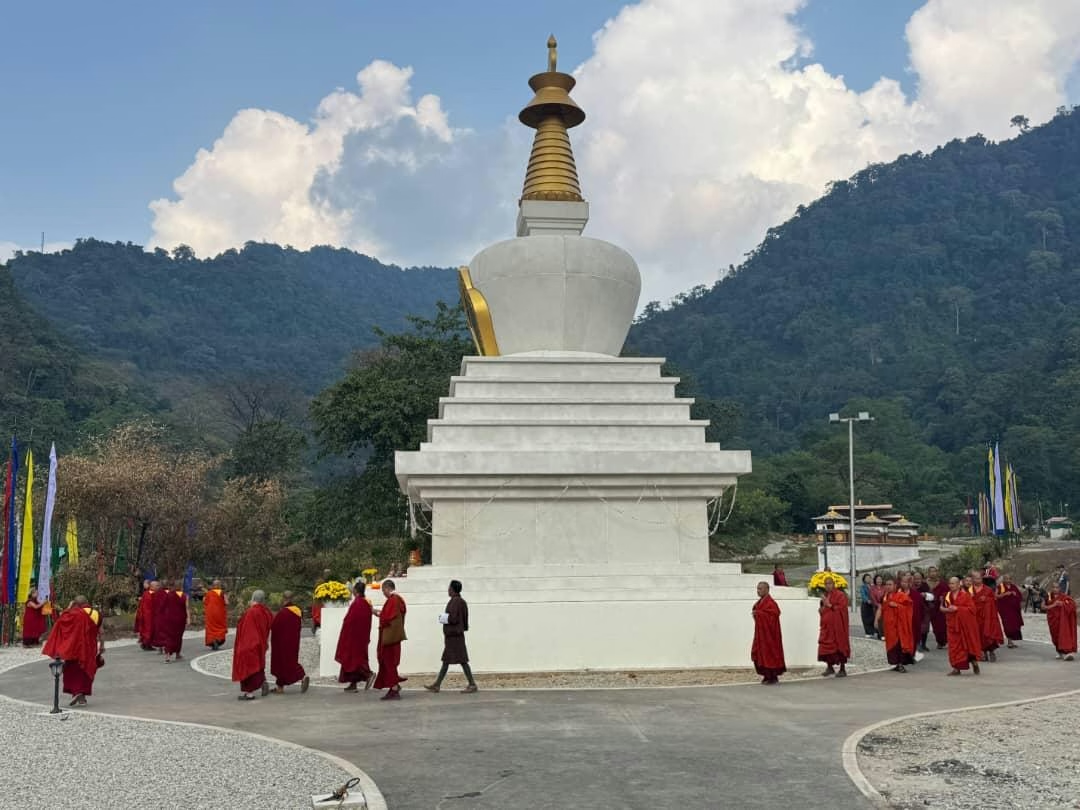
Bhutan stands at a pivotal crossroads in its modern history. The recent consecration of 108 sacred stupas in Gelephu Mindfulness City represents far more than a ceremonial milestone—it symbolizes the nation's unwavering commitment to preserving its cultural identity while embracing ambitious development. His Majesty's profound address at this historic gathering delivered a message that resonates deeply with Bhutanese citizens and observers worldwide: the strength of a nation lies not in abandoning its roots, but in remaining steadfast to its core values.
Understanding Project 108's Significance ✨
Project 108 emerged as a transformative national initiative that captured international attention and demonstrated Bhutan's capacity for coordinated development. The completion of this ambitious undertaking wasn't merely about constructing physical structures—it represented a collective manifestation of national purpose and shared responsibility among government institutions, private enterprises, spiritual communities, and ordinary citizens.
The project's success illustrated several critical truths about modern Bhutan:
- Spiritual Foundation: The spiritual dimension embedded within the project reflected Bhutan's unique approach to development that integrates material progress with Buddhist principles
- Collective Mobilization: Citizens from diverse backgrounds worked in concert toward a common objective
- International Recognition: The initiative attracted support and participation from global partners, elevating Bhutan's profile on the world stage
- Governance Excellence: The coordinated execution demonstrated institutional capacity and strategic planning
The Essence of Bhutanese Identity 🏔️
His Majesty's central thesis—"If we remain who we are, there is nothing we cannot face"—encapsulates a philosophical approach to national development that distinguishes Bhutan from conventional models. This perspective draws from over twelve centuries of continuous cultural and spiritual evolution.
The historical foundations of Bhutanese identity trace back to the 8th century when Guru Rinpoche introduced Vajrayana Buddhism, establishing spiritual traditions that would shape the nation's character for millennia. Later, Zhabdrung Ngawang Namgyel unified the fragmented territories, established sophisticated governance structures, and introduced the dual system of administration (Chhoe-sid) that balanced spiritual and temporal authority.
Each successive monarch has stewarded this legacy, with His Majesty the Fourth King, Jigme Singye Wangchuck, pioneering the concept of Gross National Happiness—a revolutionary development philosophy that prioritizes citizen wellbeing over economic metrics alone.
Gelephu Mindfulness City: Building the Future 🌆
The vision for Gelephu Mindfulness City extends beyond conventional urban development. His Majesty articulated that GMC represents "something unique" being constructed not merely for current inhabitants, but for future generations and ultimately for humanity's broader benefit.
This initiative encompasses several strategic dimensions:
- Economic Diversification: Creating new employment opportunities and reducing dependence on traditional sectors
- Sustainable Development: Integrating environmental consciousness with urban planning
- Spiritual Integration: Maintaining Buddhist principles within modern infrastructure
- Regional Connectivity: Positioning Bhutan as a hub for regional cooperation and exchange
The 108 stupas serve as both spiritual anchors and symbolic reminders that development must be grounded in transcendent values rather than purely materialistic objectives.
Navigating Uncertainty with Collective Strength 💪
His Majesty's address acknowledged the formidable challenges confronting contemporary nations. Natural disasters, economic volatility, geopolitical instability, and potential health crises test the resilience of even well-established societies. For a small nation like Bhutan, these external pressures demand exceptional unity and strategic clarity.
The King's message emphasized that Bhutan's competitive advantage in facing such uncertainties resides not in military might or vast economic resources, but in:
- Shared Cultural Values: A coherent national identity that transcends individual interests
- Spiritual Foundation: Buddhist teachings that provide ethical frameworks for decision-making
- Social Cohesion: Strong communal bonds and mutual support systems
- Adaptive Leadership: Governance structures capable of responding to unprecedented challenges
This perspective offers valuable lessons for nations worldwide grappling with rapid technological change, social fragmentation, and environmental pressures.
The Role of Leadership and Popular Trust 👑
A striking feature of His Majesty's address was the reciprocal nature of the relationship between leadership and citizenry. The people have invested profound trust in their King, who has consistently demonstrated commitment to their welfare and national aspirations. Simultaneously, His Majesty expressed confidence in the collective capacity of Bhutanese people to manifest ambitious visions through dedication and unified effort.
This mutual accountability creates a powerful governance dynamic. Citizens understand that their monarch stands alongside them in pursuing national objectives, while leadership recognizes that sustainable achievement depends on popular participation and commitment.
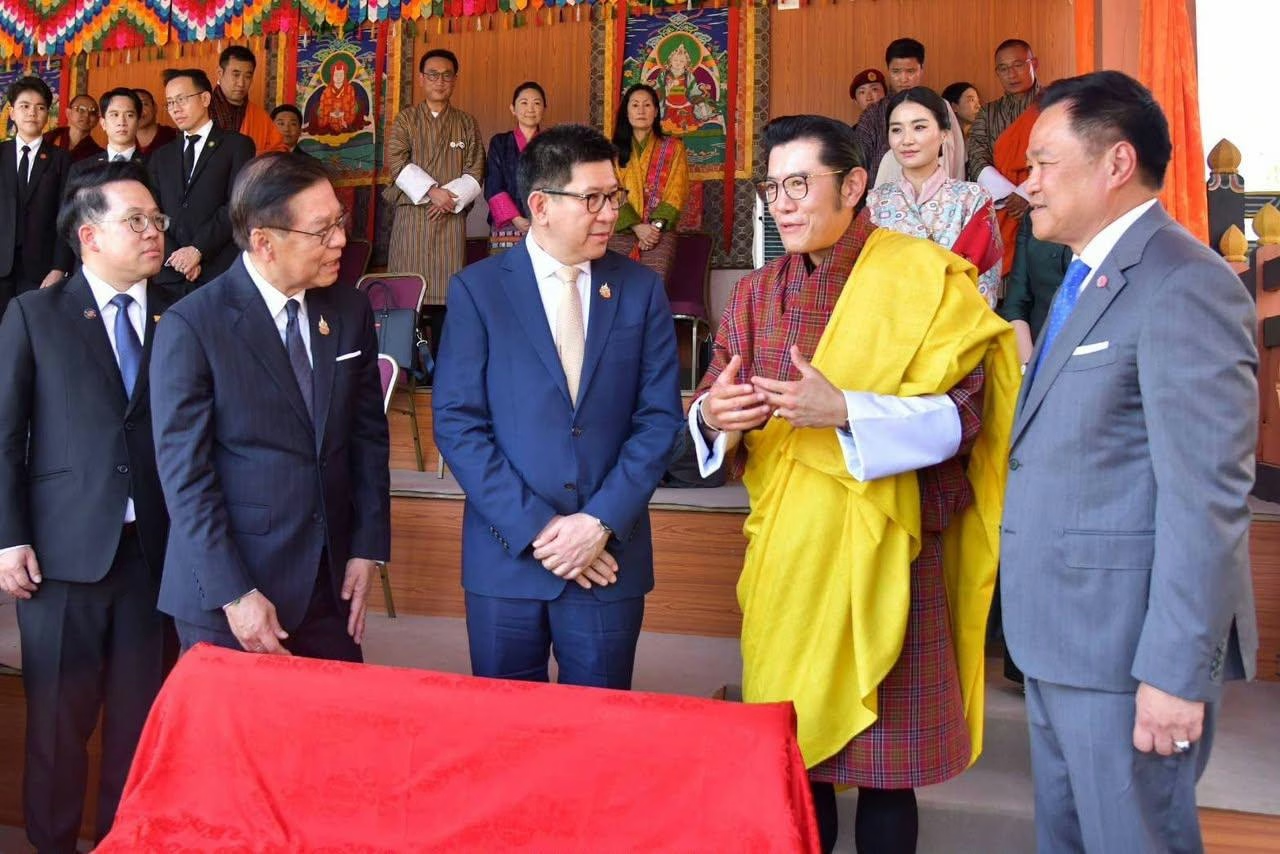
The international dimension of this trust became evident through the attendance of Thailand's Prime Minister Anutin Charnvirakul and India's Union Minister Kiran Rijiju, alongside continued support from India's leadership. These diplomatic gestures affirmed that Bhutan's development aspirations command respect and support from significant regional powers.
Spiritual Leadership and National Purpose 🙏
The ceremonial aspects of the stupa consecration, involving Buddhist masters from diverse traditions, underscored the spiritual dimension of Bhutan's development model. This integration of religious observance with national projects distinguishes Bhutanese governance from secular development paradigms prevalent in many nations.
The blessing of the occasion by multiple Buddhist traditions reflected Bhutan's capacity to honor spiritual diversity while maintaining doctrinal coherence. This approach demonstrates sophisticated understanding of how religious and cultural values can strengthen rather than fragment national unity.
The Path Ahead: Sustained Commitment 🔥
His Majesty's indication that significant developments would unfold over the subsequent six months and through year-end emphasized that Project 108 represents a beginning rather than culmination. This framing shifts perspective from viewing the stupa consecration as a destination to recognizing it as a waypoint in an extended national journey.
The sustained momentum toward GMC's full realization will require:
- Institutional Consistency: Maintaining administrative focus and resource allocation across multiple government cycles
- Public Engagement: Ensuring citizens remain informed and invested in ongoing developments
- International Partnership: Leveraging diplomatic relationships while preserving national sovereignty
- Adaptive Planning: Adjusting strategies based on implementation experience and changing circumstances
Preserving Uniqueness in a Globalized World 🌍
Perhaps the most profound aspect of His Majesty's message addresses the tension between modernization and cultural preservation. In an era of rapid globalization, many nations struggle with maintaining distinctive identities while accessing global opportunities and technologies.
Bhutan's approach—remaining true to foundational values while pursuing strategic development—offers an alternative model to the false dichotomy between tradition and progress. The nation demonstrates that these need not be mutually exclusive; indeed, strong cultural foundations may provide the stability necessary for ambitious development.
This philosophy carries implications beyond Bhutan's borders. As societies worldwide confront questions about technological integration, economic competition, and social change, Bhutan's example suggests that clarity about core values can serve as an anchor amid turbulent transformations.
Conclusion: Unity as National Strategy 🌟
The raising of 108 stupas in Gelephu Mindfulness City, coupled with His Majesty's eloquent articulation of national purpose, represents a defining moment in contemporary Bhutanese history. The message transcends ceremonial formality to address fundamental questions about identity, resilience, and collective aspiration.
Bhutan's commitment to remaining true to its distinctive character while pursuing ambitious development offers profound insights for nations grappling with rapid change. The principle that national strength derives from cultural coherence, spiritual grounding, and unified purpose challenges prevailing assumptions about modernization and progress.
As Project 108 evolves into the next phase of GMC's realization, the world watches with interest. Bhutan's success in balancing development with cultural preservation, economic growth with spiritual values, and national sovereignty with regional cooperation will provide valuable lessons for societies seeking sustainable paths forward.
His Majesty's prayer—that what Bhutan builds will benefit not only its people but ultimately extend to the whole world—reflects an aspiration transcending national borders. In an increasingly interconnected world, Bhutan's example of principled development grounded in enduring values offers hope that human societies can advance without sacrificing their souls.