Category:
NewsBhutan's Livestock Bill 2025: A New Era Begins
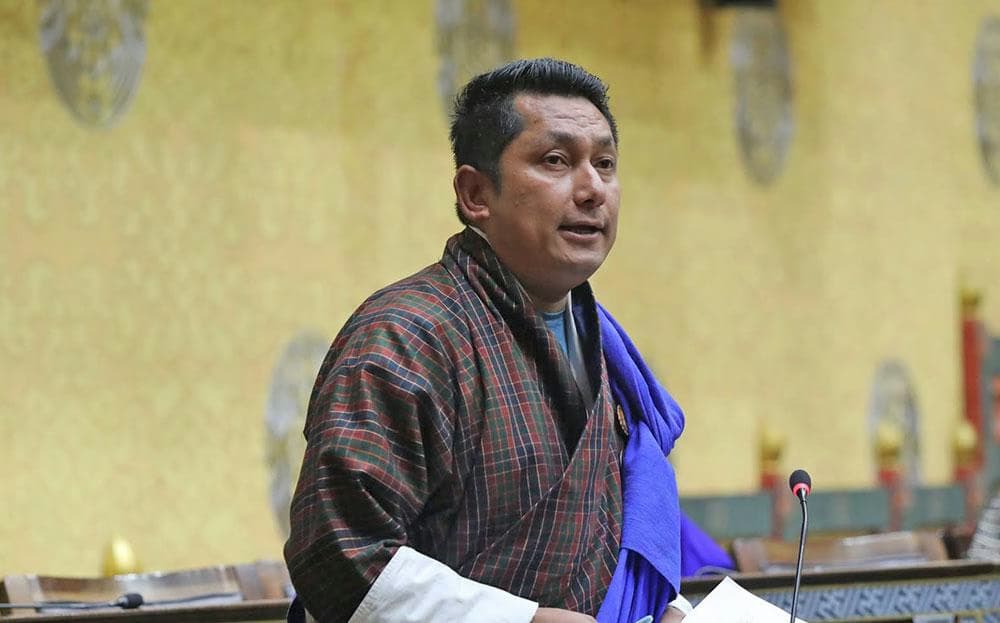
The Bhutanese Parliament has taken a significant step towards modernizing its agricultural sector with the passage of the Livestock Bill 2025. This landmark legislation, poised to reshape the livestock industry, is now awaiting Royal Assent from His Majesty The Druk Gyalpo. 🌱✨
Understanding the Livestock Bill 2025 🌿
The Livestock Bill 2025 focuses on promoting sustainable livestock development, enhancing animal welfare, and bolstering biosecurity measures. This comprehensive framework will regulate livestock production, breeding, trade, and movement, ensuring public health and environmental safety.
Key Amendments and Provisions 📝
Following a rigorous legislative process, the Bill was amended and refined through a collaborative effort between the National Assembly and the National Council. Key amendments include:
- Categorization of Abattoirs: New provisions require the categorization of abattoirs and enforce stringent technical clearances to ensure compliance with prescribed standards.
- Regulation of Meat Shops: A new rule mandates that meat shops can only operate at locations approved by the Regulatory Authority, aiming to ensure hygienic practices and quality assurance.
Enhancing Livestock Welfare and Industry Standards 🐄
The Bill's endorsement reflects Bhutan's commitment to elevating livestock welfare. It promotes local breeds, improves veterinary services, and supports livestock farmers. Additionally, it mandates that slaughter for commercial purposes must occur in approved facilities, subject to rigorous inspection processes.
Historical Context and Future Implications 📜🔍
The Livestock Bill of 2025 replaces the outdated Livestock Act of 2001. This legislative overhaul coincides with Bhutan's broader economic transformations, aligning with global trends towards sustainable agriculture and food security.
The Road to Enactment 📈
Initially adopted by the National Assembly in December 2025, the Bill underwent extensive amendments by the National Council. After re-deliberation, it returned to the Assembly, where all 38 proposed amendments were considered and integrated.
Impact on Bhutanese Agriculture and Economy 🌾💼
The Bill is expected to significantly impact Bhutan's agricultural landscape by:
- Encouraging sustainable livestock practices
- Enhancing biosecurity against disease outbreaks
- Strengthening public health safeguards
Boosting Local Economies and Farmers 🐑👩🌾
By supporting local breeds and improving veterinary services, the Bill aims to boost local economies and empower farmers. This aligns with the government’s vision of self-sufficiency and food security.
Conclusion: A Future of Sustainable Growth 🌟
As Bhutan awaits the Royal Assent, the Livestock Bill 2025 stands as a testament to the country's dedication to sustainable agricultural development. It paves the way for a future where livestock farming not only thrives but also aligns with global standards of health, safety, and environmental stewardship.
With these legislative changes, Bhutan is poised to become a leader in sustainable livestock management, setting a precedent for other nations striving for agricultural reform.
You May Also Like
News
Drukair Employee Arrested in Major Cannabis Smuggling Investigation
October 23, 2026

News
Gelephu Prepares for 40,300 Vehicles Ahead of Project 108
October 21, 2026
News
Third Child Plus Programme Disburses Nu 186M to 6,510 Children
October 21, 2026
News
German-Bhutan Society Backs Gelephu Mindfulness City
October 21, 2026