Category:
EnvironmentBhutan's High-Altitude Black Carbon Monitoring Station
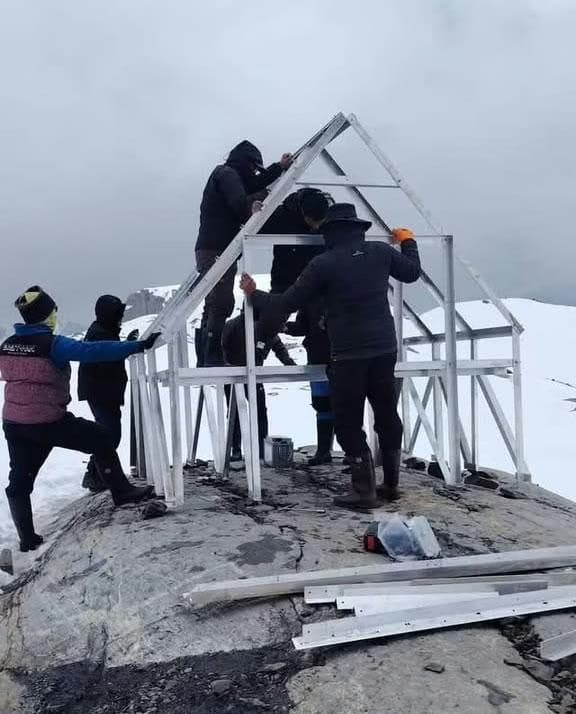
Bhutan has taken a significant step in environmental protection by installing its first high-altitude black carbon monitoring station. This initiative marks a milestone for the country in understanding and mitigating the effects of climate change, particularly in the sensitive glacier environments of the Himalayas. 🌍✨
Understanding Black Carbon and Its Impact
Black carbon is a fine particulate matter resulting from the incomplete combustion of fossil fuels, biomass, and other materials. These particles are notorious for their ability to absorb sunlight, leading to atmospheric warming. When they settle on snow and ice, they reduce surface reflectivity, accelerating the melting process. This phenomenon poses a serious threat to glaciers, which are critical water sources for millions of people. 🌡️
Bhutan's Strategic Location
The newly installed monitoring station is strategically located near the Shodug Glacier at an impressive altitude of 5,168 meters. This placement enables scientists to gather valuable data on black carbon deposition and its environmental impact. The station is equipped with a Starlink communication system, allowing for real-time data transmission from this remote location. 🛰️
The Role of NCHM and ICIMOD
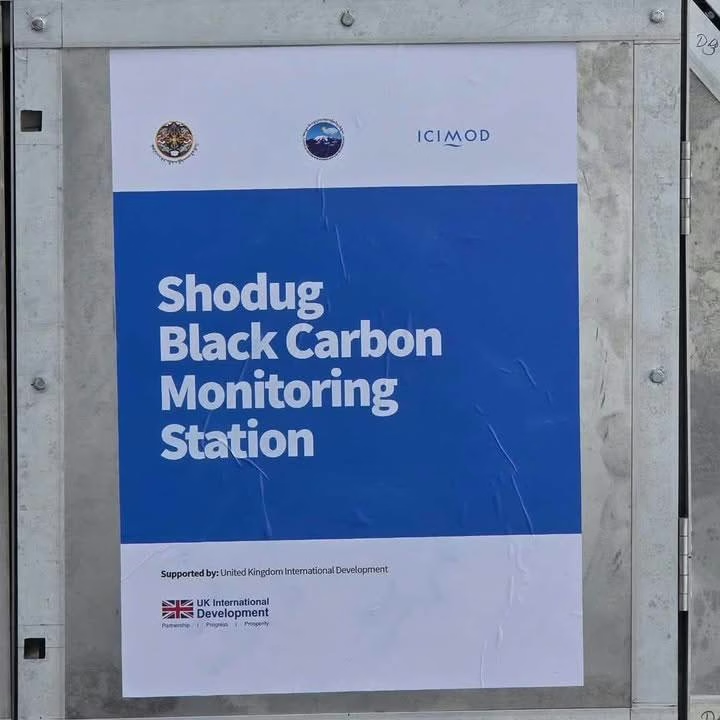
The National Centre for Hydrology and Meteorology (NCHM) of Bhutan, in collaboration with the International Centre for Integrated Mountain Development (ICIMOD), spearheaded this project. Their joint efforts aim to bridge existing knowledge gaps regarding black carbon's influence on Bhutan's glacier environments. 🏔️
Global Context and Trends
Globally, black carbon is recognized as a major contributor to climate change and public health issues. Monitoring networks in the Arctic have been upgraded to better track its impact on ice melt and polar warming. Similar efforts are underway in other remote regions, leveraging satellite technologies to enhance understanding of black carbon emissions and transport. 📈
Implications for Bhutan
The data collected from the new station will be instrumental in informing climate policies and water resource management in Bhutan. With glaciers serving as vital water reserves, understanding their dynamics is crucial for the country's environmental sustainability and economic stability. This initiative also aligns with global efforts to combat climate change, highlighting Bhutan's commitment to environmental stewardship. 🌿
Broader Environmental Efforts
Bhutan is renowned for its environmental initiatives, such as maintaining carbon neutrality and promoting sustainable development. The installation of the black carbon monitoring station is yet another testament to the country's proactive approach to safeguarding its natural resources. 🌱
Looking Ahead
As Bhutan continues to expand its environmental monitoring capabilities, the insights gained from this station will undoubtedly contribute to global climate research. The country's efforts not only enhance local resilience but also provide valuable data that can aid international scientific communities in addressing the complex challenges of climate change. 🔍
Conclusion
With the establishment of the high-altitude black carbon monitoring station, Bhutan reinforces its role as a leader in environmental conservation. The data generated will pave the way for more informed decision-making and foster a deeper understanding of the intricate interactions between black carbon and glacier dynamics. As the world grapples with climate change, Bhutan's proactive measures serve as an inspiring example for other nations to follow. 🌟
You May Also Like
Environment
Wildlife Conflict Crisis: How Neglected Private Land Threatens Tashicholing
October 19, 2026
Environment
Climate Crisis in the Himalayas: Bhutan's Cold Reminder
August 29, 2026
Environment
WBH Conservation Project Delivers Clean Water to Rural Homes
August 29, 2026
Environment
HKH Climate Crisis: Why Regional Unity Matters Now
August 29, 2026