Category:
PoliticsBhutan's Electoral Dilemma: A Missed Opportunity
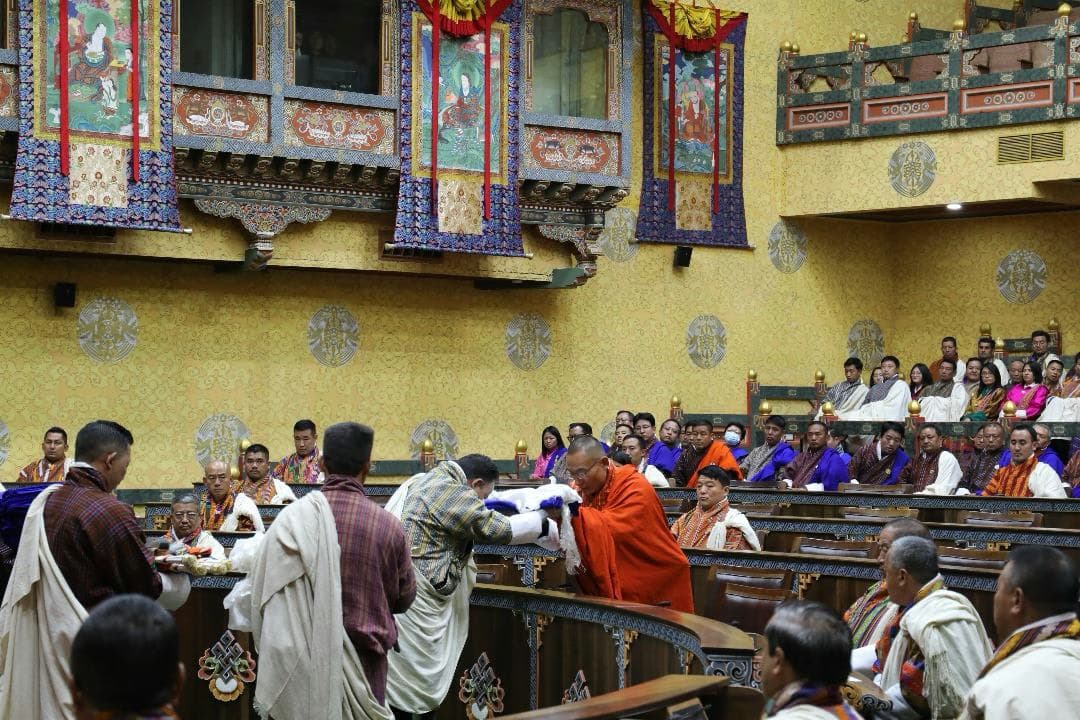
In the dynamic landscape of Bhutanese politics, the Thromde elections are a pivotal event. Yet, as the Election Commission of Bhutan (ECB) sets the stage for the 2026 Thromde elections, a significant portion of Thimphu and Phuentsholing's populace remains sidelined due to restrictive electoral laws.
The Crux of the Voting Conundrum 🔍
In Bhutan, the right to vote in Thromde elections is confined to residents whose census is registered within the constituency. This registration is contingent upon property ownership, thus disenfranchising many long-term residents who have made these urban areas their home yet do not own property.
In the 2021 Thromde election, a mere 2,169 voters determined the leadership in Thimphu, a city that houses thousands more. This meager turnout, which was just 27% of eligible voters, underscores a persistent and troubling trend in Bhutan's urban electoral process.
Urban Migration and Its Implications 🌆
Bhutan has witnessed significant rural-to-urban migration. The promise of better opportunities and services has lured many from rural areas to urban centers like Thimphu and Phuentsholing. However, this migration has outpaced the infrastructure, creating additional strain and highlighting the need for more representative governance.
- Urban Expansion: Over the past few years, the number of buildings in Thimphu has surged from 6,600 in 2021 to approximately 8,000 today.
- Infrastructure Pressure: The influx has led to challenges in maintaining the quality of urban life, with insufficient planning to balance development and natural preservation.
The Case for Electoral Reform 📜
A broadened voter base could improve the democratic process, making leaders more accountable and policies more reflective of the resident population's needs. Proposals have been floated to grant voting rights to non-property-owning residents who have lived in the thromde for a decade or contribute through fees. However, these suggestions have yet to materialize into policy changes.
Why Reform Matters
- Increased Accountability: Allowing more residents to vote could pressure elected officials to deliver on promises and improve urban living conditions.
- Enhanced Participation: A more inclusive electorate may lead to higher engagement and voter turnout, fostering a healthier democracy.
- Reflective Governance: Leaders elected by a truly representative demographic would likely enact policies that better serve the entire community.
Current Sentiments and Future Prospects 🚀
As the electoral process inches forward, there is a palpable lack of enthusiasm among the disenfranchised. Many feel resigned to witnessing yet another election where their voices go unheard. This disenchantment is further exacerbated by the perception that electoral outcomes are pre-determined by a small, unrepresentative voter base.
Looking Ahead
- Potential for Change: There is still time to advocate for reforms before the upcoming elections. Engaging in public discourse and lobbying for policy amendments could pave the way for more inclusive elections.
- Community Involvement: Encouraging community discussions and awareness campaigns can help build momentum for change.
Conclusion: A Call to Action 🗳️
The Thromde elections represent more than just a political event; they are a litmus test for Bhutan's democratic evolution. By expanding voting rights and embracing a more inclusive approach, Bhutan can strengthen its democratic fabric and ensure that urban governance reflects the needs and aspirations of all its residents.
In the face of missed opportunities, the call for reform is not just necessary but urgent. As Bhutan continues to grow and develop, aligning electoral processes with these changes is imperative for a robust, participatory democracy.
You May Also Like
Politics
Bhutan and EU Parliamentarians Unite on Climate Action
September 26, 2026
Politics
Bhutan Launches Four Voter Participation Initiatives for LG Elections
September 16, 2026
Politics
Women in Politics: Breaking Through Barriers Before Election Day
September 15, 2026
Politics
Women Leaders Training: Preparing for 2027 Local Elections
August 31, 2026